On a typical Tuesday, you engage in activities that involve exposure to various chemicals. Washing your hair, applying deodorant, enjoying coffee, and packing lunch all expose you to chemicals. Commuting through traffic introduces more chemicals, and at work, cleaning surfaces involves disinfectants. Cooking dinner and running the dishwasher at home adds further exposure. This constant presence of chemicals is not inherently alarming, as chemicals are part of our physical world.
However, the concern arises from the dose, timing, and circumstances of exposure. Both naturally occurring and human-made chemicals can impact health. Many everyday exposures happen at low levels, and products are designed with safety priorities. As a toxicologist, the focus is not on a single chemical’s safety but rather the effects of overlapping low-level exposures.
Mixtures: A Common Occurrence
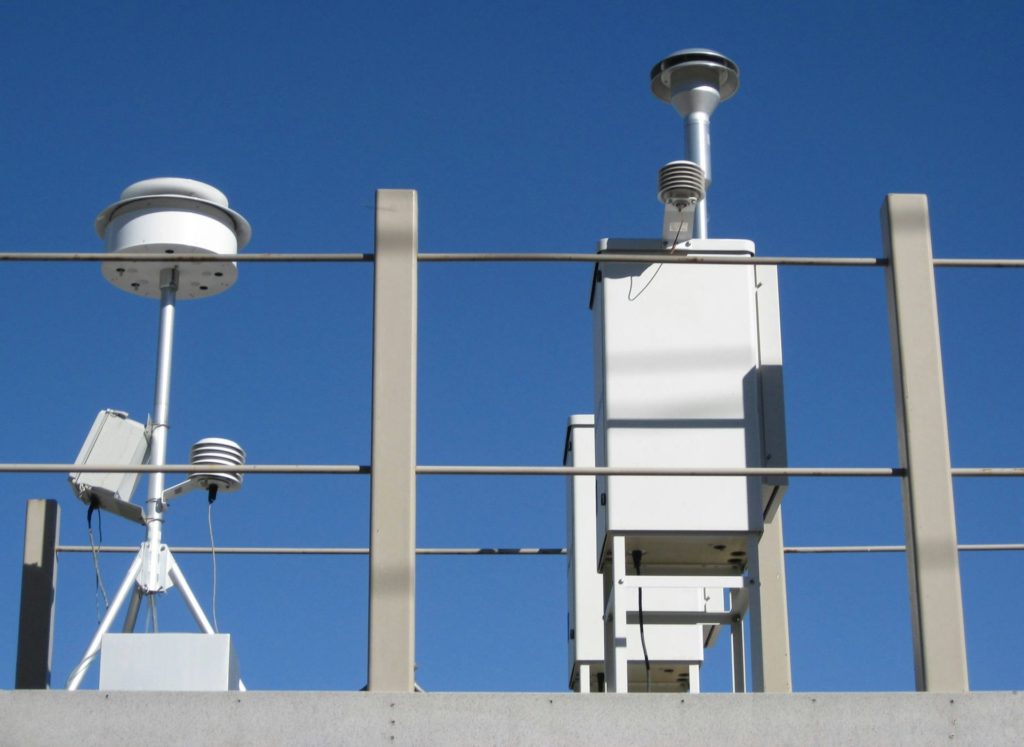
Research on individual chemicals has helped identify hazards and develop regulations. Typically, people face exposure to multiple chemicals simultaneously. Air, for instance, consists of particles, gases, and vapors. Indoor and outdoor air differs due to activities like cooking and cleaning, building materials, and ventilation. Air monitoring stations capture chemical pollutants. A photo depicts one such station in Reno, Nevada.
Food contains pesticide residues, evident from monitoring in Europe and the U.S., showing crops’ exposure to multiple pesticides. Household products further contribute. Researchers have found hormone-disrupting and asthma-related chemicals in consumer goods and are studying combinations for closer examination. Even drinking water, monitored and treated, carries trace contaminants like pharmaceuticals and industrial chemicals.
Challenges in Predicting Chemical Mixture Effects
Chemicals in mixtures often contribute predictable effects, known as additivity, helping estimate risk. Yet, combinations can produce larger or smaller effects than expected. Hormone-active chemicals, such as estrogen and thyroid hormone, illustrate this significance. Endocrine disruptors impact hormone production and recognition, with combined low exposures potentially affecting the hormonal system.
Phthalates in plastics and parabens in cosmetics are studied examples. Daily use exposes individuals repeatedly to these chemicals. One study observed reduced chemical presence in urine when switching to products labeled free of certain compounds.
Testing and Analyzing Chemical Mixtures
Numerous chemicals exist in commerce and the environment, encountering varying combinations based on lifestyle. Testing all combinations is impractical. Researchers investigate mixtures reflecting real-world exposures using laboratory testing and AI models to predict interactions and identify mixtures for further study.
An emerging approach, exposomics, measures chemical exposures over time related to health outcomes, and advances continue rapidly. However, simple answers remain elusive, leading some community actions regarding contaminated drinking water.
Practical Actions to Limit Exposure
Avoid discarding all household products or pursuing a chemical-free life, which is unfeasible. Instead, aim to minimize unnecessary and repeated exposures affordably and easily. Improve indoor air quality by enhancing ventilation during cooking and cleaning.
Consider product routines and reduce fragranced items usage, opting for fragrance-free alternatives instead. Evaluate local water quality reports for detected contaminants, and use certified water filters for removal if desired. Replace filter cartridges as instructed. Simple, informed strategies like these help limit exposure while ongoing research continues.
Leave a Reply