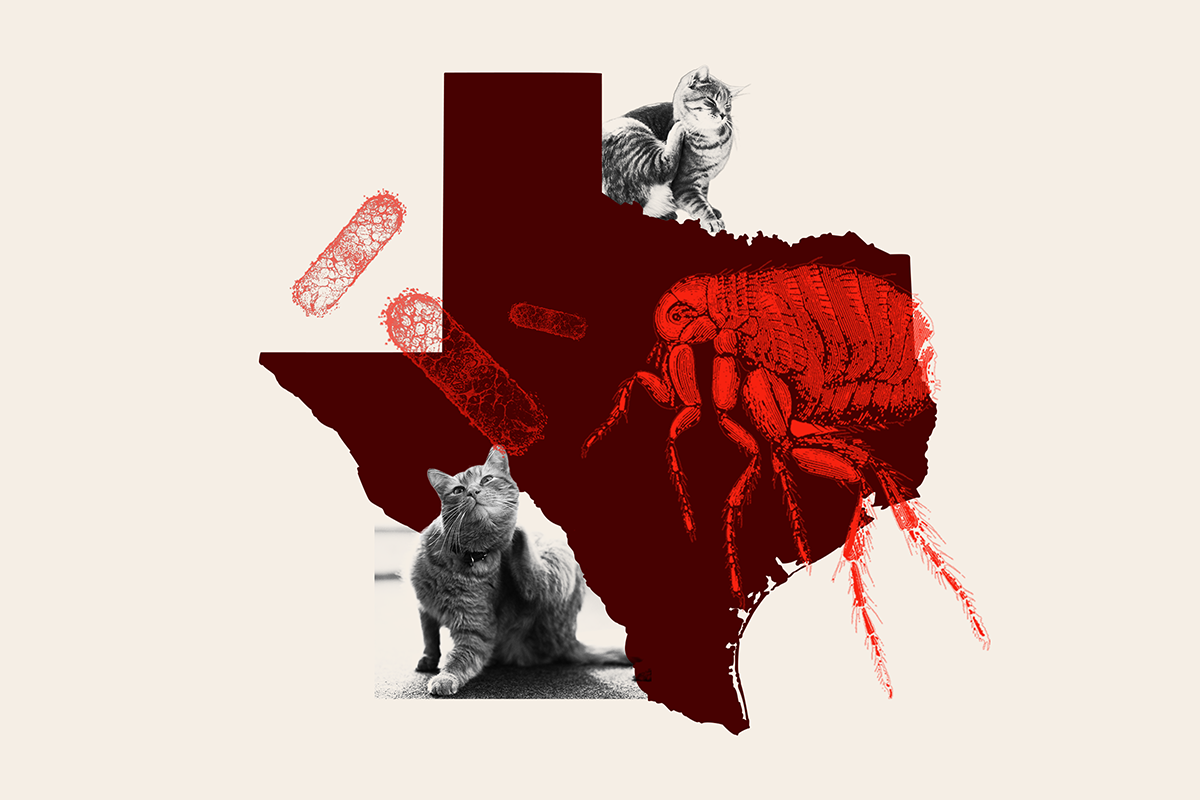
Murine typhus, a flea-borne disease, is experiencing a resurgence in parts of Texas and could infiltrate homes via domestic pets. Recent research highlights a direct link between fleas on cats and the bacterium responsible for this illness, once considered almost eradicated.
A Disease Making an Unwelcome Comeback
Flea-borne typhus is caused by Rickettsia typhi. Humans acquire it through flea bites or contact with flea feces on the skin or mucous membranes. Symptoms appear within 6-14 days, including fever, rash, headache, and joint pain. In serious cases, hospitalization is necessary. Between 2019 and 2023, two fatalities occurred in Texas due to complications.
Recent findings indicate that the disease is not spread from person to person but spread by fleas primarily from rodents. House cats, along with their fleas, have become vectors bringing the bacteria into human residences.
Texas A&M conducted a study detecting DNA of R. typhi in fleas on cats. Among 167 sampled cats in the Rio Grande Valley, six had fleas positive for the bacterium. While this represents a small proportion, the area has witnessed over 6,700 reported cases since 2008. This study provided new, direct data on the presence of the bacterium in local flea populations.
Health Implications and Recommendations
Researchers stress the importance of a “One Health” approach, which views animal and human health as interconnected. Though cats infrequently become critically ill, they can still transport infected fleas. Using veterinary treatments to manage flea populations on pets protects household members.
A spokesperson for the San Antonio Metropolitan Health District noted that flea-borne typhus rates have surpassed pre-pandemic levels. Precautions include insect repellents, flea treatments for pets, and controlling rodent populations to prevent flea migration.
The Impact in Galveston
The University of Texas reported substantial consequences of the disease in Galveston. Their study reviewed cases from 2019 to 2023, identifying 149 adults with murine typhus. Nearly 80% required hospital care, with 33 in intensive care. Two fatalities were linked to severe immune response complications. Older age, obesity, diabetes, and chronic kidney disease were common among those hospitalized.
Serious outcomes like kidney failure and respiratory issues are documented. The Galveston study revealed a significant increase in past R. typhi infection rates from 1.2% in 2013 to 7.8% in 2021, indicating more widespread exposure.
Dr. Sarah Hamer suggests factors like rising stray cat populations, inadequate flea control due to socioeconomic barriers, and climate change as contributors to this public health issue.
Murine typhus was once controlled in the U.S., but its return, driven by fleas on cats, signifies an ongoing challenge. This issue is particularly noticeable in South Texas regions.
Leave a Reply