Halimah Delaine Prado, Google General Counsel, discusses the growing threat of AI-driven phishing scams, particularly from China’s ‘outsider enterprise.’ These criminals leverage artificial intelligence to craft fake websites that mimic trusted brands like T-Mobile. This type of scam has defrauded hundreds of thousands of Americans, leading to significant financial losses.
Google is implementing strategies to combat these sophisticated threats. This article also explores real estate fraud, a risk for home sellers. Selling your home can be both stressful and vulnerable, especially during retirement. Cash on hand or a well-funded bank account can attract scams, theft, and identity fraud.
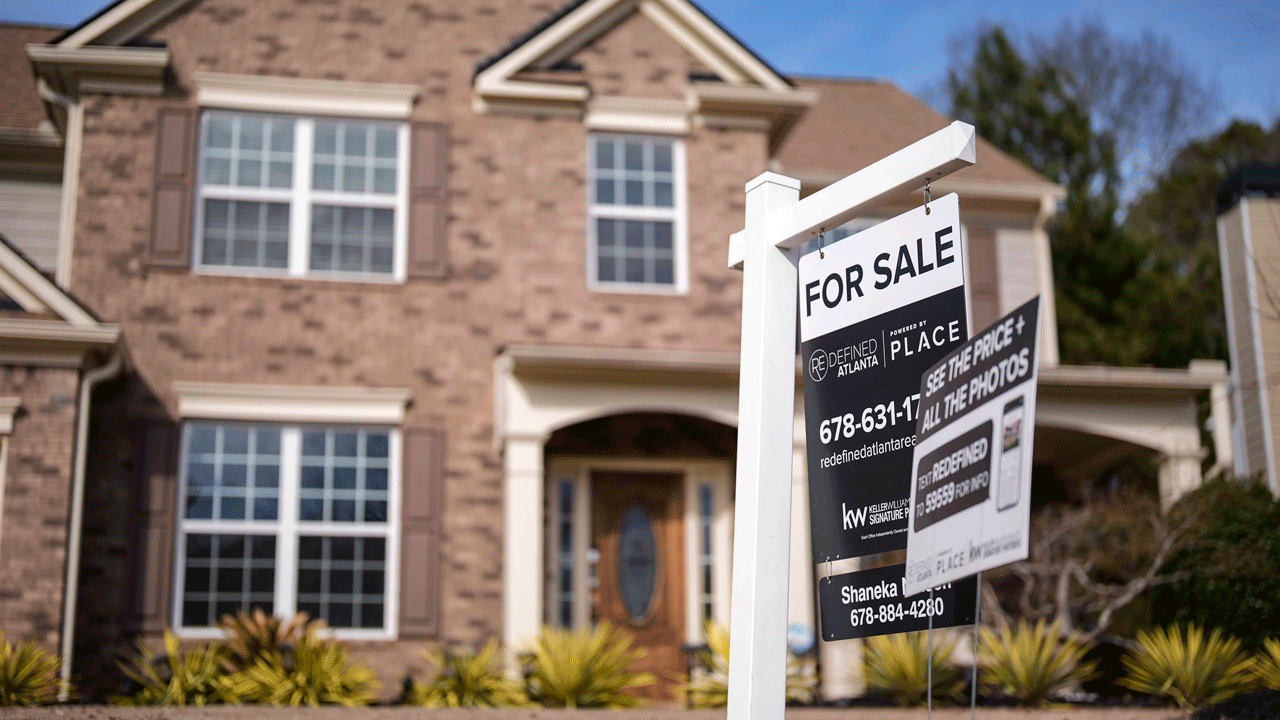
Despite these risks, there are ways to protect your assets. Understanding what information becomes exposed during a property sale is crucial. Once a deed or property transfer is recorded, it becomes public record in many areas, potentially revealing your name, address, property history, and sale price. Scammers exploit this data to target individuals during major life changes, using updated contact details and public records to their advantage.
“Someone who has just sold a home may have cash on hand or a well-funded bank account. That can make sellers prime targets for fraud, theft, and identity scams.”
The sale process can expose even more information, including floor plans, interior and exterior photos, and personal data collected by brokers. This information reaches scammers via data brokers who sell it to real estate investors, marketing companies, and others:
- Floor plans showing a home’s layout
- Interior photos revealing security systems and valuables
- Exterior views from listings or maps
- Personal data collected before the sale
Data brokers collect, match, and sell this information, often resulting in scams such as real estate wire fraud. Always confirm wiring instructions with title companies using known contact information, not details from unexpected communications.
Limiting Your Risk
You can reduce risk by controlling public records and online data. Actions include:
- Blurring property views on Google Maps and Apple Maps
- Contacting local government to redact records if possible
- Signing up for deed recording alerts
- Removing identifying photos from listings
Handling Data Online
To manage your information online, search and submit removal requests to people-search sites. Focus on brokers who specialize in property records. Alternatively, consider a data removal service to manage removals on your behalf. These services cover numerous brokers and keep re-submitting removal requests, reducing the likelihood of your information reappearing.
Conduct a free exposure scan to check if your information is available online. Visit Cyberguy.com for a free assessment.
Kurt’s key takeaways:
Selling a home shouldn’t feel risky. However, public records can expose personal details, making people vulnerable to scams. You can ask to blur your home on maps, remove risky photos, register for alerts, and request data removals. A data removal service will help keep information secure. Proactively manage your data to protect privacy and reduce scam risks.
Have you faced privacy issues after a home sale? Share your experience at Cyberguy.com.
Leave a Reply