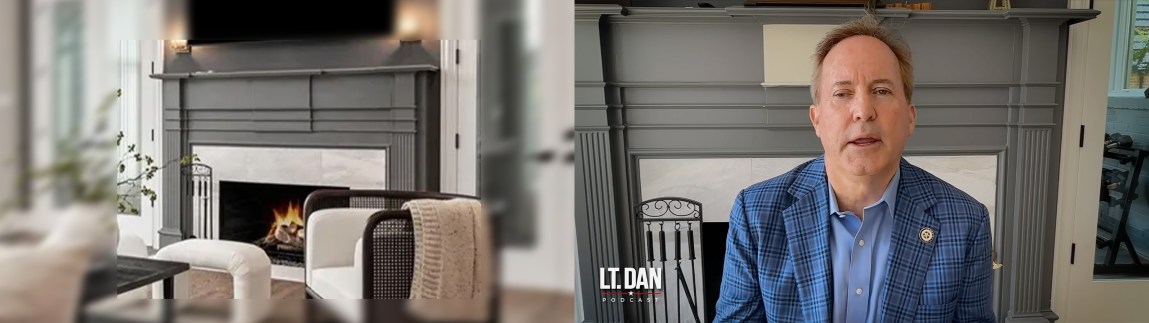
Two weeks before the primary elections, Texas Attorney General Ken Paxton revealed a tip line for reporting suspected voter fraud. He stated, “Free and fair elections are a cornerstone of a thriving republic,” indicating his commitment to combating illegal voting.
The guidance from his office highlighted several key election laws in Texas. It stressed the need for U.S. citizenship, banned collecting mail ballots for others, and warned against misrepresenting residence for electoral influence. Despite these warnings, records suggest Paxton might have used a non-residential address to vote in recent elections.
ProPublica and The Texas Tribune reports indicate Paxton voted in six elections from an address where he didn’t reside. His voter registration lists a Collin County home, but it appears he moved out of this residence more than a year ago. Angela Paxton, his wife, filed for divorce, citing adultery. Paxton allegedly relocated to a Denton County home.
Three election attorneys consulted by the news organizations suggest Paxton’s voting practices might violate Texas laws. The reports prompt concerns given Paxton’s position enforcing these laws. Despite requests, Paxton’s office did not respond to journalists’ inquiries until recently, dismissing accusations as “baseless.”
Voting when ineligible is a severe offense in Texas, carrying significant penalties. However, proving residency-related crimes is complex. State laws require the consideration of where a voter sleeps or keeps possessions as defining residence. A voter may remain registered if their absence is temporary and they intend to return. This is common for students and military members.
Election lawyer Beth Stevens explained intentions play a crucial role. If actions suggest a permanent move, it challenges temporary absence claims. David Becker, a former DOJ voting rights attorney, believes Paxton’s situation poses issues. “The chief law enforcement officer should understand residency laws,” he said.
“I think there would be questions raised about a residence where someone does not live, does not spend the night and can in no way have the intent to continue to reside. Those would probably raise red flags in any state,” Becker said.
Paxton actively promotes strict law enforcement, evident from his 2018 actions against voters in Edinburg, although charges there were eventually dropped. Attorney Clark Birdsall, familiar with such cases, finds Paxton’s situation surprising and “especially egregious.”
Despite privacy laws allowing politicians to shield voter data, Paxton does not hide his information. His opponent, Democratic State Rep. James Talarico, keeps his registration private. Talarico’s campaign contends he lives in and is registered at his Austin home. Paxton’s campaign, meanwhile, labeled the reporting on his voter registration as false.
The ongoing scrutiny of Paxton includes details about a Denton County home linked to him. ProPublica and The Texas Tribune discovered its purchase via a trust. The home appears associated with Paxton, showing signs of residency. Daily Mail reports suggest Paxton moved there with Tracy Duhon, adding to personal controversies.
Paxton’s voting behavior raises legal and ethical questions. He remains registered in Collin County, despite connections to Denton County, and participated in two elections recently. Election law expert Ekow Yankah notes Paxton’s case illustrates how minor legal issues often lack “nefarious intent,” yet Paxton’s role demands adherence to the law. It’s vital for public trust that officials comply with the statutory requirements they enforce, emphasizes Joshua Blank from the Texas Politics Project.
Leave a Reply