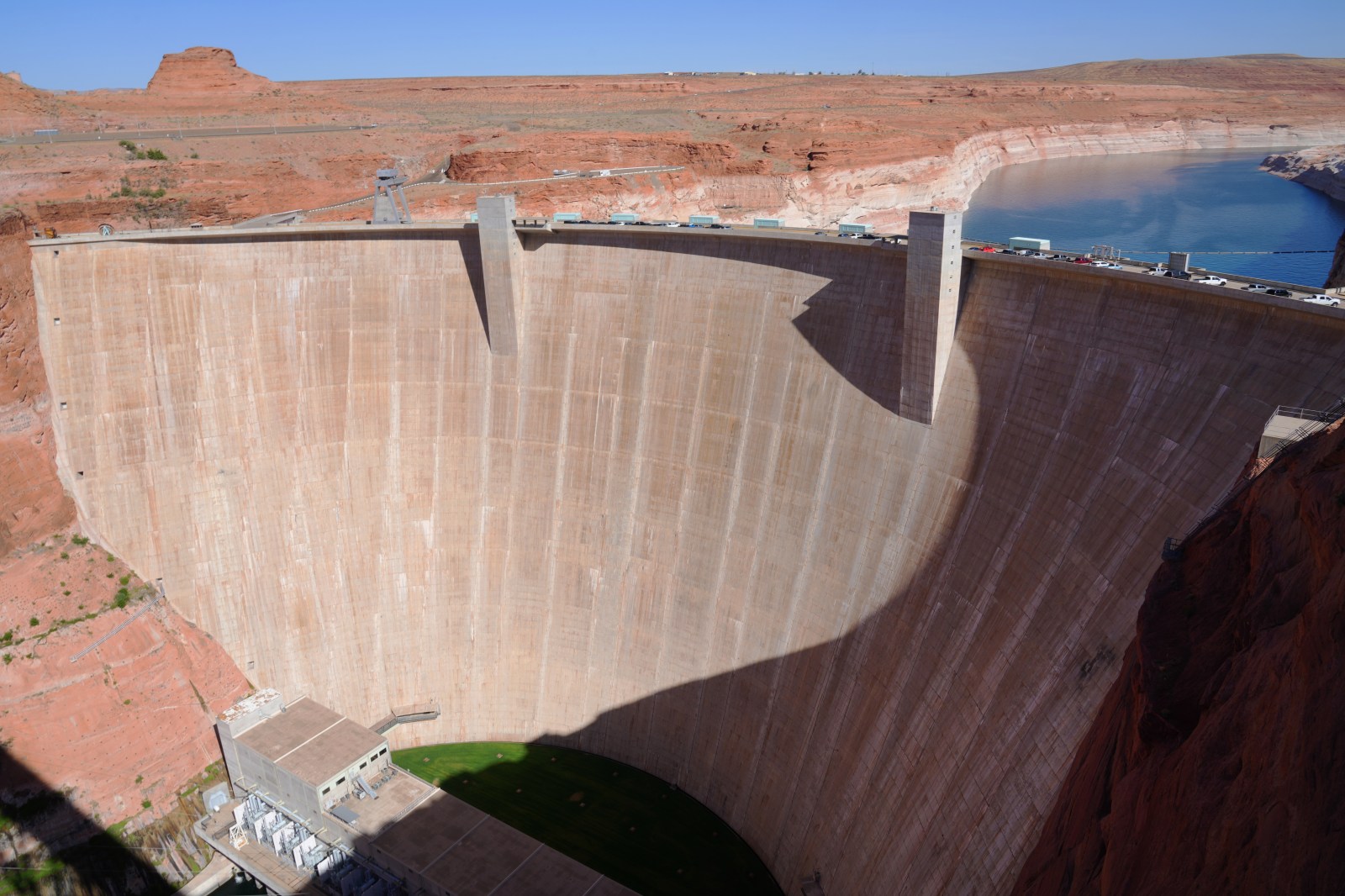
The ongoing effort to maintain adequate water levels at Lake Powell has led to a bold proposal from a Colorado River advocate. The suggestion involves transferring the reservoir’s water downstream to Lake Mead, effectively changing Lake Powell’s status as a primary storage reservoir.
Lake Powell, the second-largest reservoir in the United States, is situated along the Colorado River alongside Lake Mead, the largest reservoir in the nation. These reservoirs serve around 40 million people in the West and irrigate over 5 million acres of farmland.
Proposal for Change
Zanna Stutts, program director at the Glen Canyon Institute, questioned the current utility of the Glen Canyon Dam. She argues that it no longer fulfills its original purpose. Federal water managers took emergency measures earlier in the year to stabilize Lake Powell, which included redirecting water from Flaming Gorge reservoir and cutting releases to Lake Mead. Stutts views these actions as temporary, emphasizing the need for long-term strategies.
Stutts highlights the diminishing flows of the Colorado River, which have decreased by about 20% since 2000, significantly less than what engineers expected when the dam was planned. She points out that Glen Canyon Dam lacks a low-level outlet, making approximately 6 million acre-feet of water unreleasable below certain levels.
Alternatives and Suggestions
Lake Mead and Lake Powell, both being around a quarter full, raise questions about current water management. Stutts proposes transferring Lake Powell’s water to Lake Mead, involving bypass tunnels around Glen Canyon Dam. This would create a free-flowing Colorado River in the area, with Lake Powell serving as emergency storage if needed.
Additionally, while this move would eliminate hydropower from the dam, Stutts notes that declining water levels are already jeopardizing its electricity production.
Long-Term Strategy Considerations
The Glen Canyon Institute suggests the “Fill Mead First” strategy, consolidating water storage primarily in Lake Mead. This gradual process involves stages that lower Lake Powell toward power pool levels and further down, constructing tunnels to allow river flow through Glen Canyon. Lake Powell would still act as a backup reservoir during wetter periods.
As of early July, Lake Powell stood at 23% full, holding 35% of its usual storage for the date. Meanwhile, NOAA’s seasonal outlook anticipates a warmer than usual summer in the headwater regions supplying both reservoirs, with normal to above-normal precipitation, despite ongoing drought conditions.
Leave a Reply