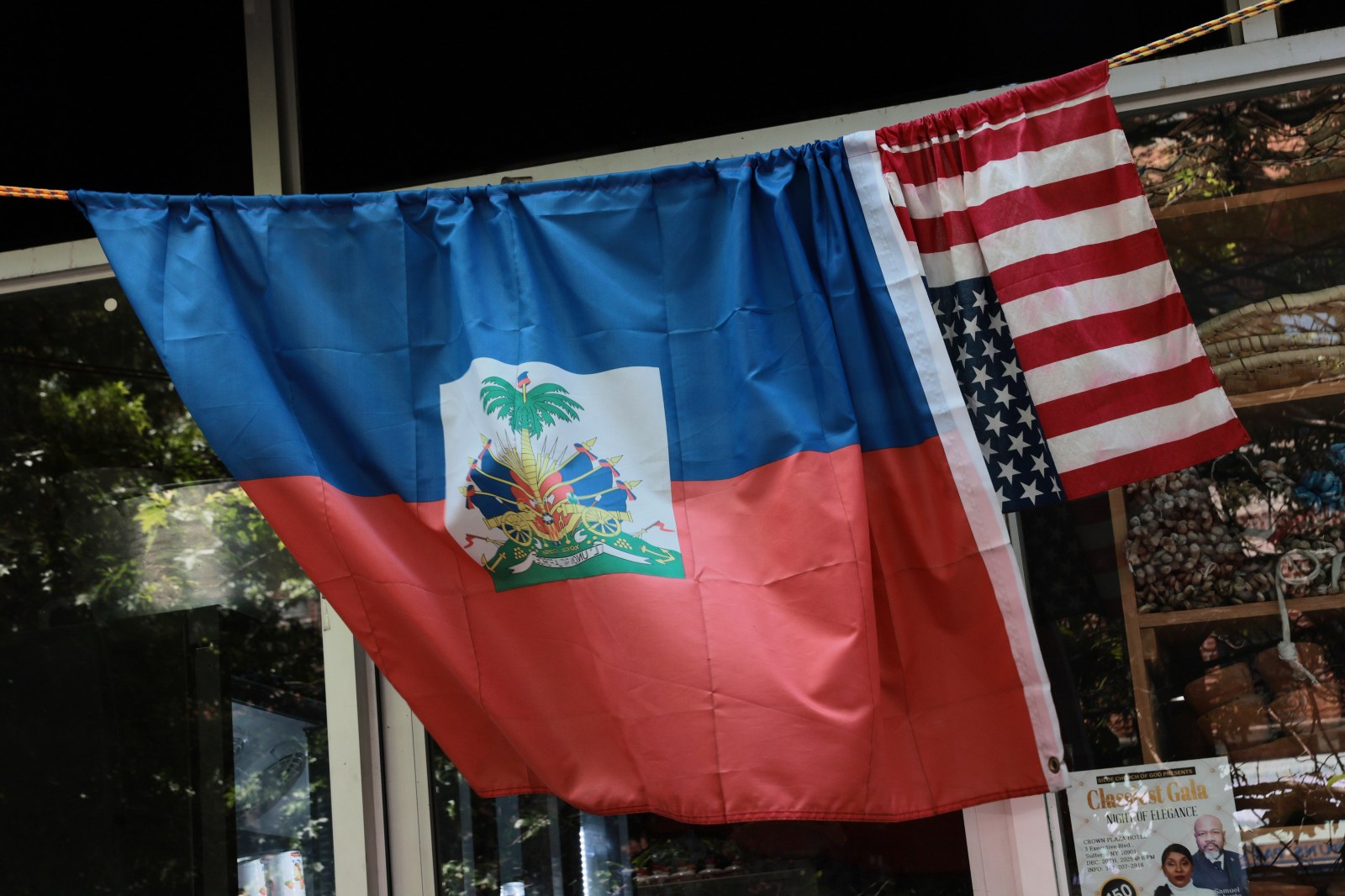
Thousands of immigrants with expiring Temporary Protected Status (TPS) face potential return to countries still grappling with unrest and environmental issues, despite claims from the Trump administration.
A U.S. Supreme Court decision has direct implications for TPS holders from Haiti and Syria. However, immigration advocates and policy analysts warn that it might affect TPS holders from other countries like Venezuela, Afghanistan, Honduras, and Myanmar as well.
The administration has sought to end TPS for several countries, arguing that TPS was meant to be temporary and conditions have improved enough for return. Critics counter that many affected nations still struggle with major humanitarian, economic, and security challenges.
“The Supreme Court has cleared the way for the largest de-documentation campaign in American history,” said Hussein E. Elbakri from the International Refugee Assistance Project. He noted that more than a million people who have lived, worked, and raised families in the U.S. for years could lose legal status.
These individuals include vital workers like doctors and nurses and face the threat of returning to dangerous countries.
Supreme Court’s Decision
On June 25, a 6-3 Supreme Court ruling allowed for the termination of TPS protections for around 350,000 Haitians and several thousand Syrians. The ruling restricts courts’ ability to review TPS designation decisions by the Department of Homeland Security (DHS).
Justice Elena Kagan warned of the dangers of removing protections before legal challenges are resolved. The decision sets a precedent that could affect over a million TPS beneficiaries as the Trump administration has terminated protections for multiple countries.
Adam Klein, a former senior DHS official, explained that ending TPS also ends employment authorization, affecting the ability to work and live in U.S. communities.
Venezuela and Economic Reality
Venezuelan TPS holders in the U.S. expressed fear and uncertainty about losing protections. The administration claims that conditions have improved, but Venezuelan immigrants argue that economic and political instability persists.
Venezuela experiences ongoing uncertainty, exacerbated by natural disasters and political developments. While some work permits remain, the future is uncertain for Venezuelans in the U.S.
Challenges in Syria and Haiti
The International Rescue Committee reported that many Syrians returning face severe shortages of essential services. Despite some political changes, nearly nine in ten returnees found inadequate living conditions.
In Haiti, around 350,000 Haitians face ending TPS amid continued instability. Advocacy groups argue that the nation remains too dangerous for large-scale returns.
Haiti struggles with gang violence, political turmoil, and humanitarian hardships. The country is under a ‘Do Not Travel’ warning from the U.S. State Department.
Afghanistan and Myanmar: Different Concerns
TPS terminations in Afghanistan and Myanmar raise concerns about security and human rights rather than economic conditions. Returnees from these countries face risks of persecution and political instability.
Advocates argue that ongoing conflict and humanitarian challenges in these countries remain pressing issues.
Future of TPS
The Supreme Court ruling enhances the DHS secretary’s authority to end TPS protections. As debates continue, the experiences of affected immigrants highlight the complexities post-TPS expiration.
Nayna Gupta of the American Immigration Council called for legal pathways for long-term residents whose TPS statuses are at risk, citing their contributions to U.S. communities.
Klein emphasized the temporary nature of TPS but stressed the need for careful decision-making based on available evidence and interagency collaboration.
Leave a Reply