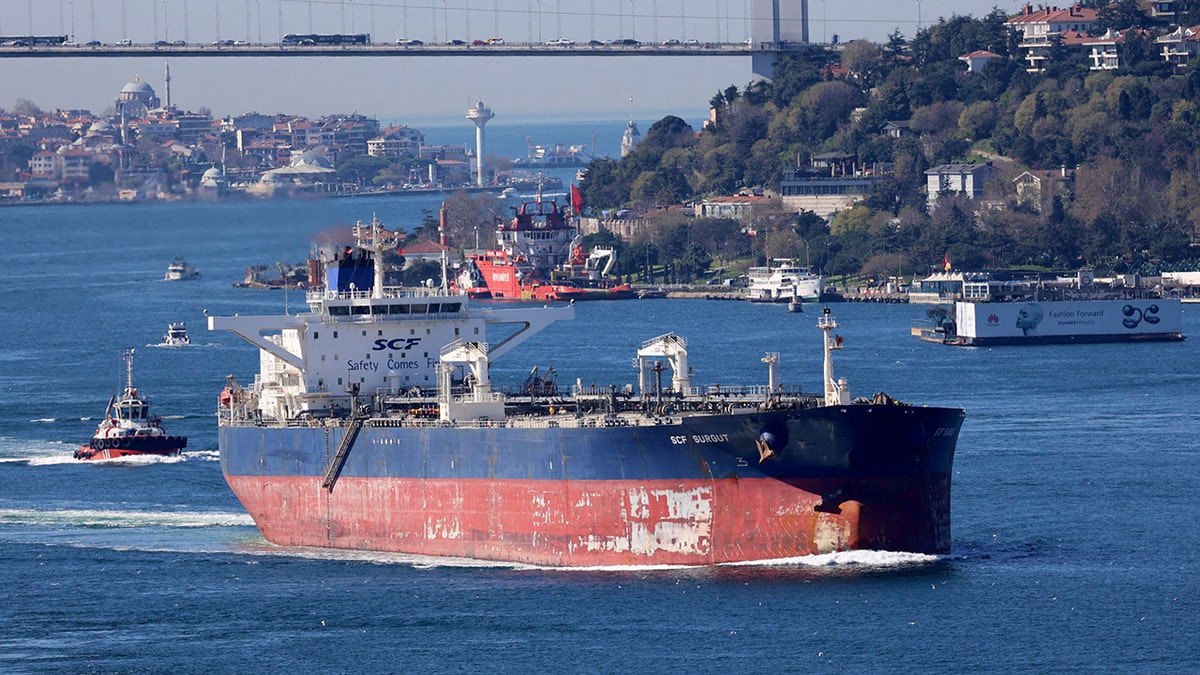
As NATO allies enhance defense spending, arm Ukraine, and impose sanctions to weaken the Kremlin, the European Union still depends on Russian liquefied natural gas (LNG). This dependence provides Russia with revenue during its war in Ukraine.
A recent analysis of commercial shipping data reveals that European countries spent billions in the first half of 2026 on Arctic LNG purchases. Environmental watchdog Urgewald, utilizing Kpler shipping data, reported that out of 140 cargoes exported from Russia’s Yamal LNG project from January to June, 136 were delivered to European Union ports. China, a major market for the project, received only four cargoes during this period, highlighting the European focus.
“The shipments were valued at approximately €5.96 billion, or around $6.8 billion, based on European natural gas prices,” the group estimated.
The figures uncover a contradiction for Europe four years into Russia’s Ukraine invasion. Despite pledges to end dependence on Russian fossil fuels, significant payments for Russian LNG continue. Even with sanctions and a commitment to phase out Russian gas, Europe was the leading destination for exports from Moscow’s Arctic LNG project in the first half of 2026.
According to the analysis, French ports received 51 cargoes from Yamal, followed by Belgium with 37 and Spain with 34, within the first six months. The figures reflect deliveries to ports, not the purchasing companies’ nationality or the LNG’s final destination within Europe, as noted by a spokesperson from France’s embassy in Washington.
NATO allies have promised to increase defense spending to 5% of GDP in response to Russia’s invasion, emphasizing the challenge of boosting Europe’s military deterrence while energy revenues continue to flow to Moscow.
The European Union has legislated a gradual phase-out of Russian gas imports. A ban on Russian LNG under long-term contracts takes effect on January 1, 2027, followed by a ban on Russian pipeline gas under long-term contracts on September 30, 2027. Though pipeline gas imports from Russia have declined since 2022, Russian LNG remains vital for several European countries.
U.S. President Donald Trump criticized Europe for its Russian fuel dependency. “Europe has spent more on Russian oil and gas than on defending Ukraine,” he stated in a March 2025 address to Congress.
European Commission spokesperson Anna-Kaisa Itkonen explained that the rise in imports likely represents “frontloaded deliveries and contractual adjustments ahead of stricter restrictions,” noting that the ban started in March and most imports are under long-term contracts ending in 2027. The commission cited the Strait of Hormuz’s closure as a reason for maximizing alternative LNG supplies, noting that restrictions on Russian LNG transshipment likely resulted in more cargoes staying in the EU market.
The White House stated, “As a result of President Trump’s energy dominance agenda, the United States is the largest producer and exporter of oil and natural gas, supplying Europe.” Belgium’s Ministry of Foreign Affairs supported the EU’s phase-out agreement and expressed active efforts toward this goal.
Russia’s invasion of Ukraine in 2022 highlighted its use of energy as a geopolitical tool. Moscow reduced or halted gas supplies to Poland, Bulgaria, Finland, and Germany. The European Commission accused the Kremlin of “weaponizing” Europe’s energy supply, cutting them through multiple routes like the Nord Stream 1 pipeline.
Disruptions accelerated the EU’s move to end reliance on Russian fossil fuels, aiming to cut Moscow’s export revenue. In 2022, European Parliament members asked the European Commission to examine allegations that Russian-backed organizations influenced EU energy discussions, with no public finding confirming this influence broadly shaped energy policies.
The data illustrate strategic challenges in overcoming decades of dependency on Russian energy while maintaining stable supplies for European consumers. LNG purchases provide Russia with significant export revenue as the U.S. and allies strive to restrict Moscow’s energy earnings to limit its war efforts in Ukraine.
In June, EU foreign ministers approved further sanctions targeting Russia’s military-industrial sector and curbing energy revenues by tightening controls on its shadow fleet and export networks.
Spain, a large Russian LNG importer, is central in the phase-out debate. The Port of Bilbao’s head urged delay of the 2027 ban in a Financial Times article, warning of excessive U.S. gas dependence. However, Spain’s energy minister denied this, asserting the rise in LNG imports was temporary and supporting the 2027 phase-out.
President Trump recently criticized Spain for not meeting NATO’s defense spending target, calling it a “wasted cause,” and threatening trade cuts. The clash followed disputes over Spain’s stance on U.S. military actions against Iran.
Bipartisan senators and the Trump administration reached an agreement on legislation authorizing secondary sanctions against countries purchasing Russian energy. This proposes to increase pressure on Moscow by targeting foreign buyers of Russian oil and gas.
Leading senators remarked, “As Russia intensifies its civilian targeting, it is imperative for legislative and executive branches to collaborate and implement measures exacting a toll on those buying Russian oil and gas, sustaining Putin’s war machine.”
Leave a Reply