Businesses are grappling with the consequences of increasing geopolitical risks, as seen with the war in Iran. These risks are driving up costs across various sectors, affecting everything from food to electronics.
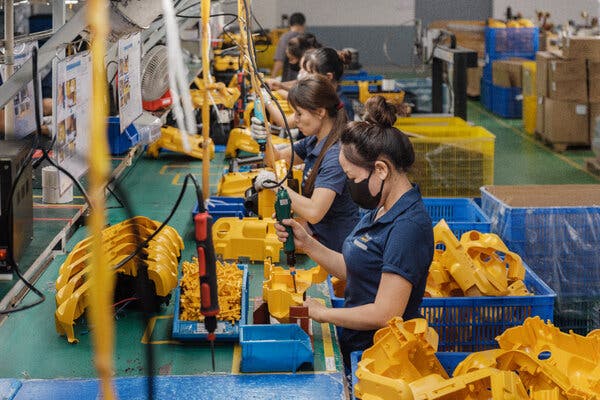
Supply chain disruptions are a significant factor raising expenses and affecting manufacturing in regions like Southeast Asia. This situation adds to the challenge for business leaders worldwide, who must navigate a more hazardous and unpredictable environment.
The Iran conflict highlights an important point for CEOs and business owners: they are now operating in a world with greater risk and higher costs. Even if hostilities cease, the cost implications persist, making higher prices a likely long-term outcome.
Kevin O’Marah, chief research officer at Zero100, emphasizes the need for businesses to explore options. Executives across various sectors, from pharmaceuticals to electronics, are recognizing the necessity to adapt. This involves securing alternate manufacturers, stockpiling goods against unexpected disruptions, and developing new supply chains.
“Flexibility is additional plant capacity, it’s additional pockets of inventory, it’s alternate routes,” O’Marah explained. “But that flexibility costs money. And that’s inherently inflationary.”
The International Monetary Fund has projected a fresh wave of global inflation. It forecasts an increase to 4.7 percent in 2026, up from 4.1 percent in 2025, driven by higher costs for essentials like energy, metals, fertilizer, and food.
Leave a Reply