The United States is enacting 25% tariffs on imports from Brazil, citing a variety of unfair trade practices by Brazil, the world’s tenth-largest economy. These tariffs will be in effect starting July 22, as per senior officials of the Trump administration who spoke under anonymity ahead of the formal announcement planned for Wednesday night.
Certain products are exempt from this tariff. Goods not manufactured in the U.S. or items essential for supply chains are excluded. Exempted goods include coffee, beef, oranges and orange juice, various oil and gas energy products, and aerospace parts.
According to U.S. Trade Representative Jamieson Greer, Brazil has hindered U.S. access to its market, which houses over 210 million consumers, through actions such as punishing U.S. technology companies for non-censorship of political speech, inadequate anti-corruption efforts, and exploitation of illegally logged land by Brazilian farmers at the expense of American ones.
Senior administration officials noted that the strategy was to target tariffs on goods not easily reproduced in the U.S. and those which would not disrupt the economy. The Office of the U.S. Trade Representative found Brazil guilty of unfair practices including inadequate anti-corruption enforcement and its own unjust tariffs following a yearlong investigation. Despite this, the U.S. has enjoyed a goods trade surplus with Brazil for years.
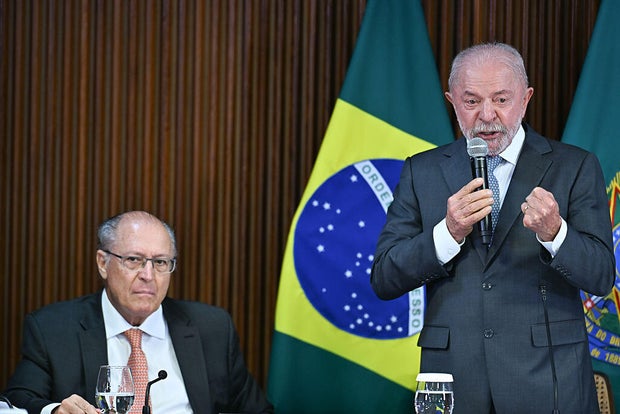
Brazilian President Luiz Inácio Lula da Silva expressed displeasure when the tariffs were proposed in early June. Lula blamed political considerations and accused his electoral rival, Senator Flávio Bolsonaro, who recently visited Washington, of influencing the decision. Bolsonaro is the son of former President Jair Bolsonaro, an ally of Trump. However, senior officials from the Trump administration rejected the notion that politics influenced the decision, citing long-standing public grievances in the trade relationship. They mentioned that while Brazil was given time to address these issues, only limited progress was achieved.
Section 301 of the Trade Act of 1974 is the basis for imposing these tariffs, an action allowing the U.S. to investigate Brazil’s trade practices. In February, the U.S. Supreme Court invalidated many of Trump’s tariffs under a separate law, the International Emergency Economic Powers Act of 1977, ruling he exceeded his authority by imposing extensive tariffs on U.S. trading partners, including Brazil.
Previously, Trump had used this law to levy a 50% tariff in protest at Brazil’s prosecution of Jair Bolsonaro after his loss in the 2022 election. Despite this, Trump’s relations with Lula seemed to thaw in May during Lula’s visit to the White House. Additionally, in November 2025, the U.S. had lifted 40% tariffs on Brazilian beef, coffee, and other goods, citing progress in trade negotiations with Brazil.

Leave a Reply