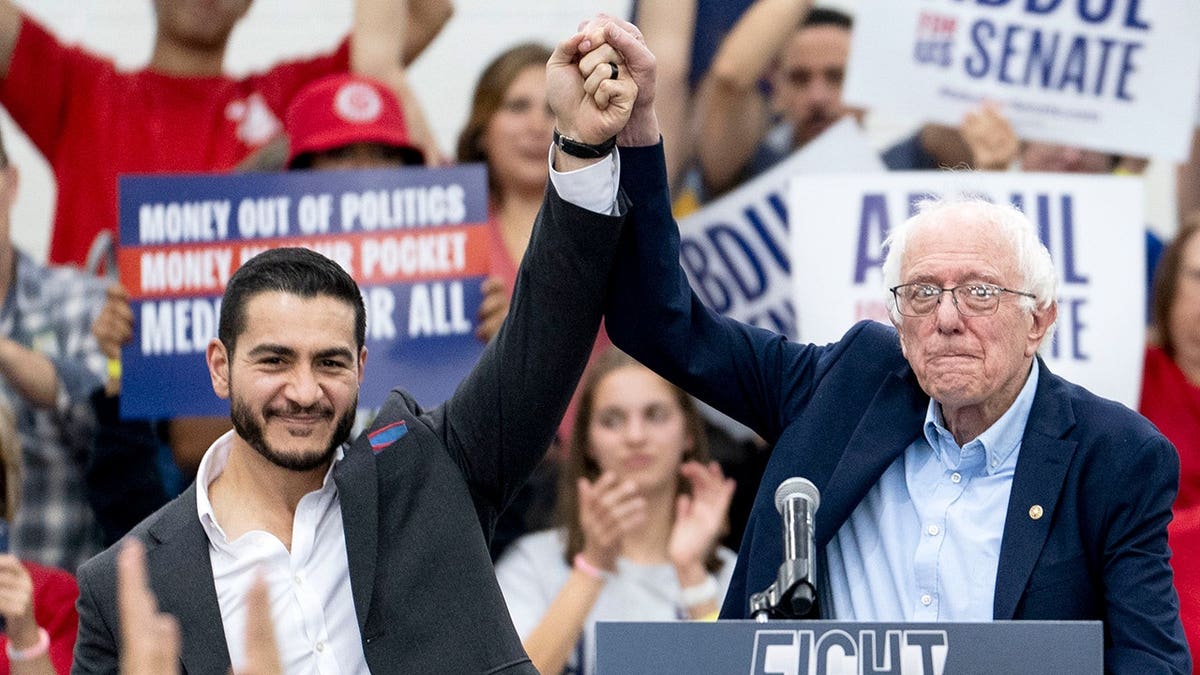
Michigan Democratic Senate Primary: A Battle of Ideologies
The Democratic Senate primary in Michigan has underscored a significant ideological divide within the party. The contest features moderate Rep. Haley Stevens against progressive Abdul El-Sayed. Polls show voter demographics are split, with Stevens leading among Black voters and El-Sayed favored by White and college-educated voters.
High-Profile Support for El-Sayed
Sen. Bernie Sanders and Rep. Alexandria Ocasio-Cortez are set to campaign for El-Sayed in Michigan. They will join him at three campaign stops, supporting his bid for the Democratic nomination. Stevens, on the other hand, has backing from established figures like Senate Democratic Leader Chuck Schumer.
Michigan: A Political Battleground
Michigan has become a focal point in the struggle between progressive and moderate wings of the Democratic Party. Recent victories by progressive candidates in New York City and Colorado have drawn attention to this dynamic. Veteran Democratic strategist Joe Caiazzo highlights the crucial nature of this seat, as Democrats aim to retain control in November.
El-Sayed’s Controversial Stance
El-Sayed, a former Wayne County Health Department director, supports policies like Medicare-for-all and the abolition of Immigration and Customs Enforcement (ICE). He has criticized Israel’s military actions, describing them as “genocide” against Palestinians. His refusal to accept PAC donations contrasts with the established support for Stevens.
Stevens’ Electability
Stevens is favored by the Democratic establishment, who see her as more electable, especially in a state narrowly won by former President Trump. Her campaign has gained momentum with endorsements from figures like retiring Sen. Gary Peters, who recently announced his support.
Financial Stakes and Campaign Spending
Significant financial resources have been invested in this primary. United Democracy Project, a committee linked to AIPAC, has spent nearly $15 million supporting Stevens and opposing El-Sayed. Sanders argues this spending undermines democracy, urging support for El-Sayed.
Implications for the Democratic Party
An El-Sayed victory would signal a shift for the far left. Matt Bennett of Third Way cautions against overinterpreting Michigan’s results. He notes Michigan’s unique factors, such as its large Arab American population and strong sentiments on Israel.
As the primary unfolds, leaders emphasize the importance of viewing this election as one amid diverse political contexts. The outcome could influence the party’s future ideological direction, making this race critical for both wings of the Democratic Party.
Leave a Reply