Homeownership is becoming increasingly difficult for many Americans, with high home prices and persistent mortgage rates as significant barriers. Adding to the challenge are rising insurance premiums, particularly in disaster-prone areas.
Impact on Homeowners
In states like Nebraska and Oklahoma, insurance costs almost account for one-fifth of monthly housing expenses. This proportion surpasses even mortgage and property tax expenses, according to LendingTree’s study.
A national view shows that insurance costs comprise over 10 percent of housing expenses in 20 states. This escalates the housing affordability issues amidst rising home prices, high borrowing costs, and uneven housing inventories.
Housing Market Challenges
Since 2020, the U.S. housing market has seen prices surge by 54 percent, following a nationwide buying frenzy spurred by low mortgage rates. The Federal Reserve’s efforts to curb inflation pushed mortgage rates up to 6 to 7 percent, making homeownership increasingly costly.
Property taxes climbed more than 30 percent from 2019 to 2025, and in regions like Florida, HOA fees spiked due to new safety regulations.
The Role of Insurance Premiums
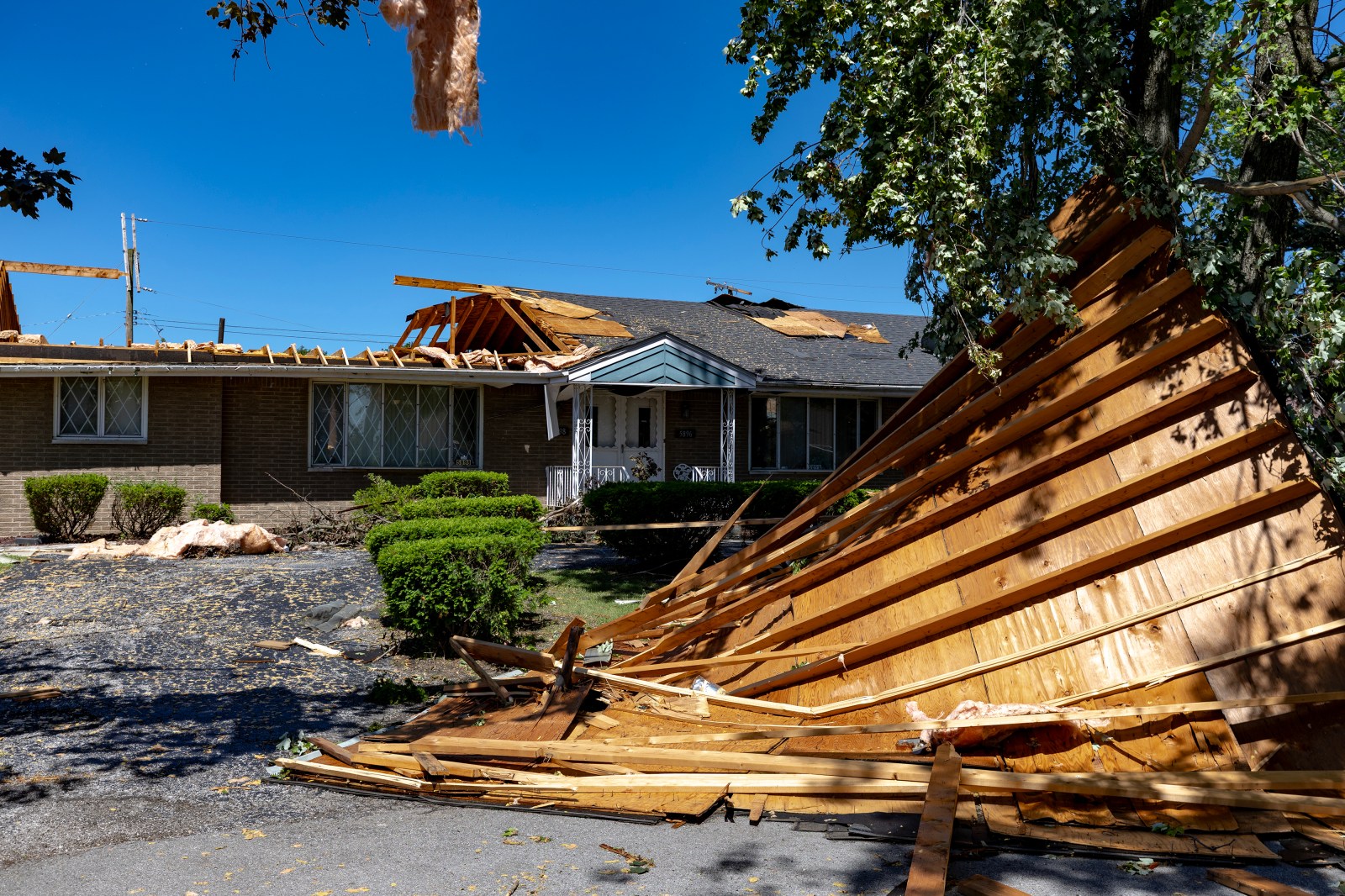
Insurance premiums have steadily climbed, driven by more frequent and severe weather events that increase risks for insurers. In states like Florida and California, factors like fraud and strict regulations further complicate the insurance landscape.
Despite state interventions, premiums continue to rise. Between 2019 and 2025, the average monthly insurance premium in the U.S. rose by 72 percent, according to JCHS.
Where Insurance Costs Are Highest
Nationally, insurance constitutes 8.5 percent of monthly housing costs for homeowners with mortgages. This figure is based on a monthly mortgage of $1,843 and property taxes of $300.
In states with high weather risks, home insurance accounts for nearly one in every five housing dollars. Leading states with high insurance costs include Nebraska, Oklahoma, and Texas, due to severe wind and hail events, alongside threats from hurricanes and wildfires.
- Nebraska: 19.4 percent ($413/month)
- Oklahoma: 17.6 percent ($278/month)
- Texas: 14.4 percent ($331/month)
States with Lower Insurance Costs
Some states have notably lower insurance expenses relative to housing costs. Hawaii, Vermont, and D.C. have the lowest percentages.
- Hawaii: 2.1 percent ($95/month)
- Vermont: 3.2 percent ($77/month)
- D.C.: 3.5 percent ($145/month)
Future of Home Insurance Premiums
By 2026, monthly premiums are anticipated to reach an average of $3,057, marking the fifth consecutive year of rises, according to Insurify.
Increasing premiums could significantly impact U.S. homeownership, potentially leading to underinsured communities in high-risk areas, especially homeowners without mortgages.
The Chicago Fed’s data from 2007 to 2017 shows 6 percent of homeowners lacked insurance. Factors such as race, education, income, and home value correlate with insurance coverage disparities.
The Urban Institute finds lower-income groups and hazard-prone communities particularly affected by rising insurance burdens.
Yet, recent data offer some hope: after double-digit rises in 2023 and 2024, 2025 saw rates grow by only 6 percent, providing small relief amidst the challenges.
Leave a Reply