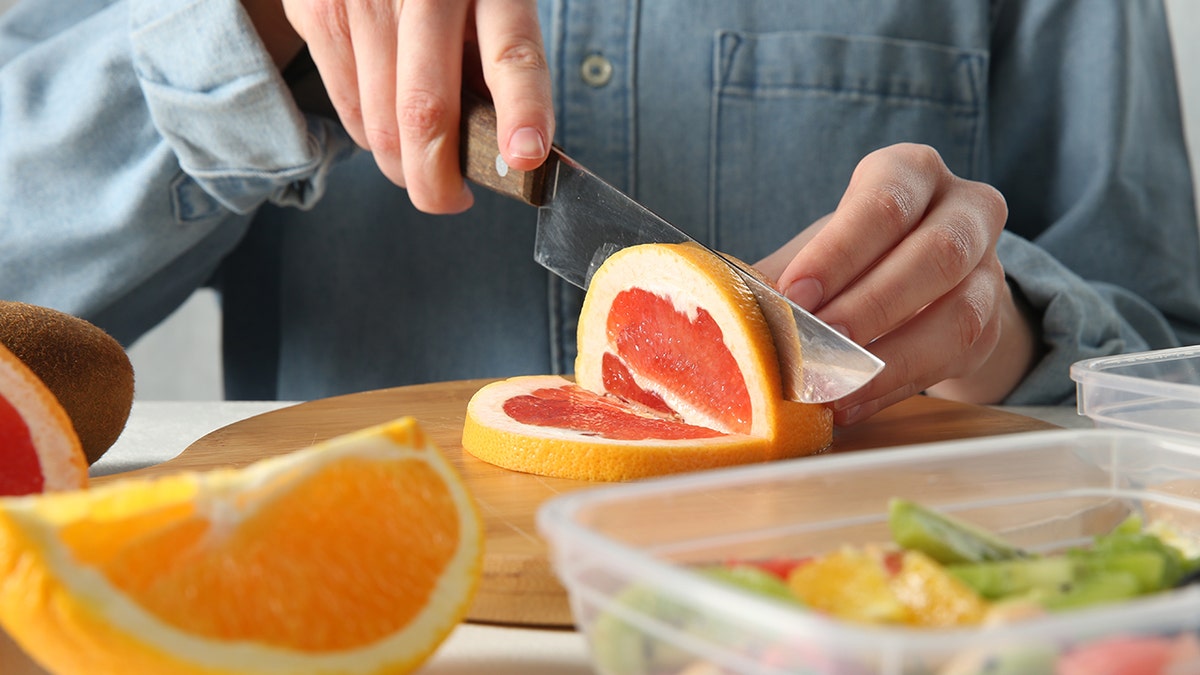
Amid the high temperatures of summer, many people taste fruity cocktails, smoothies, and fruit juices for relief. However, a warning has been issued regarding grapefruit in these popular snacks and drinks.
Dr. Nicole James, a doctor from Illinois, cautions that those on medications like statins and antidepressants need to inform their doctors about grapefruit consumption. This caution stems from the interaction grapefruit has with numerous medications.
Grapefruit’s Hidden Risks
Grapefruit is present in cocktails such as palomas, greyhounds, margaritas, and sea breezes. It contains compounds like furanocoumarins and flavonoids that inhibit cytochrome P450 3A4, known as CYP3A4. This enzyme breaks down oral medications to allow proper processing by the body. When grapefruit blocks CYP3A4, there is a significant impact on medication levels in the bloodstream.
The body’s inability to break down these drugs can lead to increased blood medication levels. Harvard Medical School highlights that concentrations can rise quickly to unsafe levels.
Potential Medication Interactions
Among those affected are patients taking statins, who may experience muscle breakdown and cramps due to elevated drug levels. Similarly, those on blood pressure medications like amlodipine might face dizziness and low blood pressure.
Sedatives such as midazolam can trigger extreme drowsiness and slowed breathing. Antidepressants like sertraline also warn against grapefruit consumption.
The Impact of Grapefruit Juice
Even small amounts, like one grapefruit or 200 mL of juice, can raise medication concentrations for up to 72 hours since grapefruit irreversibly inactivates the CYP3A4 enzyme.
Monitoring mixed fruit juices, smoothies, and cocktails is essential, considering the prevalent use of grapefruit juice. If patients consume a large quantity, they should avoid further grapefruit intake and observe for symptoms, seeking medical advice if necessary.
Other Ingredients to Note
Dr. James also mentions other ingredient interactions with medications:
- Vitamin K-rich foods, like leafy greens or cranberry juice, need caution for those taking warfarin to prevent heart attacks and strokes.
- Dairy products can reduce the effectiveness of antibiotics such as ciprofloxacin and bisphosphonates, used for preventing osteoporosis.
Consulting health professionals before consumption remains crucial. Awareness of these dietary interactions can guard against adverse effects.
Leave a Reply