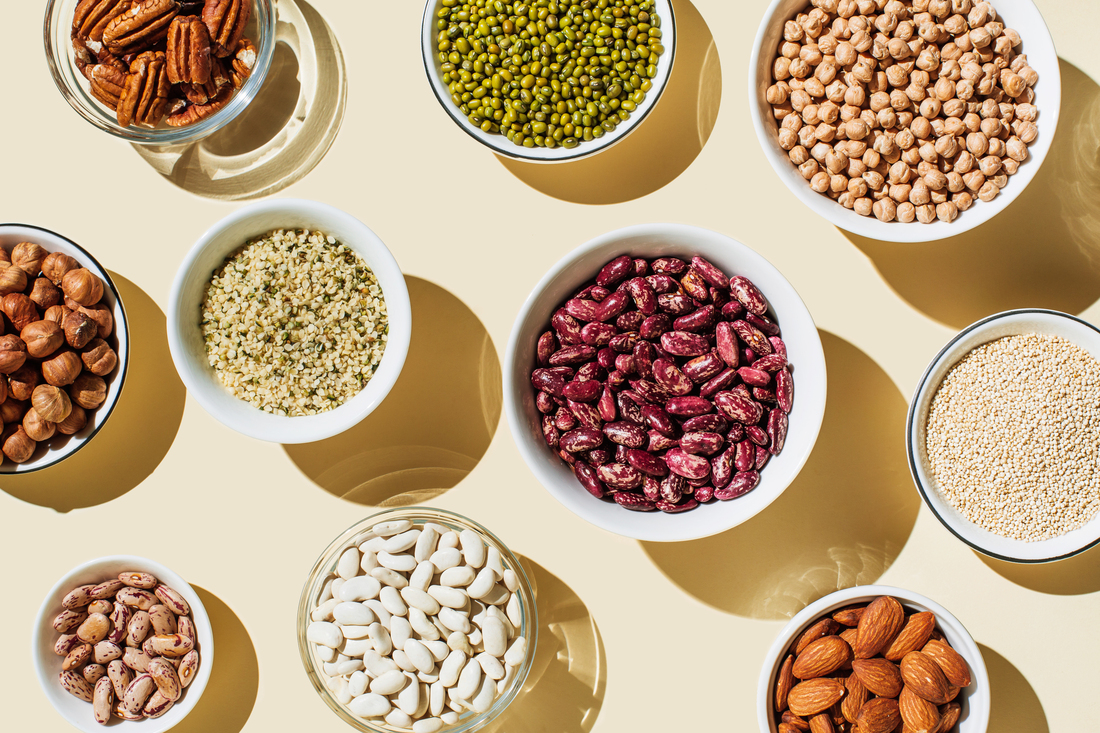
Understanding fiber’s role in your health can significantly improve your diet. Fiber is more than just a tool for regular digestion. It helps control blood sugar, lowers cholesterol, and reduces inflammation. The key function of fiber is providing fuel for the microbes in your gut. These microbes ferment fiber and produce beneficial chemicals crucial for overall health.
Increasing Fiber in Your Diet
Experts suggest consuming fiber from diverse plant-based sources. This includes fruits, vegetables, whole grains, beans, seeds, and nuts. Foods like sweet potatoes, avocados, pears, asparagus, barley, and oats are rich in fiber and provide essential vitamins and minerals. While supplements can help, they shouldn’t replace natural sources. Consult with a healthcare provider before using fiber supplements, especially if you’re on medication.
Improving Your Meals
Adjusting salad ingredients can increase fiber content. Iceberg lettuce is low in fiber, but cabbage or kale provides more. Artichokes or roasted Brussels sprouts can add significant fiber. Chickpeas are another excellent option.
Simple Ways to Add Fiber
Add fiber easily by incorporating foods like avocados or munching air-popped popcorn. Chia seeds on yogurt, nuts on oatmeal or salads, or cooked kale in soups also enhance your fiber intake.
Choosing High-Fiber Foods
Refer to the U.S. Department of Agriculture chart for fiber-rich foods. For example, a half-cup of artichoke delivers about 5 grams of fiber, while cooked sweet potatoes provide 6 grams.
Opt for Frozen Options
Raspberries and blackberries are high-fiber fruits. They are more affordable when bought frozen and maintain nutritional benefits. Frozen artichokes and spinach are handy for sautéing with olive oil and goat cheese, providing flavorful toppings.
Gradual Fiber Increase
Slowly integrating fiber can prevent discomfort such as gas and bloating. Begin swapping white bread with whole grain and increase gradually.
Monitoring Fiber Effects
Track how different fiber-rich foods affect you. For instance, chia seeds may cause digestive issues in large quantities for some people.
Hydration is Key
Drinking water helps fiber process smoothly, preventing hardening and constipation. It supports fiber’s movement through your digestive system.
Explore the podcast for more insights on fiber’s impact on the gut microbiome. The digital content was edited by Malaka Gharib, with visual production by Kaz Fantone.
Contact us at [email protected] or leave a voicemail at 202-216-9823. Discover Life Kit on Apple Podcasts and Spotify, and sign up for our newsletter for more updates.
Leave a Reply