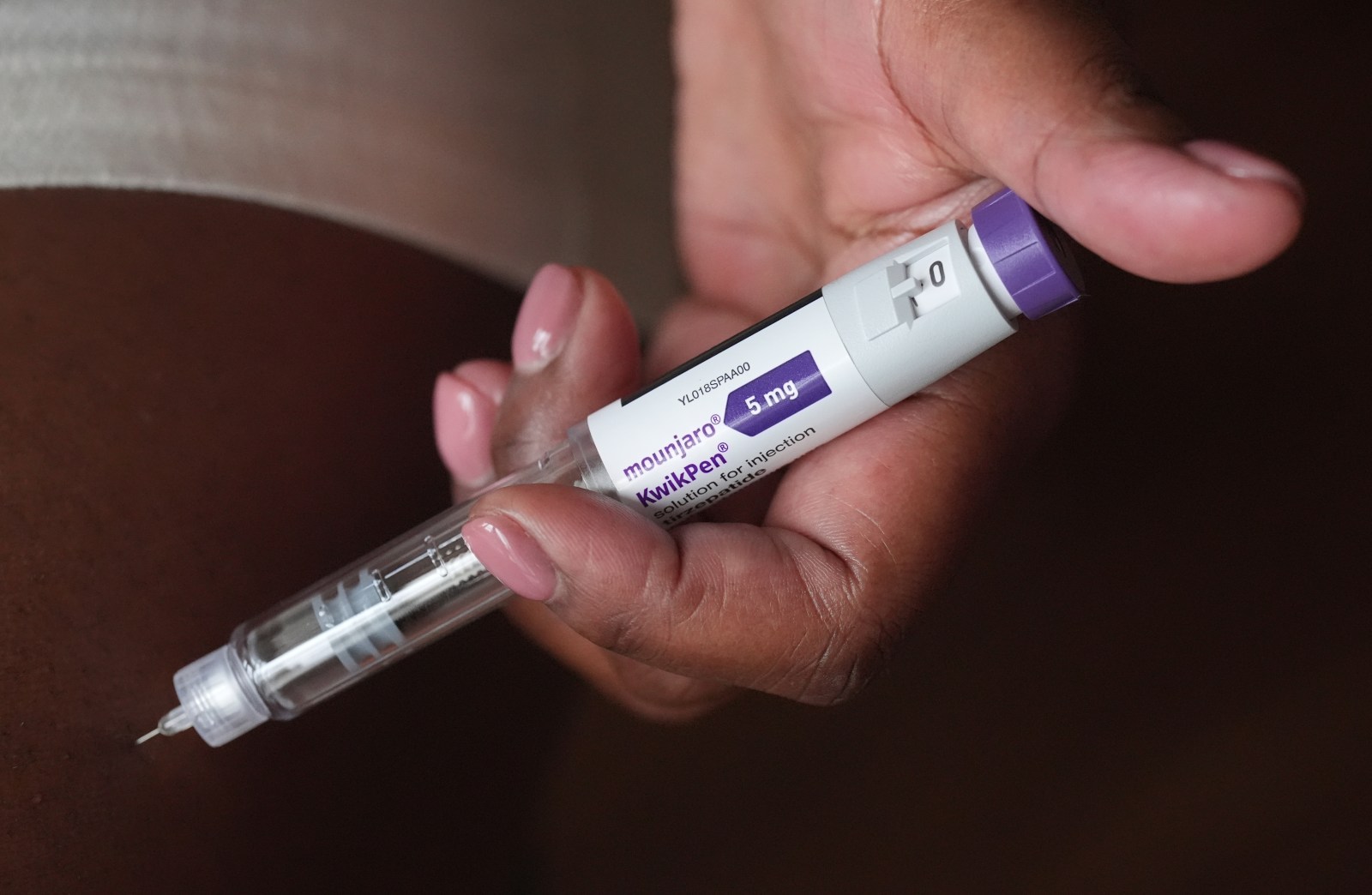
As more Americans turn to weight loss drugs for managing type 2 diabetes and obesity, there are concerns about potential nutritional risks. GLP-1 medications such as Ozempic and Wegovy have gained popularity, with data from Statista indicating one in eight Americans using them by March 2026. This increase in usage has occurred alongside a decrease in U.S. obesity rates, though various factors contribute to this trend.
GLP-1 medications work partly by suppressing appetite, which can lead to nutritional deficiencies if patients are not mindful of their diets. Dr. Fatima Cody Stanford, a Harvard University professor, highlights the risk of insufficient protein intake resulting in lean muscle loss during weight loss. She also points to deficiencies in micronutrients like vitamin D, calcium, iron, and B vitamins due to reduced food intake.
Patients on GLP-1s can experience physical effects from undernutrition, including fatigue or dizziness caused by skipping meals or prolonged periods without eating. There are concerns regarding bone density and muscle mass loss if protein intake and resistance activity are inadequate. These medications do not differentiate between fat and lean mass, which underscores the importance of proper nutrition in preventing the loss of both.
Gastrointestinal side effects associated with GLP-1 drugs can further restrict food intake, causing patients to avoid certain foods and worsening nutritional deficiencies.
Sobia Qasim, a superintendent pharmacist at Curely, emphasizes the importance of focusing on losing body fat while preserving muscle strength and overall health. Every meal becomes crucial when consuming smaller portions.
Recommended Foods for GLP-1 Users
Dr. Stanford suggests several key dietary principles for patients taking GLP-1 medications:
- Prioritize protein to maintain muscle mass.
- Consume small, regular meals despite reduced hunger to prevent undernutrition.
- Stay well hydrated.
- Limit sugary and highly processed foods.
- Consider vitamin supplementation.
- Pair nutrition with resistance training to maintain muscle and metabolic health.
GLP-1 medications should be part of a comprehensive treatment plan, along with nutrition, physical activity, and behavioral support. Dr. John Batsis at the University of North Carolina supports the emphasis on nutrient-dense, protein-rich foods.
Some recommended foods include edamame, fish, yogurt, seeds, and legumes for their high nutritional value in small portions. Other good choices are eggs, cottage cheese, Greek yogurt, milk or soy milk, fish, poultry, lean meats, beans, and nut butters. Individual preferences, medical conditions, and tolerance should guide food choices, and working with a dietitian is crucial.
Food Substitutions and Broader Dietary Advice
Pharmacists at Curely offer suggestions for everyday food substitutions to enhance nutrient intake. Qasim advises viewing weight-loss medication as part of a broader lifestyle approach. A varied, nutrient-rich diet and physical activity are key to maximizing the long-term benefits of treatment.
Dr. Stanford recommends patients focus on comprehensive dietary patterns rather than specific superfoods. Including a lean protein source at every meal and consuming diverse fruits and vegetables for fiber, vitamins, and minerals is vital. Whole grains and legumes support gut health, and healthy fats aid satiety and nutrient absorption.
Batsis concurs, highlighting that smaller meals often are better tolerated, especially with symptoms like nausea or fullness. He advises avoiding foods and drinks with low nutritional value and combining good nutrition with resistance exercise to preserve muscle.
Persistent vomiting, inability to stay hydrated, or extremely limited food intake should prompt consultation with a healthcare provider or dietitian.
Leave a Reply