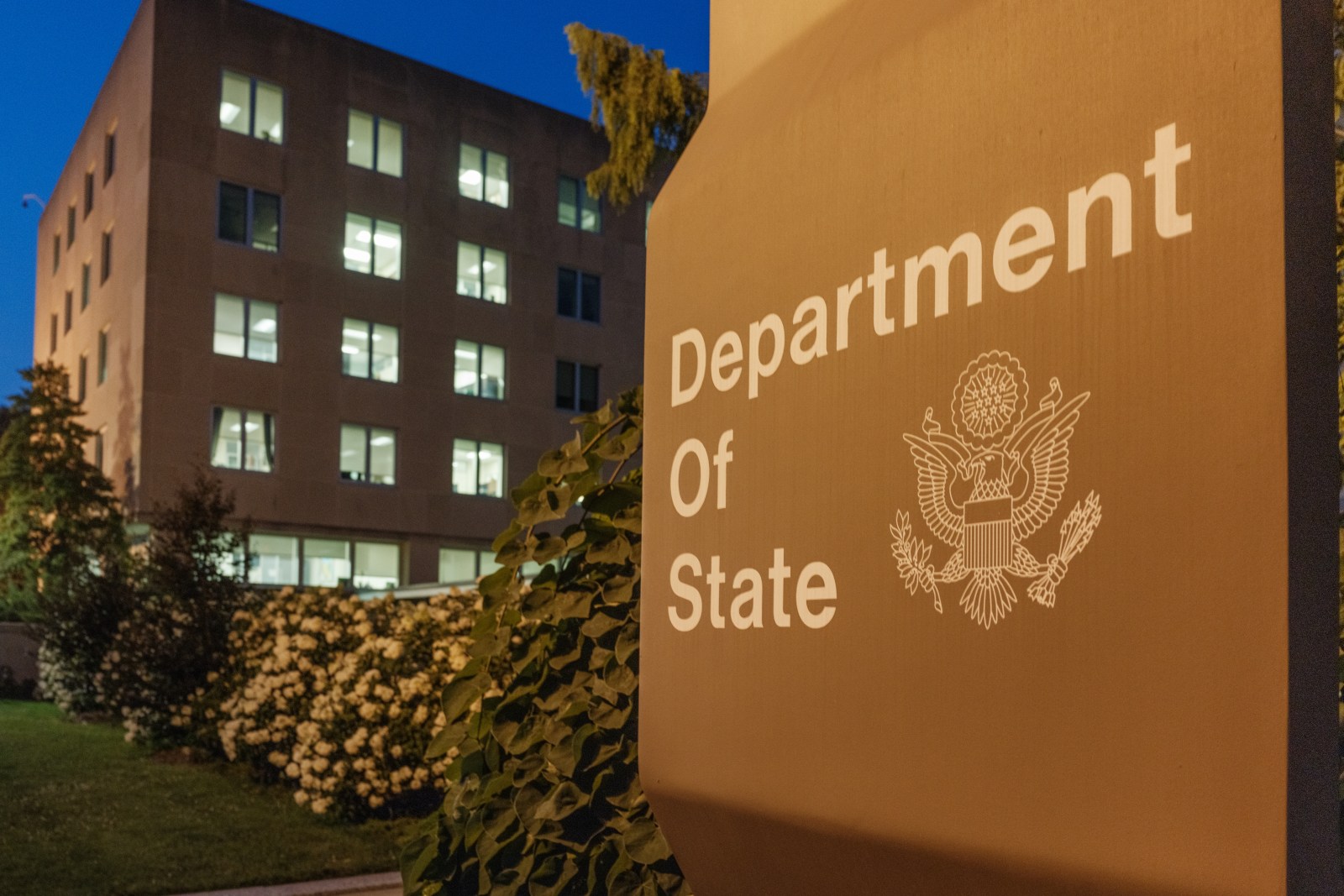
The U.S. State Department announced on Thursday new visa restrictions targeting individuals involved in cybercrime and sextortion. These measures will deny entry to the U.S. for those participating in such activities, as well as potentially their relatives. The announcement highlighted connections between these crimes and Chinese transnational criminal groups.
This policy forms part of the Trump administration’s ongoing efforts to prevent harm to American citizens. Over the past 18 months, changes to immigration rules have increased vetting of visa applicants and restricted legal pathways to enter the country.
This policy targets individuals responsible for, or complicit in, cybercrime and cyber-enabled crime, such as those involved in cyberscams and sextortion," the department stated in a press release. Immediate family members of individuals engaged in such illicit activities may also face visa restrictions.
Wider Visa Vetting Efforts
The new policy expands an approach of using visa access as a deterrent against enabling threats beyond traditional immigration violations. Earlier this year, the department used visa restrictions against those accused of political violence, undermining stability, aiding U.S. adversaries, and associating with cartels. These actions often included immediate family members.
Efforts to tighten visa systems include enhanced screening processes such as online-presence vetting for student visas and expanded visa bonds for applicants from countries with a high risk of overstaying.
Are Cybercriminals Obtaining Visas?
Public records suggest cybercrime often involves international actors being extradited to the U.S., but do not specify how many cybercriminals have successfully obtained visas. The State Department notes attempts to illegally obtain visas for criminal purposes but doesn’t provide detailed breakdowns for cybercrime cases.
Washington’s China Concerns
The visa restrictions coincide with Washington’s growing concerns over China’s cyber activities. U.S. intelligence identifies China as a major foreign cyber threat. Chinese actors have targeted government and critical infrastructure networks, posing risks beyond espionage that could disrupt essential services.
Notable campaigns like “Salt Typhoon” and “Volt Typhoon” illustrate strategies of embedding within critical networks. These efforts aim for long-term access rather than short-term disruptions, potentially compromising critical systems in future crises.
The FBI has reported Chinese-linked actors involved in cyberespionage operations affecting global communications networks and urges strengthened defenses against prolonged infiltration attempts.
Contact Newsweek editors on this story: Gabe Whisnant and Sam Wilson.
Leave a Reply