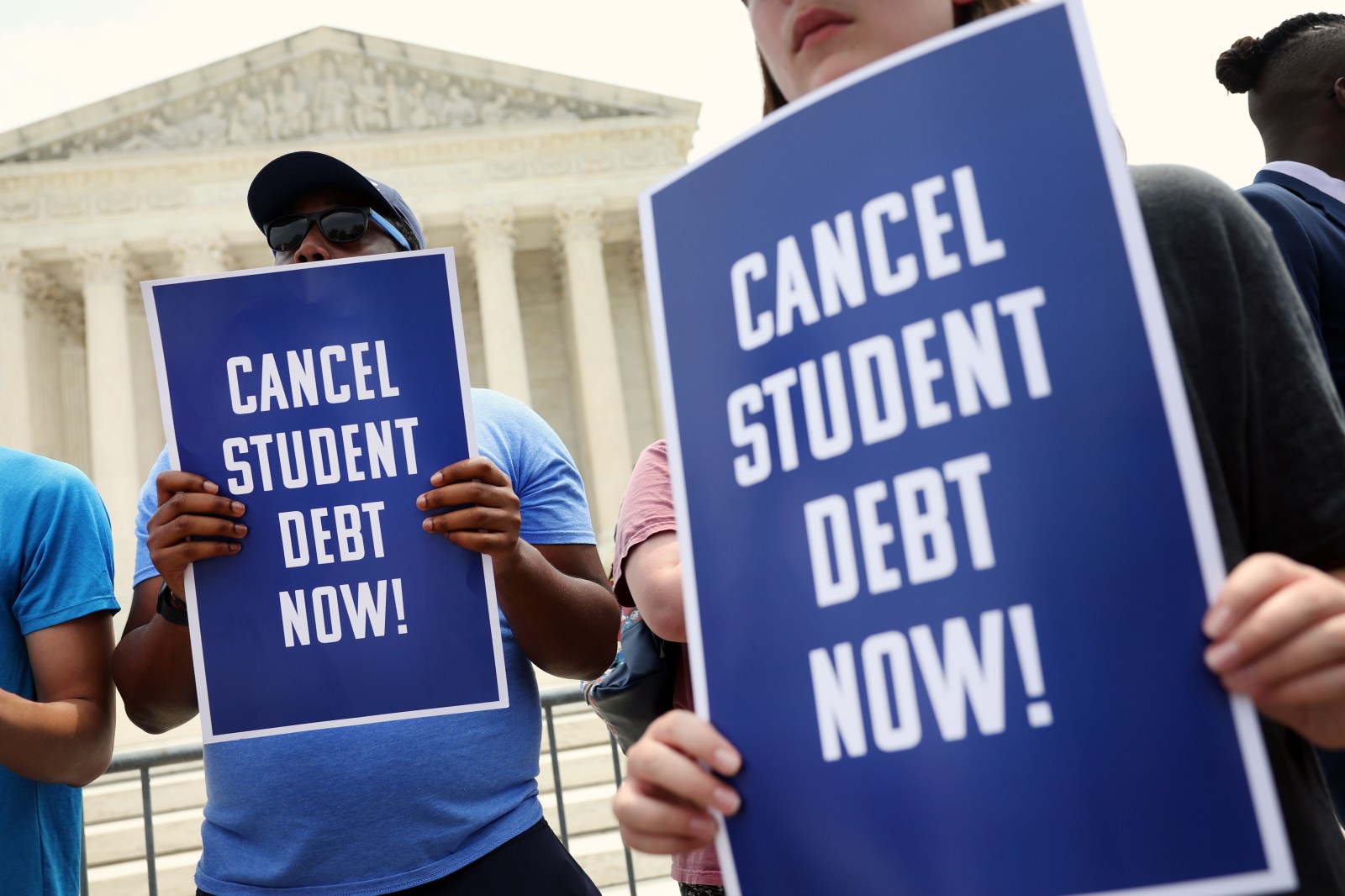
Millions of Americans with federal student loans could experience significant financial relief through a new congressional proposal. The Student Loan Interest Elimination Act, spearheaded by Democrats Senator Peter Welch of Vermont and Representative Joe Courtney of Connecticut, seeks to remove interest on federal student loans entirely. This proposal aims to refinance existing loans to a 0 percent interest rate and revise how future loans are funded.
Why It Matters
This legislation, if enacted, would represent a substantial shift in student loan reform. Unlike previous measures that merely reduced interest rates, this would eradicate them. Interest often contributes to the difficulty borrowers face in repaying loans, with years of accumulated interest drastically increasing total repayment amounts.
What To Know
The act would refinance current federally held student loans to 0 percent immediately and establish new financing rules for future loans. In a statement, Courtney highlighted the urgency due to record-high loan defaults as of 2026, exacerbated by current high interest rates, impacting 42 million borrowers. Courtney emphasized the necessity for Congress to embrace innovative solutions to address this crisis, stating, “This is a commonsense solution to the Student Loan Crisis.”
Approximately 43 million Americans with federal student loans stand to benefit from this legislation. Unlike loan forgiveness proposals, borrowers would still be responsible for repaying the principal amount borrowed, with the interest being removed.
Financial literacy educator Alex Beene elaborated that payments would primarily reduce the principal rather than servicing interest, potentially shortening repayment durations and preventing balance increases. The legislation would also establish a trust fund within the Department of Education to manage borrower payments, investing them in low-risk assets like Treasury and municipal bonds. Returns from these investments would finance the student loan program’s operation costs.
How Much Could Borrowers Save?
Savings would vary with the borrower’s balance, interest rate, and repayment schedule. EducationData.org calculates that a borrower with an average federal loan balance of $39,547 typically pays around $14,074 in interest over a 10-year span at a 6.39 percent rate. Eliminating interest would remove these costs.
For borrowers with larger balances, particularly from graduate school, savings could be even greater. Extended repayment periods, often exceeding 10 years, contribute to increased interest costs. EducationData.org notes the average borrower repays loan debt over a 20-year period.
Who Would Qualify?
The proposal applies exclusively to federal student loans, not private loans. Current federal loan borrowers could refinance to zero percent interest under this plan. Prospective federal loan borrowers are also included. However, the act does not impact private loan interest rates, leaving borrowers who took private loans without the same benefits.
Who Supports the Bill?
Led by Welch and Courtney, the proposal reflects the belief that borrowers should not be overwhelmed by excessive interest on educational loans. Welch stated, “Our generation owes the younger generation an opportunity to make the best of themselves.” Presently, the federal student loan balance is nearing $2 trillion, with average borrower debt around $40,000.
Not all view the bill favorably. Kevin Thompson, CEO of 9i Capital Group, expressed skepticism, deeming it financially impractical. He argued, “You simply cannot give away free money,” pointing out the risk-free potential for borrowers investing elsewhere.
Past Proposals and Future Prospects
This proposal is not new to Congress, having been introduced previously before reappearing in March. Historically, initiatives like the Lowering Student Loans Act, proposed by Representative Mike Thompson, aimed to reduce interest rates to 2 percent.
The current bill confronts substantial challenges, especially in a Republican-majority Congress. Despite its appeal to borrowers, Beene noted fundamental financing changes and federal cost concerns as obstacles to its progress.
What Happens Next
For now, borrowers see no immediate alterations to their loan payments. Should the legislation pass, it might save borrowers thousands in interest over their loan’s life. Thompson warned, “A significant reduction in government student loans could push borrowers toward the private sector” if implemented.
Leave a Reply