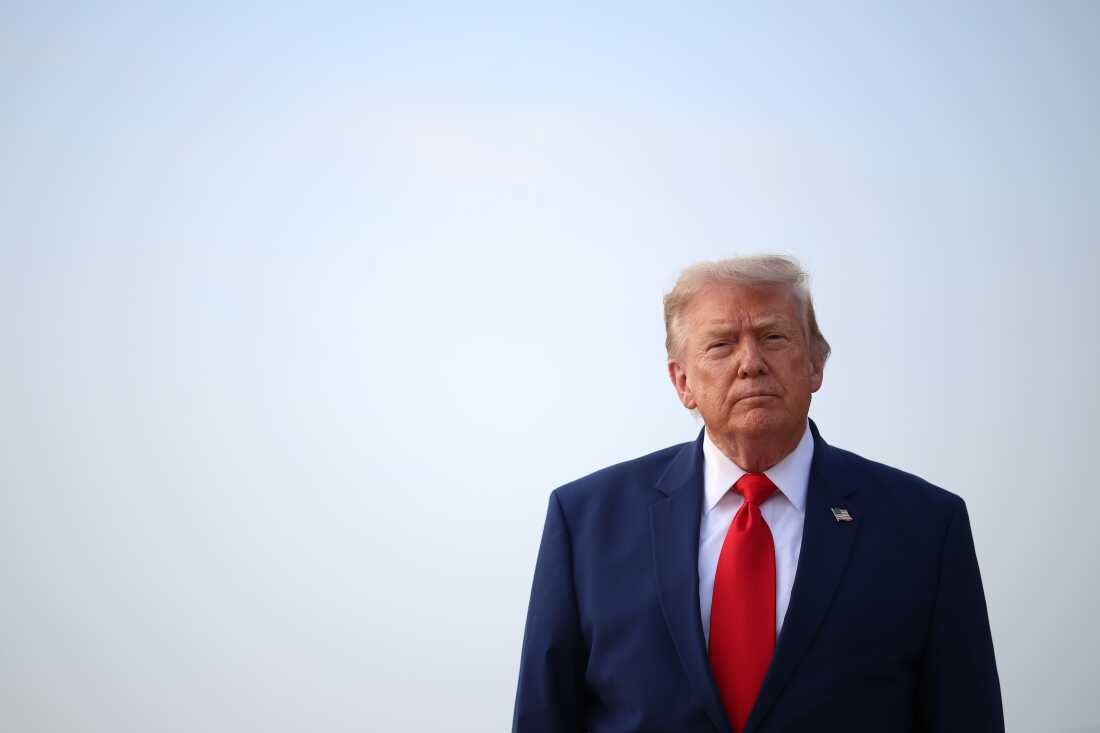
President Trump’s Reaction to Supreme Court Rulings
On July 22, 2026, President Donald Trump expressed frustration about the Supreme Court’s ruling against his tariffs. Despite this, he planned to impose new tariffs. Utilizing laws other than the International Emergency Economic Powers Act (IEEPA), which were deemed unlawful by the Court, his administration aimed to sustain the tariff regime.
New Tariffs and Their Implications
This week, the administration replaced a global tariff with several new ones. It imposed fees on Canadian imports and threatened future tariffs on pharmaceuticals. Trump’s economic policy remains unpopular, yet steadfast. A global 10% tariff expired at 12:01 AM Eastern Friday, replaced by new tariffs on major trading partners at 10% and 12.5%. These targeted goods from 60 entities, including the European Union, citing forced labor concerns. Exemptions include energy and certain food categories.
Official Statements and Criticism
A senior official emphasized the administration’s commitment against forced labor. The US Trade Representative highlighted America’s unique enforcement on this issue. Critics, such as Sen. Ron Wyden, questioned these motivations, arguing that Trump’s actions increased costs for Americans.
Methods and Legal Procedures
Alternative methods to IEEPA involve lengthy investigations. Trump’s recent 50% tariffs on Canadian goods required a legal precedent from 1930. Negotiations may alter the proposed Canada tariffs under the USMCA agreement. Tensions also exist with Spain over military base access related to conflicts involving Iran.
Complex Legal Framework and Its Challenges
The evolving tariff system uses various statutes, complicating compliance for importers. Professor Kathleen Claussen from Georgetown Law School noted the increased complexity. A section-301 investigation probes numerous countries and the EU for trade fairness.
Public Opinion and Long-term Goals
Public sentiment shows disapproval of tariffs, affecting Trump’s economic ratings. Despite this, he champions tariffs as a means to negotiate better trade deals. His administration argues for manufacturing growth as a long-term benefit. However, manufacturing employment hasn’t increased since he took office, posing risks for future voter approval.
Leave a Reply