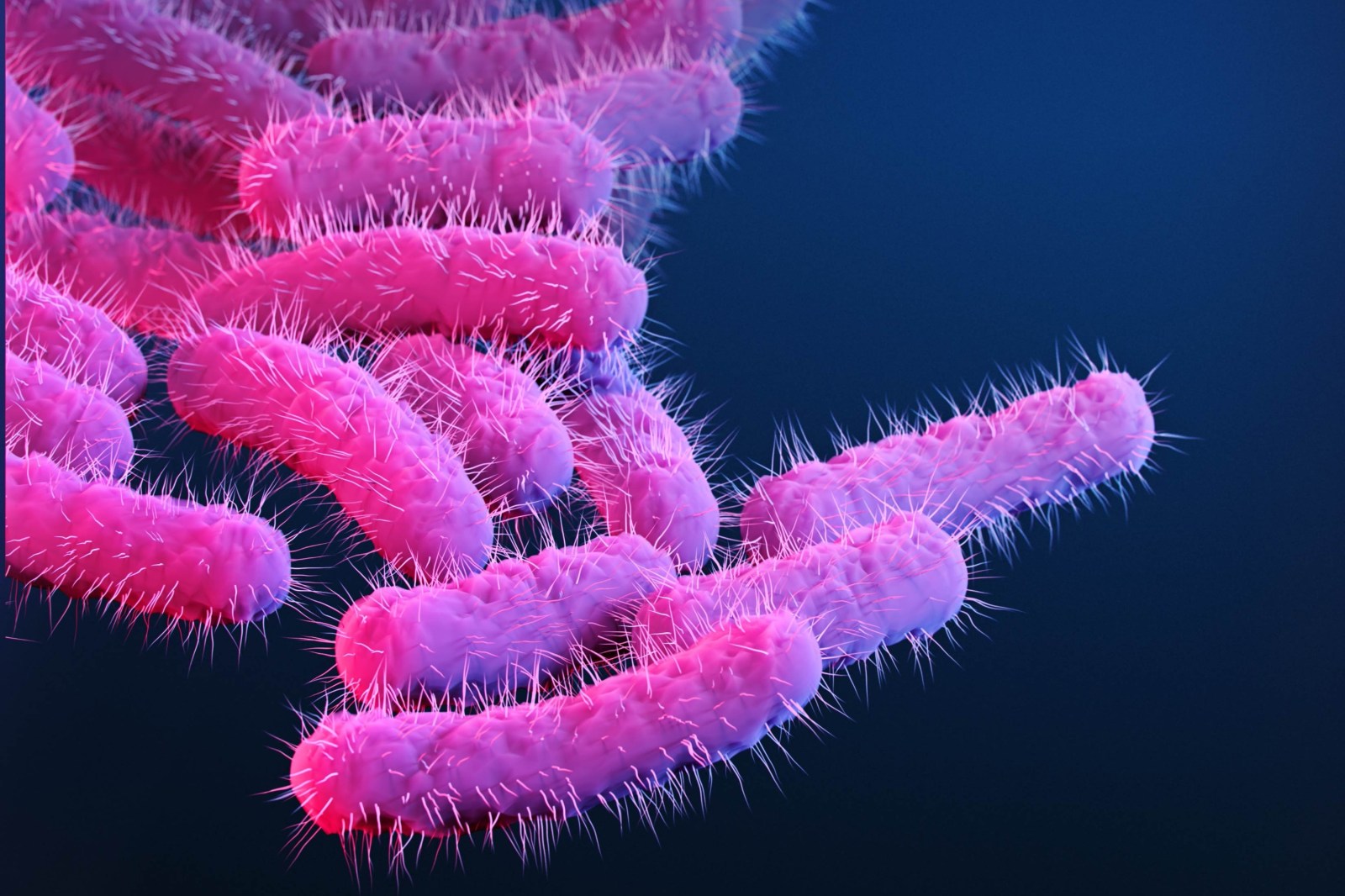
A bacterial infection, spreading through sexual contact, is becoming increasingly resistant to commonly used antibiotics in the U.S. This bacterium, Shigella, causes an intestinal infection known as shigellosis. It typically presents with diarrhea, fever, and stomach cramps.
An alarming report by the Centers for Disease Control and Prevention (CDC) in 2026 highlighted that from 2011 to 2015, the proportion of Shigella samples resistant to multiple antibiotics rose to 8.5% in 2023. These resistant strains withstand five antibiotics often used for treatment.
“The number of cases does not seem to have increased over the last few years, although the proportion of the bacteria that are extensively drug-resistant has increased,” Dr. Sarath Nath, an infectious disease expert, commented.
Despite the rise in resistance, the CDC’s data does not indicate a nationwide spike in infections. Infections often resolve without antibiotics, posing higher risks to specific population groups.
Through September 2026, the CDC recorded 13,921 Shigella cases among U.S. residents, compared to 14,277 in 2025. However, these figures are preliminary and might not capture every infection.
Understanding Shigella
Shigella represents a group of bacteria causing shigellosis, with an estimated 450,000 infections annually in the U.S. While potentially transmitted sexually, it is not exclusively a sexually transmitted infection. Contaminated food, water, and contact with infected individuals also contribute to its spread.
The infection is highly contagious, requiring minimal bacterial exposure to cause illness. The CDC reports that consuming as few as ten bacteria can lead to infection.
Main Symptoms of Shigellosis
Symptoms often appear one to two days post-exposure, including diarrhea, fever, abdominal pain, and a persistent urge for bowel movements despite empty bowels. Symptoms generally last five to seven days, resolving without antibiotics in mild cases through rest and hydration.
Severe infections demand medical intervention, especially for those with weakened immune systems. Bloody diarrhea, prolonged symptoms, or signs of dehydration warrant medical attention.
Main Methods of Shigella Transmission
Transmission occurs via the fecal-oral route—infected stool contaminating another person’s mouth through food, water, poor hygiene, surfaces, or contact with infected individuals.
Sexual transmission involves microscopic fecal exposure during activities such as oral-anal contact, anal sex, or contact with contaminated hands or sex toys. Gay, bisexual, and men who have sex with men face higher risks.
A CDC analysis in April noted 86.2% of patients with highly drug-resistant shigellosis were men. However, researchers couldn’t conclusively tie these infections to sexual activity due to incomplete exposure data.
Other vulnerable groups include young children, travelers, homeless individuals, and those with impaired immunity. A study of outbreaks found person-to-person transmission prevalent, particularly in childcare settings.
Assessing Drug Resistance Concerns
Though antibiotic resistance raises concerns, experts caution against undue alarm. “Concerned but not alarmed,” remarked Dr. Matthew J. Bertini on the evolving resistance data.
CDC research found that Shigella’s extensive drug resistance increased to 8.5% in 2023, with about a third of patients requiring hospitalization. Though individual risk remains low for those in generally good health, concerns arise as standard antibiotics fail for a growing number of cases.
Extensive resistance was noted against ampicillin, azithromycin, ceftriaxone, ciprofloxacin, and trimethoprim-sulfamethoxazole, with no FDA-approved oral antibiotics effective against all five.
“Most Shigella infections are self-limited and do not require antibiotics,” stated Dr. Shivan M. Shah, highlighting the need for treatment in severe cases.
The CDC found 37.6% of highly resistant patients with hospitalization records had been admitted, although this data encompassed only 258 patients.
Protective Measures
Standard hygiene practices significantly reduce the risk of Shigella transmission. The CDC recommends washing hands, genitals, and the anal area with soap and water before and after sexual activities, using condoms, and cleaning sex toys appropriately.
For activities involving the anal area, latex gloves may be advisable. Abstaining from sexual activity is crucial during an infection, as bacteria may persist in stools after symptoms cease.
“If you have diarrhea, it is best to abstain from sexual activity for at least two weeks, as bacterial shedding can continue even after symptoms have resolved,” advised Dr. Nath.
The CDC also suggests waiting a minimum of two weeks post-diarrhea before resuming sexual activities.
Leave a Reply