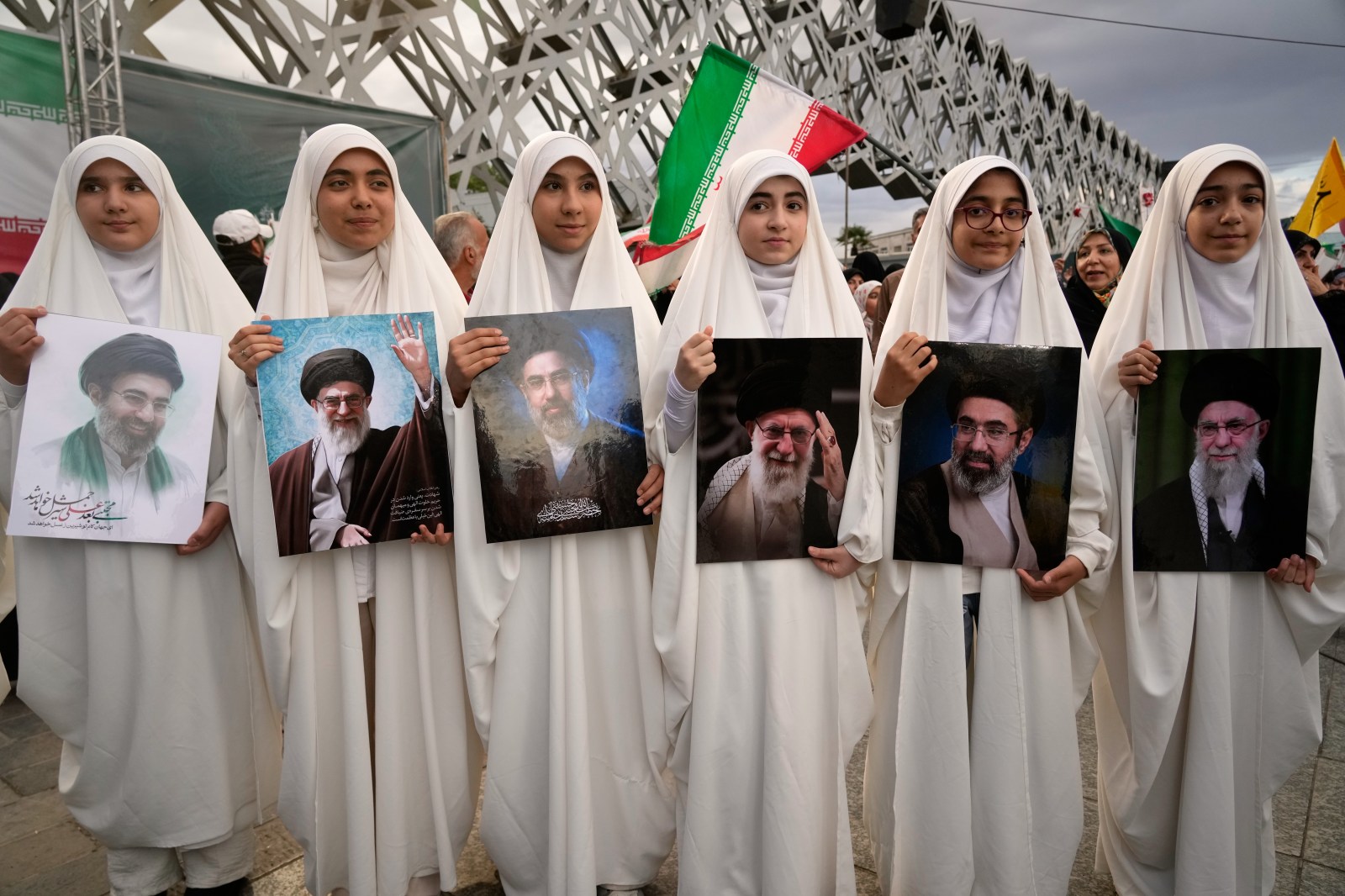
Mojtaba Khamenei, the supreme leader of the Islamic Republic of Iran, has been missing since his father, Grand Ayatollah Ali Khamenei, was assassinated in a U.S.-Israeli strike in February. Despite this, he remains “out of office” with no public appearances, affecting Tehran’s governance and negotiation efforts with the U.S.
Understanding Mojtaba’s Absence
Reports describe Khamenei Jr. as both disfigured and legless yet lightly injured and capable of leading from the shadows. His mysterious absence has sparked speculation about Iran’s internal state and its negotiations with the U.S.
“Shia Islam holds that the Twelfth Imam has been absent for more than 1,200 years. Mojtaba’s absence could make him a spiritual figurehead,” says Peiman Salehi, an Iranian political analyst in Tehran.
Mojtaba’s lack of physical presence might allow him to symbolize ideological unity among Iranians.
Power Dynamics in Tehran
Mojtaba’s absence is seen as an opportunity for Iran’s military and intelligence chiefs. Khosro Isfahani, research director at the National Union for Democracy in Iran, suggests the regime uses Mojtaba to control internal narratives.
“His absence allows the regime to portray him as a blank canvas to maintain control,” Isfahani notes.
This strategy could increase radical elements’ influence within Iran’s power structure.
Internal Power Struggles
Ali Khamenei shaped Iran’s political landscape for decades. Mojtaba lacks this influence, leading to competition among Iran’s political factions. Andreas Kreig from King’s College London identifies the IRGC as a major beneficiary.
“The IRGC’s control over military and intelligence operations makes them key players in the absence of a strong supreme leader,” Kreig explains.
The Negotiation Maze
Iran’s tactics in dealing with the U.S. have become more complex. Tehran’s demands extend beyond nuclear negotiations, aiming to exert influence over the Strait of Hormuz.
“Iran’s control over Hormuz is a strategic lever against the West,” notes Salehi.
Public Opinion and Regime Stability
While some believe Iran may not need a supreme leader, others contend that the regime’s long-term plans preserve this role’s symbolic importance.
“Iran’s leadership is seen as a symbol of endurance amid foreign threats,” Kreig observes.
Mojtaba’s future appears tied to how the power holders in Iran wish to utilize his image and position.
Will Mojtaba Return?
Speculation surrounds Mojtaba’s location and condition. Some experts, like Salehi, believe security concerns keep him hidden rather than injury or external influence.
“His absence is due to security threats, not just injury,” emphasizes Salehi.
What remains clear is Iran’s uncertain path without a visible supreme leader, as the internal balance of power continues to evolve.
Leave a Reply