The Impact of Social Media on Generation Z
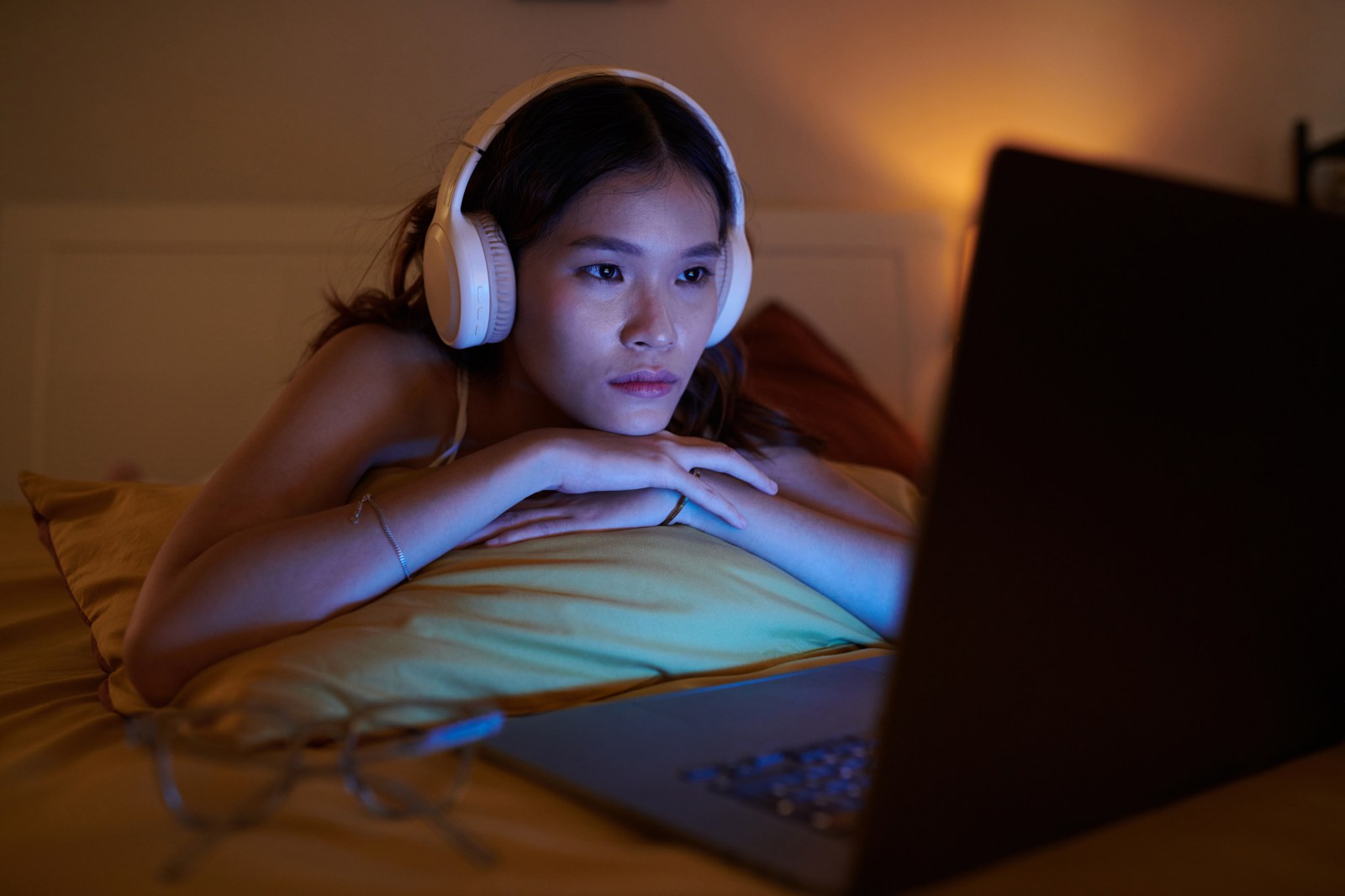
Generation Z, born between 1997 and 2012, faces unique challenges due to their constant exposure to social media. This generation often encounters both distressing content and the highlight reels of others’ successes online.
Psychological experts are focusing on what occurs when people share their wins and achievements. This trend runs alongside darker content, exposing Gen Z to extreme online highs and lows at a frequency never seen before.
Social Comparison and Mental Health
Recent studies link poorer mental health outcomes in Gen Z to heightened social comparison. Platforms like TikTok, Instagram, and others contribute to this trend, allowing users to view personal and professional achievements, increasing proximity to celebrities and the wealthy.
A survey found that 60% of Gen Zers in 2024 spent over four hours daily on social media, with 22% exceeding seven hours. This visibility intensifies feelings of inadequacy.
Luxury brands like Chanel and Dior entering middle-class markets exacerbate this comparison. Offline leisure activities have become “status symbols,” making Gen Z feel everyone else enjoys greater riches and fulfillment, leading to mental health concerns.
Dr. Ashwini Nadkarni, assistant professor of psychiatry at Harvard Medical School, explained social comparison impacts self-appraisal. Prudence Leung, an expert at EduBirdie, noted the shared online space makes classmate and celebrity distinctions feel insignificant.
Changing Expectations
EduBirdie surveys show 38% of Gen Z want to earn over $100,000 by age 30. Exposure to swift success stories online shifts expectations, driving pressure to optimize each moment.
New research highlights alarming mental health statistics in Gen Z. A 2025 poll found 94% report monthly mental health challenges, with Deloitte’s study noting 40% feel stressed or anxious frequently.
Gallup data shows “excellent” mental health among Gen Z fell 14 points since 2019. Harvard’s study indicates Gen Z struggles with well-being compared to other generations.
Social Media’s Role in Mental Health Challenges
A study in 2020 linked social media use to depression and anxiety. The Cybersmile Foundation’s report revealed 89% of Gen Zers compare themselves online, and this perpetual measuring intensifies emotional impacts.
Trauma therapist Jennifer Lancaster observed people compare their lives against others’ highlight reels, leading to a belief that others have life “figured out” while they lag behind.
Chronic comparison affects the nervous system by activating a constant threat response and preventing present moment awareness.
Effective approaches include somatic practices for bodily awareness and EMDR to address foundational beliefs. These help alter perceptions and lessen urgent feelings derived from social comparisons.
Practices focusing beneath the cognitive level aid in regulating responses, improving flexibility and capacity to navigate emotional states.
Leave a Reply