For decades, aspiring U.S. presidents made a traditional visit to Israel as part of their campaign strategy. This journey typically included visits to significant sites such as Yad Vashem, interactions with the Israeli prime minister, and public declarations of a strong U.S.-Israel bond. Past visits have been symbolic, expressing solidarity with Israel and appealing to key voter groups in America.
In 2008, then-candidate Barack Obama visited Sderot, a city affected by rocket attacks, emphasizing security for his family and by extension, the American public. Mitt Romney followed a similar path in 2012, leaving a note at the Western Wall, a gesture aimed at demonstrating his support to Jewish and evangelical voters.
Even governors and politicians with limited foreign policy experience have used the trip to project an image of statesmanship. For example, George W. Bush, as Texas governor, visited Israel in 1998 and returned home with increased stature. Israel served as a strategic location for these political figures, offering real-world conflict engagement without significant risks.
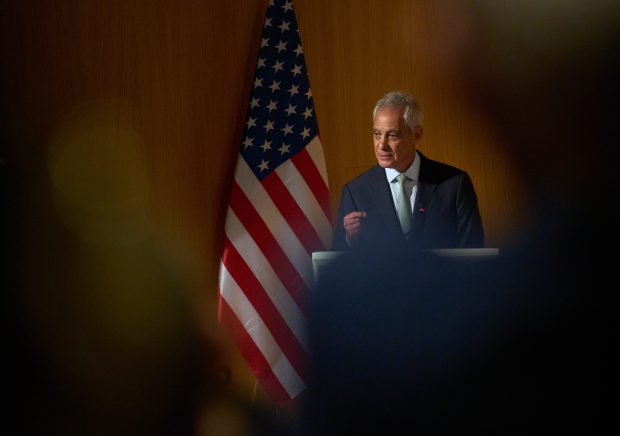
However, not all trips went smoothly. In 1979, Jesse Jackson faced backlash after being photographed with Yasser Arafat, a move that haunted his presidential bids. Recently, political visits to Israel have shifted. On July 8, Rahm Emanuel criticized Israeli policies during a speech at Tel Aviv University, and U.S. Rep. Ro Khanna claimed an incident with settlers in the West Bank, reporting it days later to coincidentally increase media attention.
These actions reflect a changing climate among Democratic voters, who now sometimes favor candidates who critique Israeli policies. This shift follows the absence of similar trips by major Democratic contenders in 2020 and highlights a broader evolution in U.S.-Israel dynamics post-2023.
Notably, Emanuel and Khanna skipped meetings with influential Israeli officials, underscoring their intentions to address American audiences rather than forge new diplomatic ties. This tactic suggests positioning within their party’s left-leaning factions while maintaining distance publicly.
America’s alliance with Israel has historically been mutually beneficial, offering strategic advantages and fostering shared defense projects like the Iron Dome. This cooperation has bolstered security for both nations, underscoring the depth of their relationship.
For future presidential candidates, there is merit in undertaking more comprehensive visits, engaging with both Israeli and Palestinian communities. Exploring diverse perspectives at places like the University of Haifa or Hadassah Medical Center offers insights into coexistence efforts. Engaging directly with initiatives like EasTech, a tech incubator supporting Palestinian entrepreneurs, could help candidates understand local dynamics beyond soundbites.
A successful trip to Israel should prioritize listening and understanding over using the backdrop for political theater, preserving the integrity of the U.S.-Israel relationship.
Leave a Reply