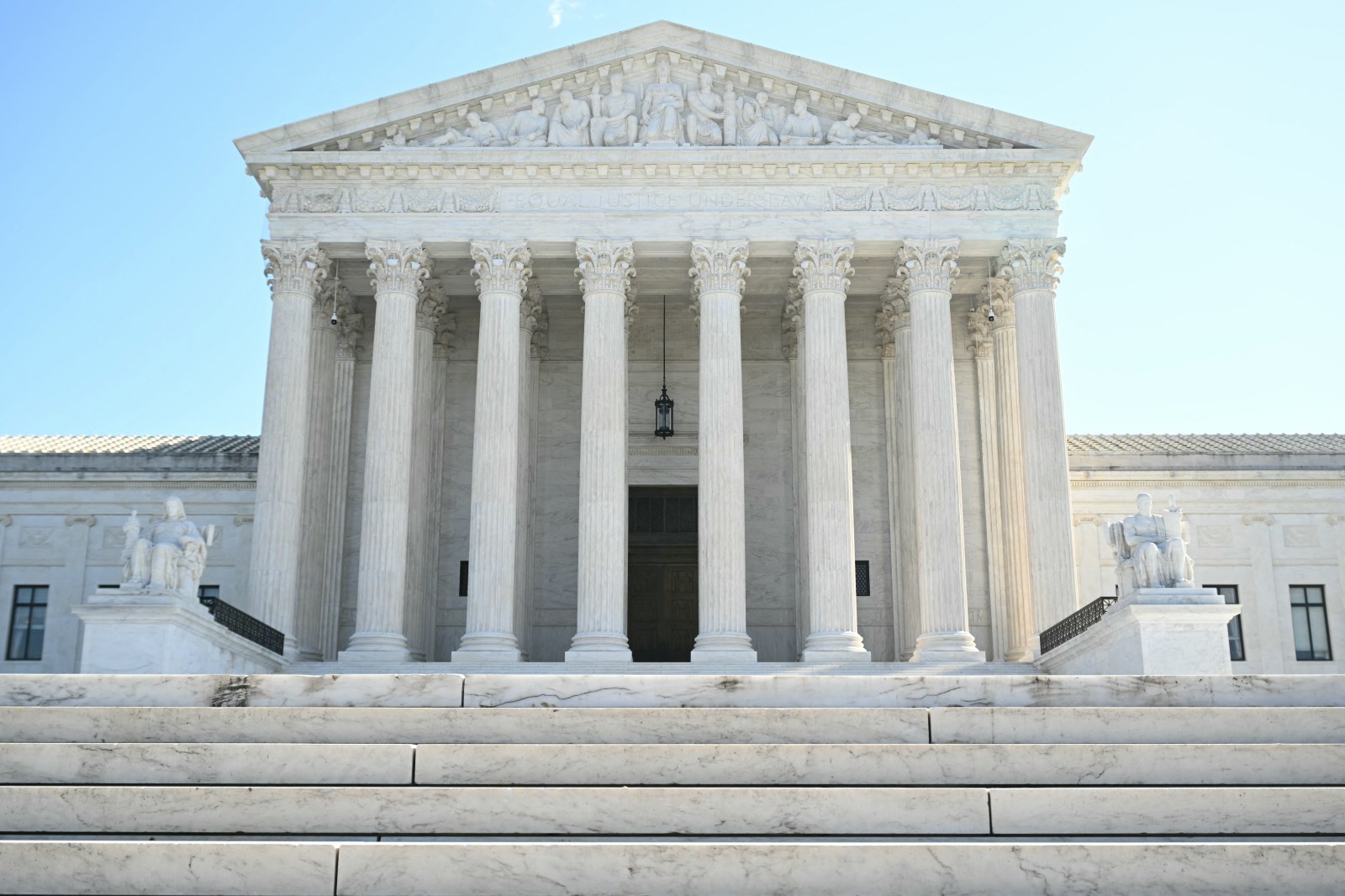
Supreme Court Backs Trump Administration on FCC Ruling
The Supreme Court sided with the Trump administration in a major case concerning political advertising rates. In a 7-2 decision, the Court blocked a Fourth Circuit ruling that demanded the FCC rapidly resolve a challenge to its political advertising policy.
Understanding the Dispute
The case centered around the FCC’s ‘lowest unit charge’ rules. These rules require broadcasters to offer favorable rates to candidates in the lead-up to elections. However, the rule’s extension has been controversial. Some Democratic candidates, including Sherrod Brown and Jon Ossoff, challenged the FCC’s guidance. This guidance allowed discounted rates for political parties involved in coordinated spending and certain joint fundraising committees.
The Court ruled, “The Fourth Circuit’s decision to issue an ‘extraordinary’ writ was inappropriate.”
Justices Sonia Sotomayor and Ketanji Brown Jackson dissented from the majority decision.
Legal Background
Federal law gives political candidates access to a broadcaster’s lowest unit charge 45 days before a primary and 60 days before a general election. The FCC extended these discounts to political parties and certain committees in March, leading to legal challenges. The Democratic candidates argued that Congress meant these discounts exclusively for candidates.
The Fourth Circuit initially agreed with the challengers, but the Supreme Court intervened, stopping the ruling on September 4. The justices stated that the candidates sought court involvement prematurely.
Supreme Court’s Second Involvement
In October, the Fourth Circuit demanded the FCC resolve the application in 48 hours, prompting another Supreme Court intervention. The justices criticized the appeals court for overstepping its authority, emphasizing that the FCC, under the Communications Act, should dictate its review processes.
The Supreme Court noted, “A writ of mandamus is a ‘drastic and extraordinary’ remedy.”
The Supreme Court emphasized that any enforced acceleration could harm the FCC’s decision-making process.
Impact on Midterm Elections
With midterms approaching on November 3, this decision allows the current FCC rules to stand for now. Political parties and certain committees can benefit from discounted rates alongside candidates. While Republican groups have supported the FCC’s stance, Democratic candidates and the Campaign Legal Center oppose it, fearing undue super PAC influence.
The key legal question—who is entitled to the lowest rates—remains unresolved. The Supreme Court’s ruling focused on jurisdiction and procedure rather than policy interpretation.
Leave a Reply