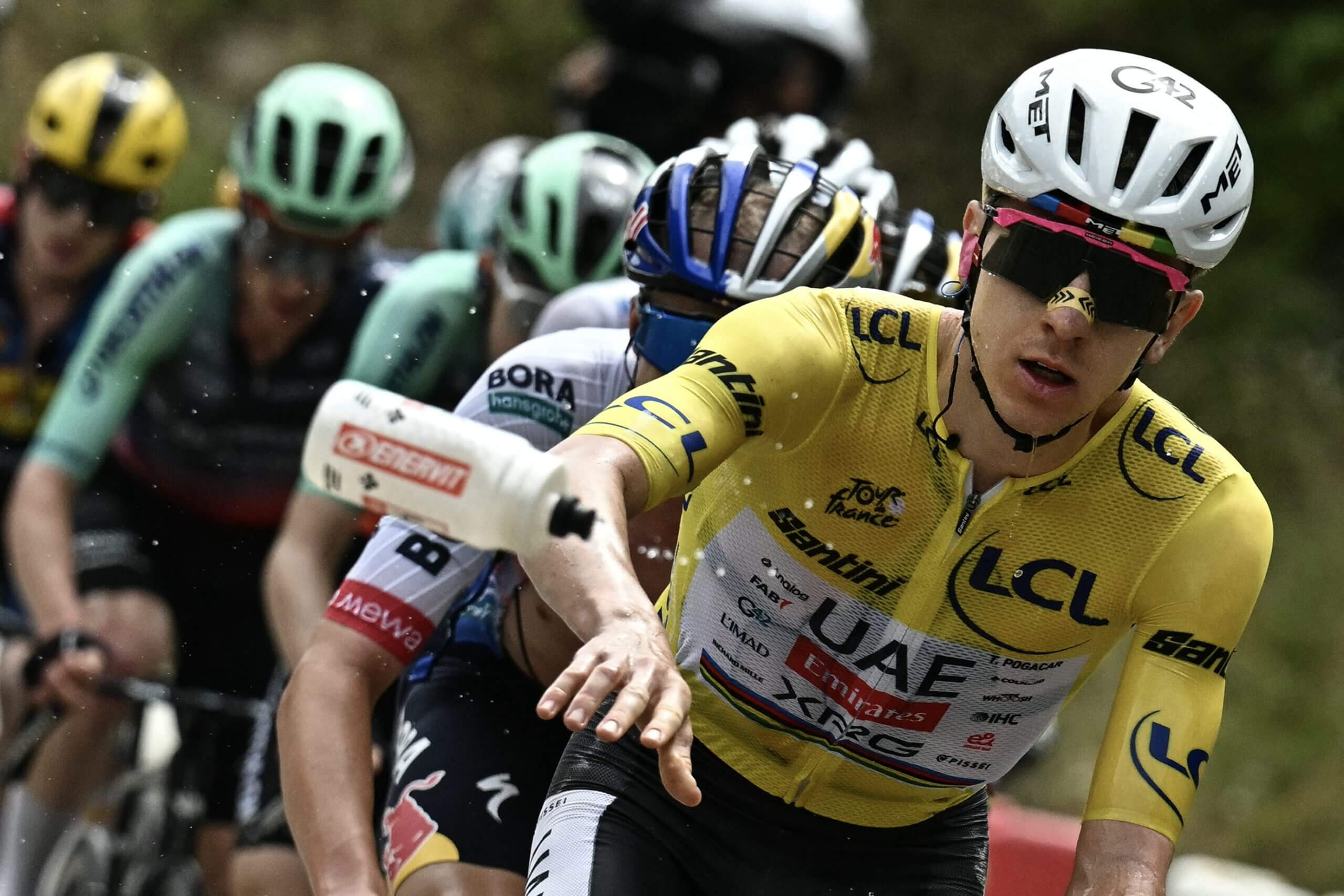
Tadej Pogačar’s triumph on Alpe d’Huez brought tears to his team’s eyes, yet he remained seemingly unmoved by the victory. He considered it just another win, although he acknowledged widespread media acclaim might change his perception. Pogačar’s pattern of victories continued unabated, with his dominance in the 2026 Tour de France highlighting his status as potentially the greatest cyclist of his generation.
Pogačar won five stages during the Tour and even gifted two victories, showcasing his sportsmanship. His prowess on mountain top finishes was remarkable, with a total of 16 wins – significantly surpassing his nearest competitor. His success at this Tour places him alongside cycling legends like Jacques Anquetil, Eddy Merckx, Bernard Hinault, and Miguel Indurain, as a five-time Tour winner.
Despite his apparent invincibility, Pogačar admitted feeling he hasn’t significantly improved since 2024, attributing his success to experience and slight improvements in attitude and emotions. This year’s Tour didn’t just test his athleticism but also his resilience against illness, anti-doping probes, and rival teams’ criticisms.
Organizers seemingly designed the route to prevent him from establishing an early lead. Yet, Pogačar excelled, especially on the Col du Tourmalet. The UAE Team Emirates, under pressure from other teams like Visma, showcased teamwork with key contributions from cyclists like Tim Wellens and Adam Yates that solidified Pogačar’s position.
A pivotal relationship was with the young Mexican rider, Isaac del Toro. This bond was crucial, helping Pogačar maintain a positive disposition and contributing to successful teamwork throughout the Tour. Pogačar’s mentoring of Del Toro and their mutual victories symbolized the unity that defined the team’s success.
Pogačar reflected, “He had good energy, it was a good relationship, good humour. He was always there for me, 100 percent.”
Besides athletic excellence, Pogačar’s strategic decisions, like reducing race participation, contributed to his sustained energy and focus throughout the event. The introduction of heat adaptation training also proved essential, especially during the hottest Tour in history.
Pogačar’s climbing records and stage win rate draw attention to his incredible capabilities, reminiscent of past eras marked by doping scandals. Yet, there have never been credible allegations against him. Despite intense anti-doping measures, including early morning tests, Pogačar maintained a commitment to clean sport.
Challenges such as team sickness in the final stages posed threats. However, Pogačar’s performance on Alpe d’Huez, where he decisively won, demonstrated his resilience and tactical brilliance, even when facing rumors about his health and allegations of unfair competition.
The Tour’s narrative also included the emergence of new talent like Del Toro, who, riding alongside Pogačar, showcased potential for future victories. Despite the pressures of dominance, Pogačar expressed motivation driven by the love of cycling and competition, hinting at future goals like the Vuelta a España and Paris-Roubaix.
In the final stretch on the Champs-Élysées, Pogačar showed determination beyond ceremonial expectations, racing with intensity until the very end. His approach suggested that while making history isn’t his primary motivation, his actions are undeniably shaping it.
Leave a Reply