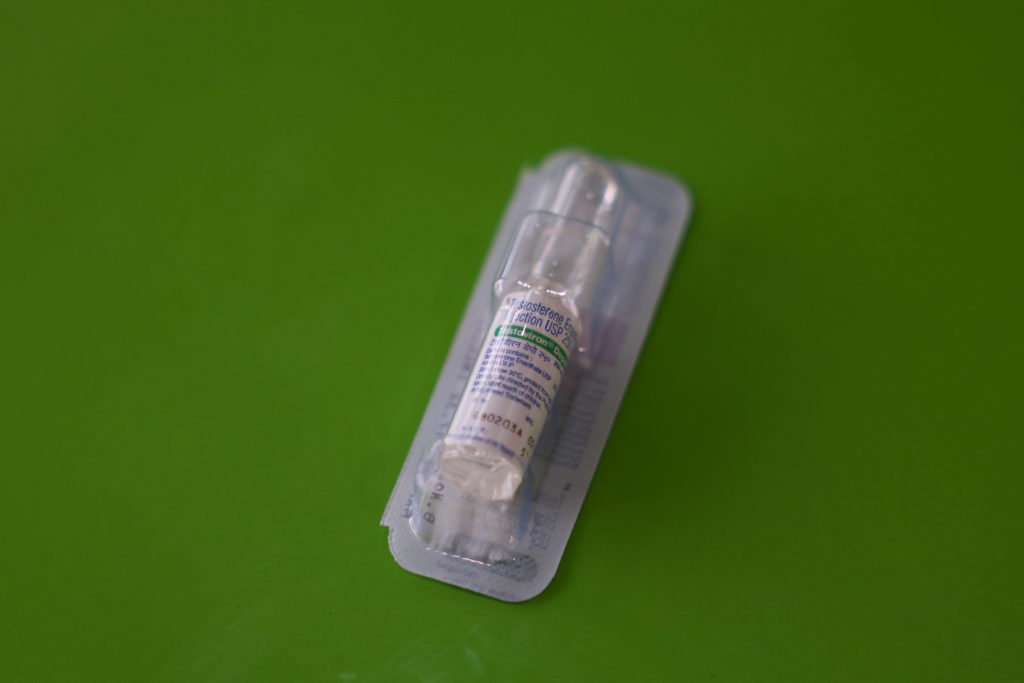
Defense Secretary Pete Hegseth announced a plan to annually test testosterone levels in U.S. service members. In a statement made on July 15, Hegseth emphasized the importance of a ‘High-T Department of War.’ He proposed that service members aged 30 and older would be tested during their standard annual health evaluations. Younger personnel can opt in voluntarily.
Hegseth clarified that if low testosterone is identified, individuals may choose to undergo testosterone replacement therapy. He highlighted that the initiative aims to enhance natural capabilities without artificial measures. Scientists express that defining optimal testosterone levels is complex, given differing standards based on age, sex, and various symptoms.
The Pentagon confirmed that screening will be mandatory for active duty and reserve personnel aged 30 and above. Variability exists in what constitutes healthy testosterone levels. For adult men, the Endocrine Society cites a typical range from 300 to 1,000 nanograms per deciliter. Studies corroborate these findings, suggesting a range from 264 to 916 nanograms per deciliter.
In women, testosterone levels are lower, ranging between 15 to 46 nanograms per deciliter, with variations due to age and other factors. Medical sources cite slightly broader ranges, emphasizing that natural fluctuations occur as people age, with men’s levels decreasing by about 1% to 2% annually from their early 30s.
“For people with borderline-low testosterone levels, a repeat test would show a normal range about 30% of the time,” according to Harvard Health.
Low testosterone, or hypogonadism, is diagnosed when a man shows symptoms like reduced libido or fatigue and consistently low blood test results. A benchmark of 280 to 320 nanograms per deciliter is commonly used. For women, diagnosis combines symptom observation with blood tests due to the low sensitivity of these tests.
Testosterone replacement therapy (TRT) seeks to raise testosterone levels. Forms include patches, injections, and gels. Treatment is personalized, often requiring regular administration. Endocrinologist Dr. Ravi Iyengar notes that the ideal therapy candidate has lab-confirmed low levels and deficiency symptoms.
TRT can improve energy, metabolic function, and libido. However, long-term therapy might necessitate continuous external hormone use. Risks include infertility, decreased sperm production, sleep apnea exacerbation, and blood clots. Women might experience acne or increased body hair growth when undergoing off-label treatments.
While no FDA-approved therapies exist for women, off-label treatments can address issues like low sex drive. TRT may also qualify as gender-affirming care, supporting someone’s gender identity. Such care extends beyond transgender individuals to include hormone treatments historically provided to manage bodily developmental concerns.
Gender-affirming treatments have been part of medical care for decades, supporting individuals in living comfortably within their gender identity. Professor Theodore Schall emphasizes that such care is essential for experiencing a full human life.
Leave a Reply