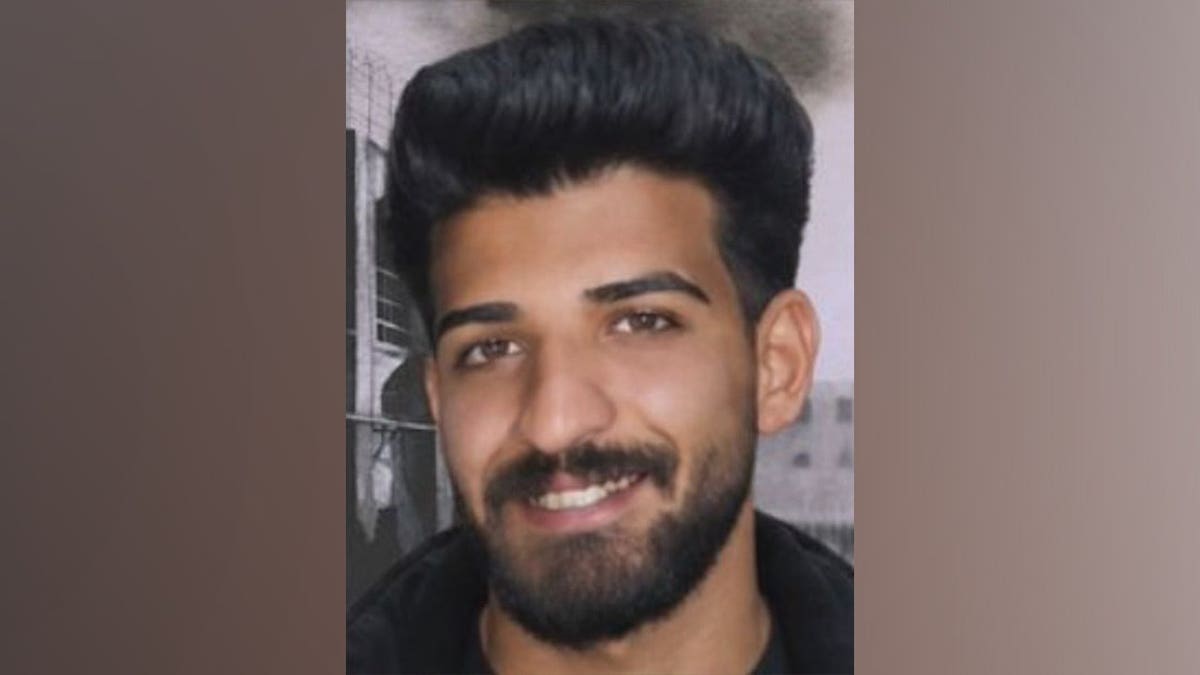
Iran executed two young men publicly over alleged involvement in January’s anti-government protests. The National Council of Resistance of Iran (NCRI), an opposition group, reported that security forces used tear gas on the crowd chanting ‘Dishonorable, dishonorable!’
Abolfazl Sepahi Badjani and Amirhossein Safari Hosseinabadi faced execution in Shahid Alikhani Square, Isfahan. Authorities accused them of crimes linked to protests on January 8, according to NCRI and Iranian state media.
The NCRI noted that onlookers opposed these executions, leading to tear gas deployment to disperse the crowd. Security agents were present on rooftops and nearby streets, as per the opposition group.
Iranian state media confirmed the executions, with the semi-official news agency Mehr stating they occurred in the presence of a group of people.
Maryam Rajavi, President-elect of NCRI, stated in a social media post that, fearing public backlash, the regime deployed suppressive forces in the area.
This marked a continued harsh crackdown on protesters arrested during widespread demonstrations starting in late December and heightening in January. Human rights organizations have criticized Iran for denying defendants due process and using forced confessions followed by swift executions.
The judiciary accused the executed men of killing four State Security Force members during January 8 protests. They faced charges of ‘enmity against God’, ‘corruption on Earth’, destruction of public property, and possession of firearms and Molotov cocktails, according to the judiciary’s Mizan news agency.
The NCRI alleged that the men were not allowed to select their lawyers, and their court-appointed attorneys were denied access to case files. The judiciary, however, countered that the defendants had legal representation, appealed their convictions, and faced conviction through various evidences.
These men were among 12 protesters sentenced to death in the Alikhani Square case. Two others, Erfan Esfandiari and Gol Mohammad Mohammadi, faced execution on July 19, bringing the case executions to four.
The U.N. experts raised alarms about imminent execution risks for remaining defendants. They stated that young men, mostly in their late teens and early 20s, faced arbitrary detention, enforced disappearances, and accusations of security force killings, arson, and vandalism.
Human Rights Watch revealed that at least 50 people faced execution over ambiguous national security charges. Amnesty International condemned public hangings as a method of social intimidation.
The protests began amid worsening economic conditions, sparking large-scale anti-government actions in Iran.
Leave a Reply