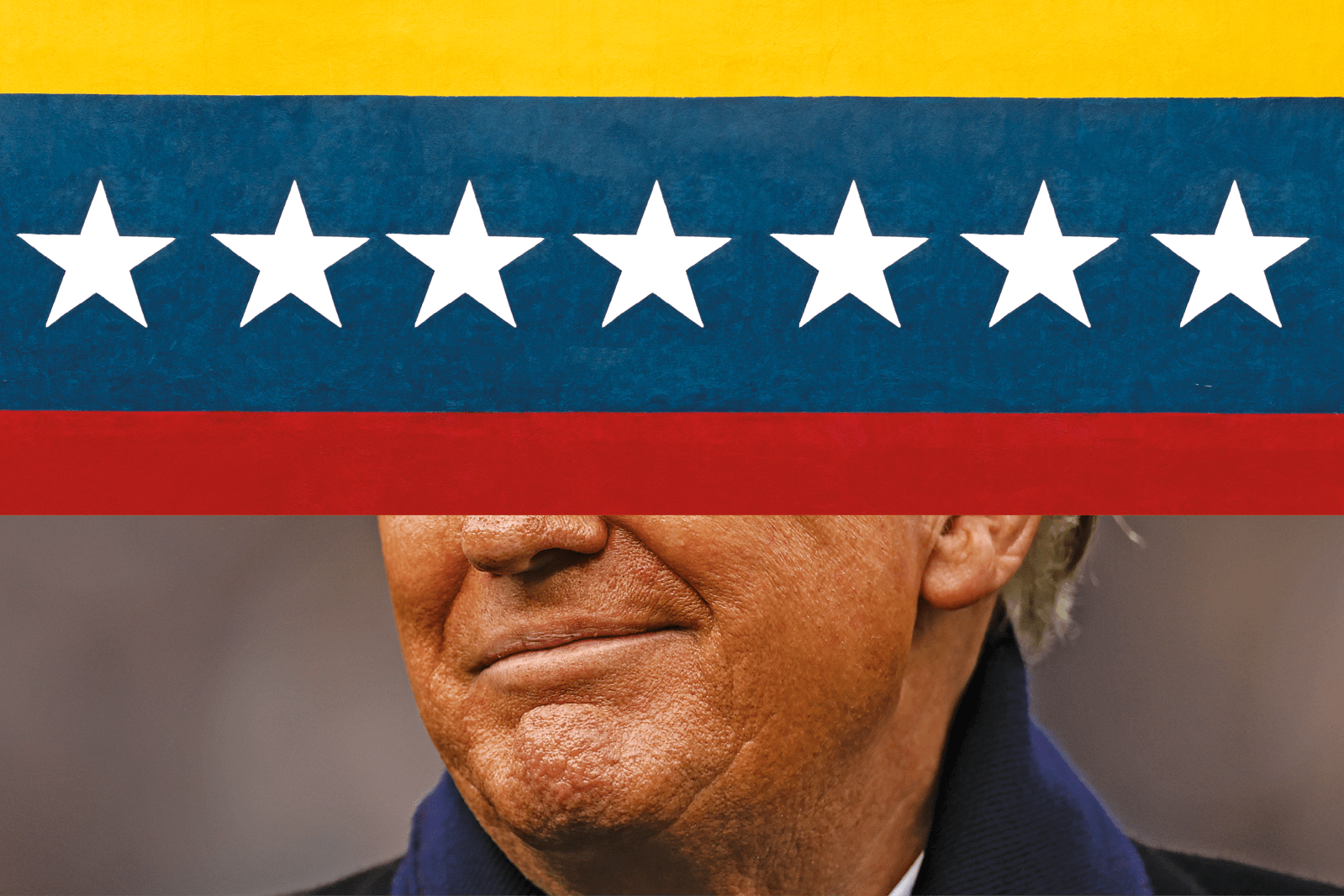
In January, President Donald Trump ordered an operation that led to the arrest of Venezuelan President Nicolás Maduro, bringing him to the United States to face narco-terrorism charges. The move invited criticism. Adam Smith, a Democratic member of the House Armed Services Committee, warned against military interventions, citing the outcomes in Iraq and Libya. Jim Himes compared the situation with past U.S. military actions, such as the fall of the Taliban in Afghanistan, Saddam Hussein in Iraq, and Muammar Qaddafi in Libya, which had left long-term repercussions.
Secretary of State Marco Rubio dismissed these concerns, emphasizing the mission’s unique context. Despite initial fears of ensuing chaos, the situation in Venezuela remains stable six months after the intervention. American troops are present, and Venezuelans are engaging positively with them. Companies like Shell and SLB have returned, and significant political changes have occurred, including the release of over 670 political prisoners and the resumption of political activities by opposition parties.
Gaby Arellano, a Venezuelan opposition figure, noted a decrease in repression since January. Exiled leaders such as Lester Toledo and Carlos Ocariz have returned, and media coverage is showing greater diversity in its reporting.
A Natural Disaster’s Impact
On June 24, Venezuela was struck by two earthquakes, magnitudes 7.2 and 7.5, leading to over 5,000 deaths and more than 18,100 people missing. The disaster caused extensive damage to critical infrastructure, with rebuilding costs estimated between $12 billion and $20 billion.
Venezuela now faces a reconstruction challenge. Comparisons to Chile, which rebuilt quickly after a strong earthquake in 2010, and Haiti, still struggling after a weaker quake that year, highlight varying outcomes based on government response.
In response, the U.S. has been delivering aid consistently. American soldiers are aiding relief efforts and distributing supplies. This aid, combined with U.S. intervention, has garnered increased trust among Venezuelans toward the United States.
Recovery and Investment
The situation offers a unique opportunity for investors in sectors like oil, energy, and technology. Legal reforms have opened the oil industry to private operators, attracting investments and increasing production. Investors like Jesse Cole see potential in various sectors beyond oil, such as fintech and tourism.
Political and economic shifts have raised hopes among Venezuelans. Public trust in the United States and foreign investments has grown, especially since January’s changes. However, the economic hurdles remain significant, with Venezuela preparing for a historic sovereign debt restructuring.
While the earthquakes reduced growth forecasts, the main oil-producing regions were not severely impacted, encouraging continued investment.
Political Dynamics
Efforts to unify and stabilize Venezuela’s democratic institutions are ongoing. The U.S. supports Venezuelan-led initiatives aiming for political transition. Although interim leadership works to maintain stability, opposition leader María Corina Machado remains absent from negotiations, despite significant public trust.
Patience is central to U.S. strategy, encouraging democratic progress. Yet, as political analyst Oswaldo Ramirez noted, patience is not unlimited.
Ronal Rodríguez from Universidad del Rosario sees Venezuela’s current state as an economic opening rather than a democratic transition. While Maduro’s departure has not triggered sweeping democratic reform, opportunities and challenges in Venezuela continue to evolve.
Leave a Reply