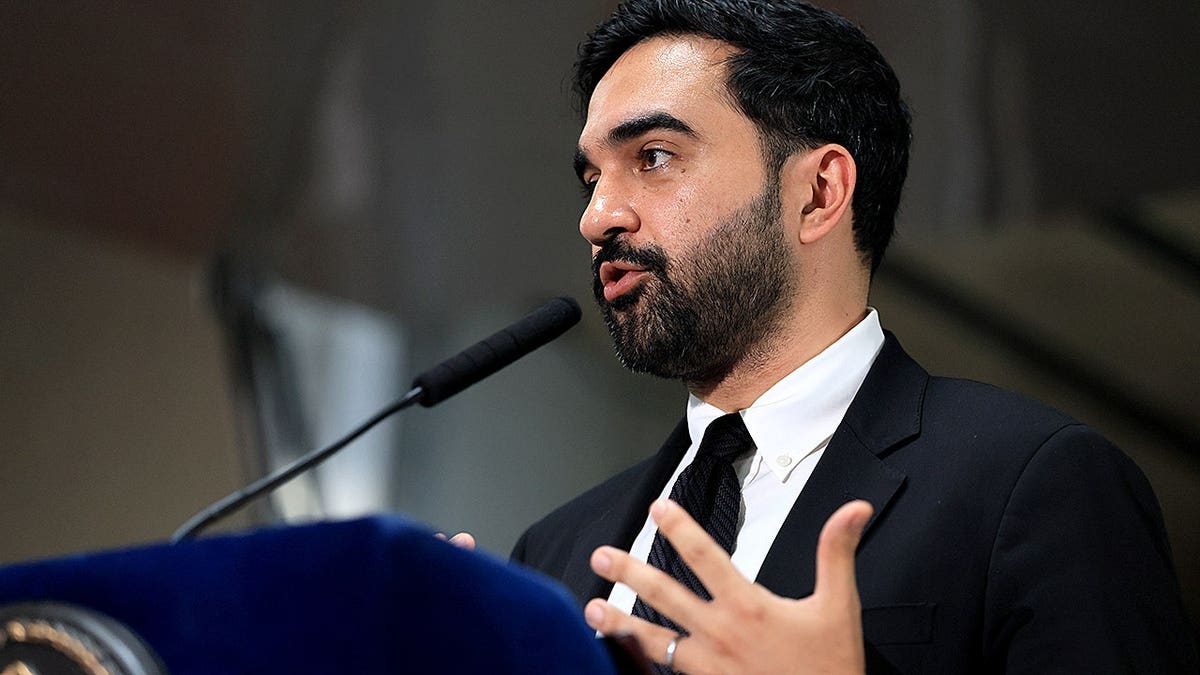
New York City Mayor Zohran Mamdani recently discussed the possibility of cash reparations for individuals affected by slavery in New York City. This came during an interview with Charles Blow for “The Root.” When queried about his stance, Mamdani emphasized that he awaits the recommendations of a city commission focused on this issue.
Mamdani previously stated that New York City actively participated in the slave trade and perpetuated its effects through discriminatory systems. He expressed his commitment to acknowledging the city’s history and is eager to see the commission’s findings. The New York City Commission on Racial Equity (CORE) was created under Local Law 92 in 2024. Its mission is to examine how city government contributed to slavery and its aftermath.
Another process, established under Local Law 91, addresses “Truth, Healing and Reconciliation” allowing New Yorkers to recognize the history and impact of slavery. According to CORE’s timeline, the final reports on these studies will be out by mid-2027, with implementation expected by June 2028.
Linda Tigani, chair and executive director of NYC CORE, remarked on New York’s significant involvement in slavery. She highlighted Wall Street’s history in trading enslaved individuals and acknowledged the need for repayment and addressing the racial wealth gap stemming from slavery’s legacy.
The commission criticized Mamdani’s Preliminary Citywide Racial Equity Plan, stating it did not fulfill NYC charter requirements. Tigani emphasized the need for city government accountability in addressing racial equity.
CORE’s findings suggest that Mamdani’s plan lacks a comprehensive racial equity strategy and clear metrics for outcomes. Despite this, gatherings and rallies hosted by CORE, including a Juneteenth event, highlight the community’s commitment to advancing reparations discussions.
Political strategist Tyrik Washington believes that if reparations were implemented, significant progress in pay equity and reduced occupational segregation would be evident within a decade.
A CORE progress update in January reported $500,000 allocated to community groups in 2026. These funds support discussions on developing a Reparations study and the Truth, Healing, and Reconciliation plan, providing incentives and covering participant costs.
Leave a Reply