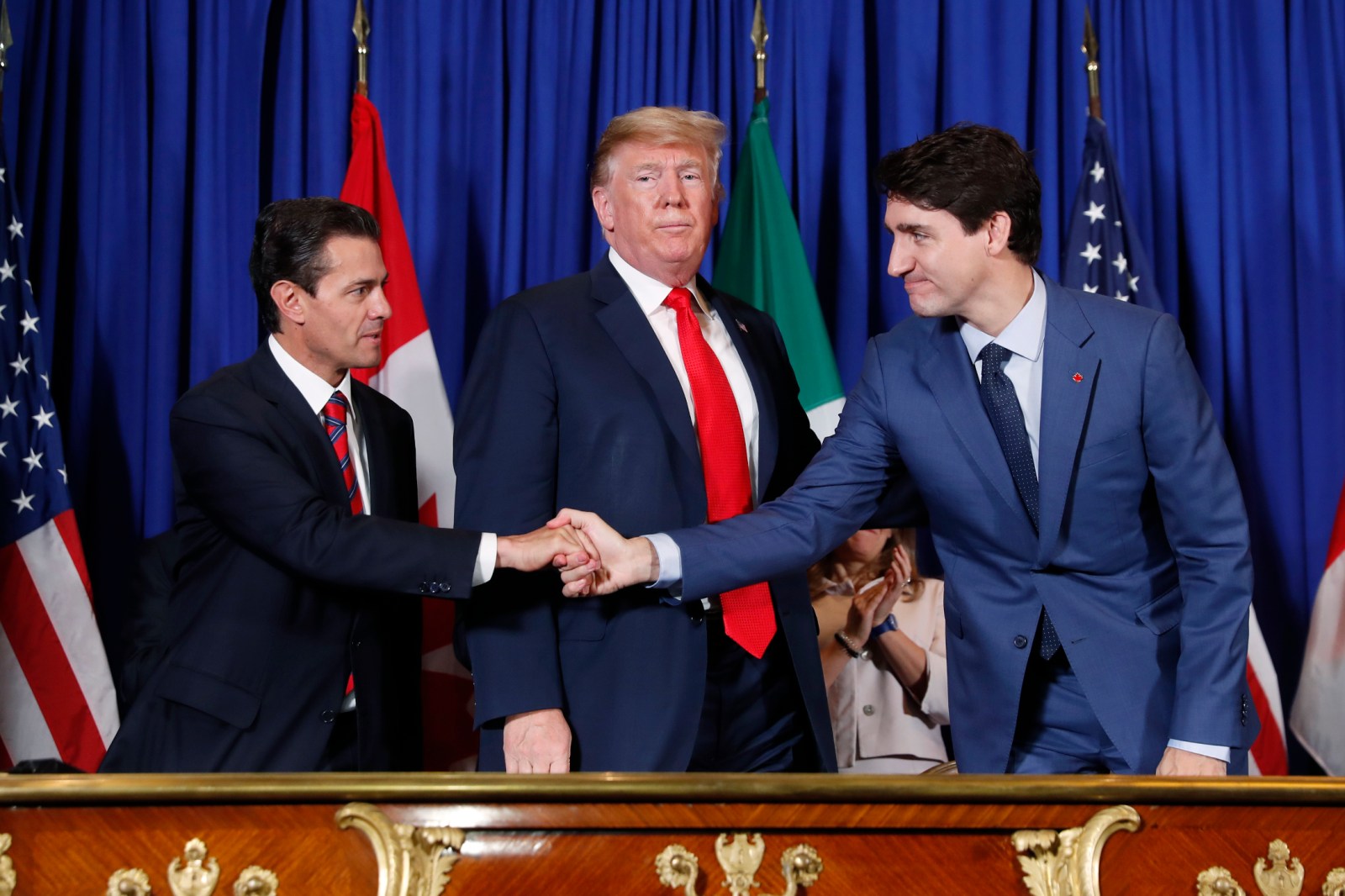
Negotiations between the United States, Canada, and Mexico regarding the United States-Mexico-Canada Agreement (USMCA) are ongoing. The discussions largely center on tariffs, rules of origin, and the bargaining power of each country. Trade negotiations naturally encourage comparisons and analyses.
The fundamental question, however, is not which country can secure better terms or concessions. Instead, it is about whether the United States is beginning to undervalue the foundations of its own economic and strategic advantages.
The Economic Success of North America
For over three decades, North America has stood as a testament to economic success. Canada, the United States, and Mexico created integrated supply chains, increased cross-border investments, and fostered significant cooperation. These achievements were not achieved by merely lowering tariffs; governments established institutions that assured businesses and investors that the rules would remain stable over time.
Current Negotiations and Their Implications
Washington’s decision not to renew the USMCA in its current form does not terminate the agreement. While negotiations proceed, the agreement remains in effect. The introduction of uncertainty into the legal and institutional framework, however, increases the unpredictability of North American trade integration.
“What businesses struggle with is uncertainty.”
Trade agreements are more than tariff schedules and technical rules. They are legal commitments that create predictability, which businesses rely on to make significant investments. Uncertainty can hinder economic growth, as businesses hesitate to invest without reliable frameworks.
Lessons from the Gordie Howe International Bridge
The opening of the Gordie Howe International Bridge highlights the importance of stable frameworks. Conceived as an investment in North America’s integrated economy, it plays a crucial role in the Windsor-Detroit trade corridor. However, disputes over tariffs and revenues have overshadowed the celebration of cross-border cooperation.
Predictability and Economic Resilience
As the United States aims to reduce reliance on China and strengthen domestic manufacturing, predictability becomes crucial. While hard bargaining is part of negotiations, the potential strategy of using uncertainty poses risks.
If businesses and governments sense unpredictability, they may delay investments, diversify risks, and seek alternatives. These adjustments might not be visible immediately but gradually influence investment decisions and strategic planning.
The Strategic Role of Stability
Throughout the postwar era, America’s strength lay in its ability to build trusted institutions. Stable rules foster long-term cooperation, providing strategic advantages that individual countries cannot achieve alone.
Other countries, such as China, can subsidize and expand their industries. However, replicating a continent with interconnected markets and longstanding legal cooperation is far more challenging. Geography gave America Canada and Mexico; strong institutions turned geography into competitive strength.
The ongoing USMCA negotiations will define more than just a trade agreement. They will reflect whether the United States views predictability as a key strategic asset, alongside economic and military power.
Faisal Kutty is a law professor at Southwestern Law School, affiliated with the Rutgers Center for Security, Race and Rights, and a contributing editor for the Washington Report on Middle East Affairs. The opinions in this article are his own.
Leave a Reply