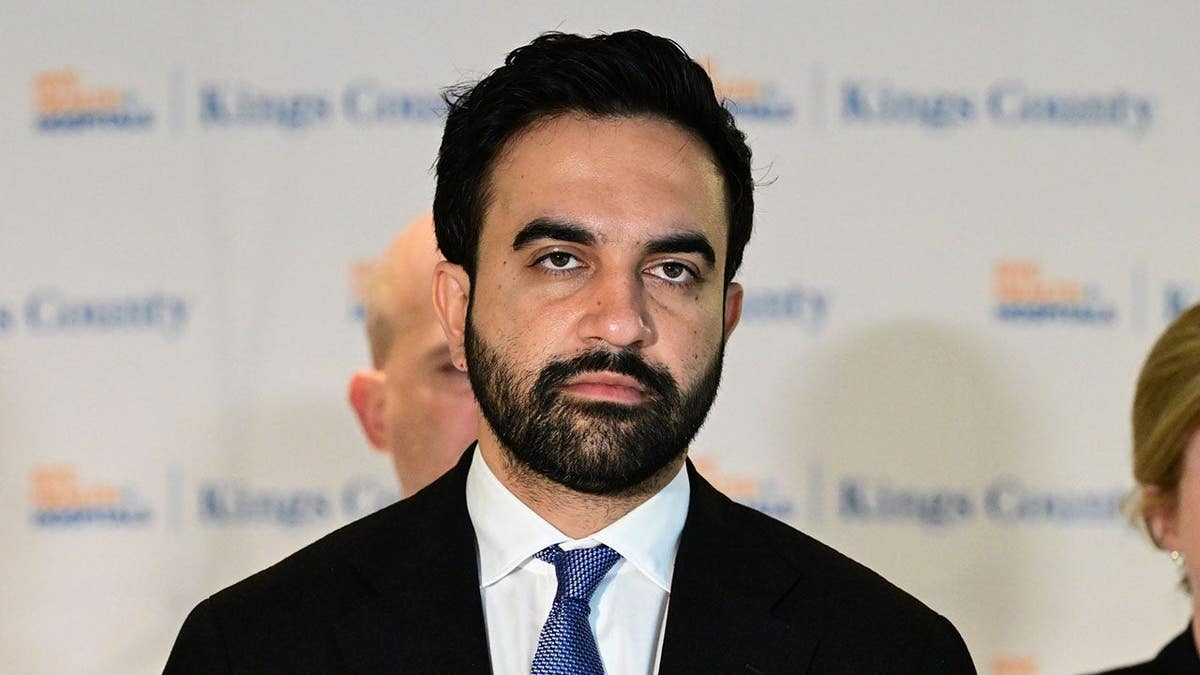
Prominent podcaster and NYU professor Scott Galloway has criticized New York City Mayor Zohran Mamdani’s decision to release a publicly accessible database of affluent property owners. The database aims to identify those who might be subject to the city’s proposed pied-à-terre tax, a move that Galloway and others argue could expose individuals to harassment and safety risks.
The city’s Department of Finance published this searchable database, which includes the names and addresses of owners of non-primary residences potentially affected by the new tax. A spokesperson for the department stated that the publication was required by state law.
On his podcast “Pivot,” Galloway expressed his concerns about the database, likening it to doxing—a practice of publishing private information to expose individuals to public pressure or harm. Although he supports the tax itself, Galloway criticized the method by which the information was released, suggesting it creates a “wanted poster” for property owners. He questioned the purpose of publishing such a list when its main consequence might be endangering individuals, particularly following past violent incidents.
Galloway, who supports a progressive tax structure, argued that the database feeds into conservative narratives about taxation as persecution of the successful. He emphasized that New York should celebrate success rather than demonize it, noting that many people move to the city with aspirations of succeeding in various fields.
The Real Estate Board of New York (REBNY) also voiced concerns, with President James Whelan commenting on the complexity and inaccuracy of the database’s implementation. He highlighted issues with determining who the tax applies to.
Mayor Mamdani defended the database, stating that property tax rolls have been regularly published in accordance with state law for many years. He clarified that the recent property roll reflects all New York City properties, not exclusively those subjected to the pied-à-terre tax. He also noted that the roll would be used to identify second-home properties for the proposed surcharge.
The city’s actions align with common practices across other cities like Nassau, Buffalo, and Rochester, which also release similar tax roll information. Governor Kathy Hochul and other officials reiterated that the release of this information is not new.
Leave a Reply