Background and Overview
California’s High-Speed Rail Authority has struggled to meet crucial deadlines to purchase its trains, a key factor in losing $4 billion in federal funding a year ago. More than a year and a half after the original deadline, the authority still cannot specify when it will award the contract. The current status is ‘TBD.’ Approved by voters in 2008, the project intended to connect San Francisco and Los Angeles with speed, offering a journey under three hours using trains capable of 220 mph. Currently, there is no direct line, and the trip takes between 10.5 to 12 hours.
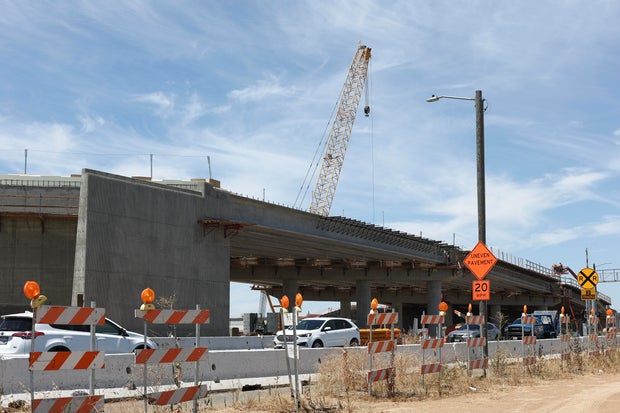
The current plan focuses only on the Central Valley middle section—a 171-mile stretch between Merced and Bakersfield. This area was chosen for easier construction, avoiding tunnel drilling. High-speed rail service is estimated to reduce travel time from three hours to half by 2033.
Federal Funding Withdrawal
In July 2025, the Trump administration retracted $4 billion in federal funding due to California’s failure to lay any tracks despite spending $15 billion over 16 years. Transportation Secretary Sean Duffy emphasized that federal dollars require results. Federal officials saw ‘no viable path’ for timely completion, criticizing California’s reduced plan.
Governor Gavin Newsom called the withdrawal a ‘political stunt to punish California,’ and state Attorney General Rob Bonta sued to stop the federal action. However, California dropped the lawsuit six months later, without providing an explanation. Investigations reveal that the rail authority missed its own deadlines for purchasing trains, undermining its legal stance.
Continuous Deadline Misses
California High-Speed Rail failed to meet the Dec. 31, 2024, trainset contract deadline in the federal grant agreement. The Trump administration pointed to this failure as evidence of underperformance. The state’s lawsuit was quietly dismissed amid the missed deadlines.
Promises made by the High-Speed Rail in court regarding the Dec. 1, 2025, deadline also went unmet. They canceled the board meeting where the contract was expected to be approved, weakening their argument of reliability in completing the project.
Progress and Accountability Issues
Despite claims of progress, actual high-speed rail tracks remain unlaid. The state has only constructed a facility to store materials needed for future installation. Inspector General Ben Belnap confirmed no high-speed tracks have been laid yet.
By June 2026, California promised track laying by the year’s end. A team was approved to build the track, but the business plan lacked a status update on train procurement.
Recurrent deadline misses raised accountability issues. Trains are essential for testing systems. Manufacturing and procurement delays hinder the timeline.
Ongoing Challenges
In August 2023, approving the trainset procurement began a four-year countdown for train readiness and testing. Originally set for delivery in 2028, train prototypes have been delayed. Changing train specifications initiated by CEO Ian Choudri contributed to procurement delays. Board member warnings about potential procurement cancellation went unaddressed.
California’s missed procurement dates compress the schedule, making timely project delivery challenging. Federal officials have flagged the risk, citing unreliability in meeting deadlines, while questioning management efficiency.
The Senate Commerce Committee reported waste of federal funds and mismanagement due to delays.
Authority’s Response and Political Backdrop
The High-Speed Rail Authority did not answer questions about its missed deadlines. Instead, it defended compliance and emphasized no fraud or compliance issues found during earlier federal reviews. The loss of federal funding was described as an opportunity, but no clear plan for train procurement was shared.
State officials like Newsom and U.S. Sen. Adam Schiff criticized the funding cut, emphasizing the importance of responsible spending and non-partisan collaboration to fulfill transportation needs. Sen. Alex Padilla expressed ongoing support for funding, highlighting Trump’s adversarial stance towards California.
Leave a Reply