Once a region marked by conflict, western Colombia now offers a haven for birdwatchers thanks to its diverse avian population. Colombia boasts around 2,000 bird species, the highest in the world, attributed largely to its varied geography and years of civil unrest. The war discouraged human encroachment, preserving the natural habitats.
Following a pivotal peace accord with FARC in 2016, previously hazardous areas became accessible. Ecotourism has burgeoned, now a vital industry contributing millions to Colombia’s economy. Birders frequent the Andes’s western slopes, particularly Tatamá National Park, a lush rainforest enriched by powerful rivers and vibrant flowers.
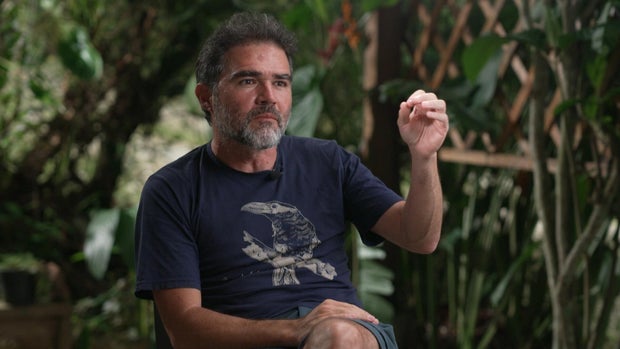
The park is one of the wettest global spots, teeming with an avian spectacle. Among its visitors is Diego Calderón Franco, a renowned birding guide, who enlightens others about species like the Blue-grey tanager and the Cinnamon fly-catcher. Anderson Cooper joined Franco in observing a violet-tailed sylph and a velvet-purple coronet, marveling at their striking colors and behaviors.
Birdwatching reveals fierce territorial disputes among hummingbirds, despite their innocent appearance. Franco, deeply familiar with the park’s species, mimics their calls with precision, inviting onlookers like Cooper to a journey reminiscent of Victorian-era exploration. Such undiscovered species still abound, offering a sense of adventure.
A troubling past limited exploration—illegal armed groups safeguarded habitats unintentionally. Diego Calderón Franco endured personal trials during these turbulent times, even kidnapped by FARC while on an expedition. His passion for birds provided solace amid captivity, where he documented sightings on cigarette paper, ultimately freed via ransom.
Franco later launched birding tours, partnering with Michelle Tapasco, who managed a farm turned ecolodge. She capitalized on birding’s appeal, overcoming adversity following the tragic kidnapping of her partner. Her establishment, Montezuma Rain Forest Ecolodge, supports birders and her family, despite initial skepticism.
Colombia, hosting over 160 hummingbird species, showcases remarkable avian capabilities. These birds fly swiftly in varied manners, their intricate wing movements a wonder. With peace, former FARC combatants transformed into forest guides, their newfound appreciation for wildlife healing past tensions.
Amid political disturbances, tourism flourishes. Anderson Cooper encountered birders Garry George and Joseph Brooks, devoted to their ‘life list’—cataloging worldwide avian encounters. Their tattoos depict feathered favorites like the satin bower bird, encapsulating a life’s journey chasing elusive jewels like the Chami Antpitta.
Challenges persist globally, as deforestation and development threaten avian populations. Yet at Montezuma Lodge, Tapasco aims to expand protected land. Her daughters embrace related career paths, evidencing birds’ profound impact on their lives.
During a last outing, Cooper glimpsed the unique Gold-ringed tanager within Tatamá’s bounds. This keystone species aids seed dispersion, enriching biodiversity. Witnessing such marvels verifies the rarity of the experience in the remote Andes. Birdwatching in Colombia indeed reveals rare spectacles.
Leave a Reply