Thousands of Moroccans were drawn to the border with Ceuta, Spain, driven by rumors spread through social media suggesting that the border was open. The spread of misinformation led to an unprecedented wave of migration attempts.
Social Media’s Role
In the Moroccan city of Larache, social media buzz fueled the belief that crossing into Europe was possible. An Instagram account named Haraga Ceuta claimed the border was open, leading to a rush as young migrants sought to enter Spanish territory.
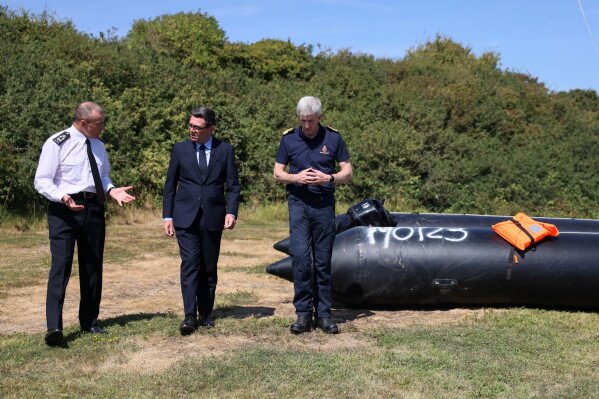
Online platforms played a significant role. A TikTok video showcased swimming routes. Facebook groups shared coast guard movement information. Some migrants prepared for their journey by purchasing inflatable boats and wetsuits.
Chaos and Casualties
Mass chaos and tragedy unfolded at the concrete breakwater in Ceuta. Migrants scrambled to climb onto land, causing a dangerous crush. Authorities reported that over 80 migrants died on both sides of the border due to drownings and stampedes.
Migrants described harrowing experiences. Lahcen Kalouch, a Moroccan migrant, spoke of climbing over dead bodies in the melee.
Misinterpretation of Spanish Policies
Confusion over Spain’s immigration policies contributed to the rush. Some migrants believed they qualified for recently regularized immigration measures. However, these were intended for those legally residing in Spain before January 1, not new arrivals.
Prime Minister Pedro Sánchez’s policies were misunderstood, leading migrants to falsely believe they could obtain jobs and documentation upon reaching Ceuta.
Authority Responses
Reports from Moroccan and Spanish authorities blamed human smugglers for the crisis, but migrants rejected these claims. Many insisted they crossed of their own volition, motivated by misleading social media information.
Moroccan and Spanish governments pointed fingers while noting joint efforts to combat smuggling networks.
Economic Struggles Fuel Migration
Morocco’s economy shows growth, yet youth unemployment persists. For many young Moroccans, migration represents hope for a better future. Accounts of relatives returning with wealth foster dreams of reaching Europe.
A 16-year-old migrant illustrated the personal impact of misinformation as he recounted his desire to support his mother and the disappointments faced during his attempt to cross the border.
Economic inadequacies coupled with online misinformation influenced thousands to undertake perilous migration attempts, exposing deeper issues in the region.
Leave a Reply