Renewed Calls to Address Industry Profits
Oil companies and California refiners have reported substantial earnings in the second quarter, sparking demands from state legislators for regulatory measures on industry profits. Marathon Petroleum, listed as the second-largest refiner in California, disclosed a profit of $5.1 billion, vastly exceeding the previous year’s performance in the same quarter. This surge follows the tightening of fuel supplies amid the Iran conflict, leading to increased oil and gas prices.
Chevron and Other Refiners Post Impressive Gains
Chevron, recognized as the biggest refiner and second-most significant oil producer in California, achieved a profit of $12.1 billion, marking its highest earnings in a six-year timeframe. PBF Energy and Valero also reported impressive profits, with Valero earning $3.7 billion, a dramatic increase from its prior year’s figures. State Senator Josh Becker (D-Menlo Park) criticized these profits as “obscene,” alongside fellow Senator Benjamin Allen (D-Santa Monica). Together, they have introduced legislation empowering the state attorney general to address wartime price gouging.
“There’s this notion that these companies can’t run profitably in California or whatever their excuses are, but these are obscene profits and we need to do what we can,” Becker stated.
Oil Companies Attribute Profits to Global Operations
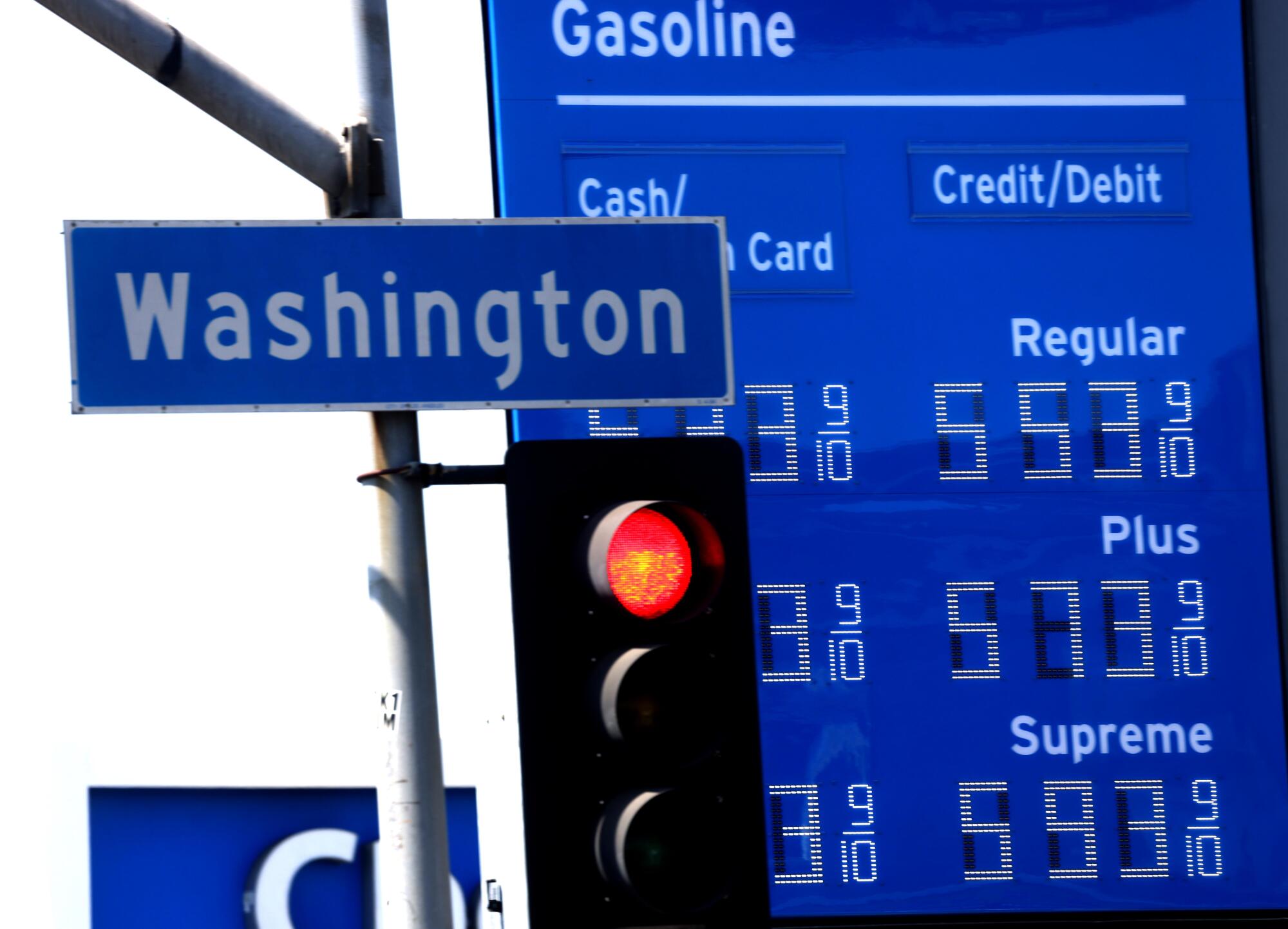
Chevron attributed its results to its global reach and previous investments, stating it responded to consumer demand by increasing energy production by nearly 20% and running refineries at about 97% capacity during the second quarter. Price spikes have heavily impacted drivers, with U.S. gas prices seeing increases of 30% to 50% since the conflict began. In California, gas prices persist in remaining above $5.60 per gallon, despite historical highs before the war.
Legislation Addressing Fuel Standards and Market Dynamics
State legislators propose changes to California’s cleaner-burning fuel standards, initially established in the 1990s to combat air pollution. Refiners often cite these standards, among other environmental prerequisites, for the high gas prices in California. Senator Henry Stern (D-Los Angeles) has proposed facilitating the sale of regular gasoline while charging fees to support electric vehicle rebates.
The Western States Petroleum Association opposes this motion, suggesting it would unfairly penalize refiners who have invested in cleaner fuel production. According to their June statement, this proposal could deter investment and undermine fuel affordability or reliability.
Evidence and Measures Against Price Gouging
Senator Becker focuses on evidence of price gouging within California, where limited refinery operation serves a relatively isolated market. Drawing from Consumer Watchdog’s findings, he revealed that California’s gas prices exceeded the national average significantly following the Iran war.
The California Energy Commission, however, claims price increases align with national trends, highlighting higher California rates because branded stations charge significantly more than unbranded ones.
Legal and Legislative Actions
The oil and gas industry’s lobbying efforts reached over $17 million this year in California. A federal class-action lawsuit filed by drivers accuses major gas chains of using AI software for collusion in keeping pump prices elevated. Legislative proposals from Congress Democrats, including California’s Sen. Adam Schiff and Rep. Brad Sherman, target windfall profits.
Consumer Watchdog President Jamie Court endorses Becker’s bill but criticizes underutilization of a law allowing the California Energy Commission to cap refinery profits signed by Gov. Gavin Newsom in 2022.
Challenges and Potential Impacts
Research forecasts potential increases in oil company profits linked to refining due to geopolitical instability and crude oil scarcity. Companies mostly retain these windfall profits, avoiding production reinvestment.
Leave a Reply