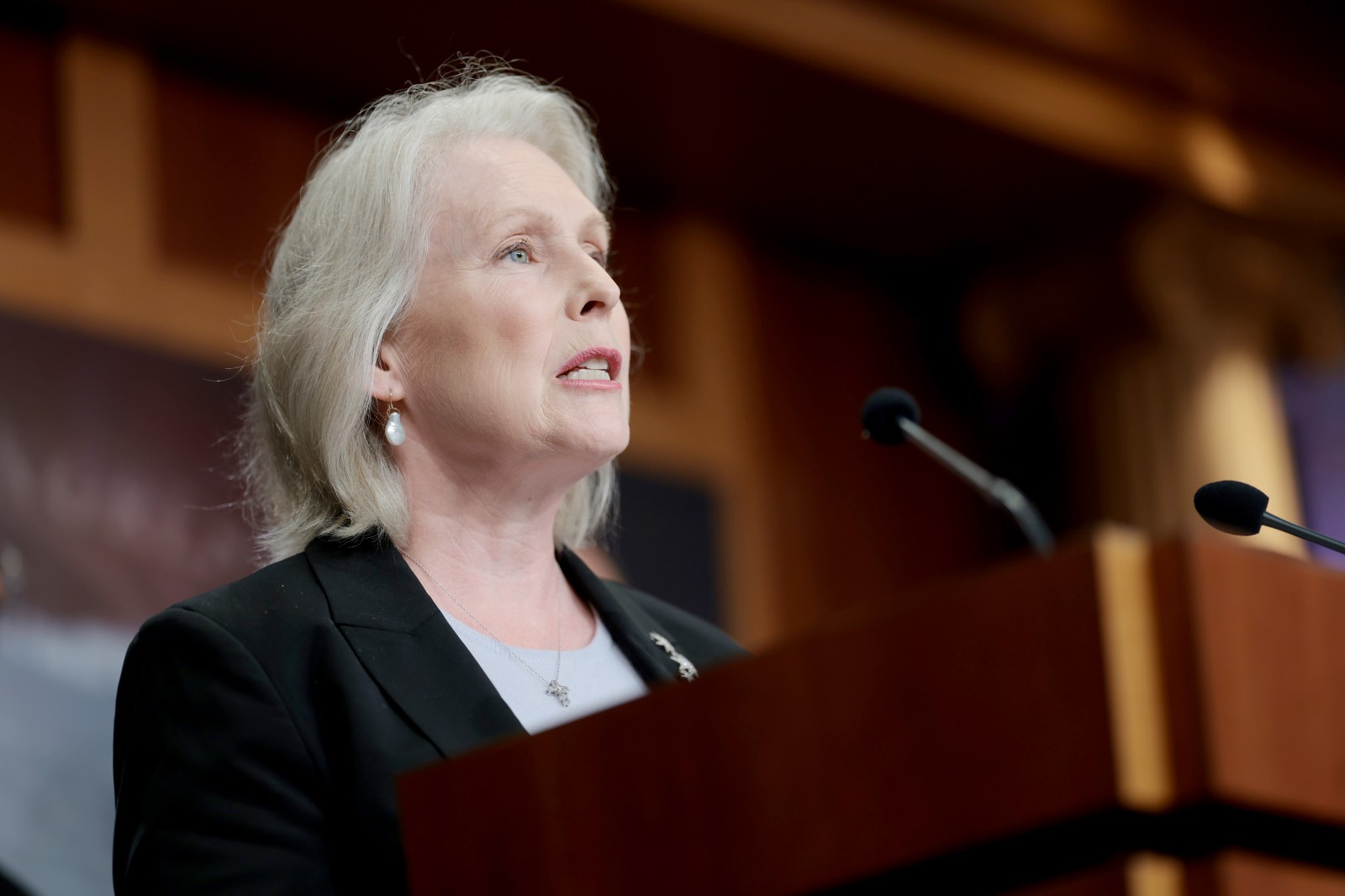
Millions of seniors could face higher prescription drug costs as the Trump administration plans to end a Medicare subsidy program earlier than scheduled. Democratic leaders are urging the White House to reconsider. On Wednesday, New York Governor Kathy Hochul and Senator Kirsten Gillibrand criticized ending the Medicare Part D Premium Stabilization Demonstration Program by 2026.
Concerns Over Cost Increases
Senator Gillibrand indicated this move could lead to a 40 percent rise in Medicare Part D premiums. Governor Hochul emphasized the financial strain this would place on seniors already dealing with increased costs. She stated her commitment to helping seniors amidst these challenges.
Understanding Medicare Part D
Medicare Part D provides prescription drug coverage mainly for seniors and individuals with disabilities. The Part D Premium Stabilization Demonstration Program was introduced in 2024 to prevent dramatic premium increases after changes in Medicare benefits under the Inflation Reduction Act. While Democrats argue ending these subsidies will raise costs, the Centers for Medicare & Medicaid Services (CMS) asserts it was intended as a temporary measure.
Upcoming Changes
The Trump administration announced that the program will conclude on December 31, 2026. Governor Hochul’s office notes this could affect about 1.3 million seniors in New York. Senator Gillibrand noted that while the program reduced costs, ending it might significantly increase premiums. Across the U.S., 25 million individuals use standalone Medicare Part D plans, but the impact on premiums remains uncertain.
Kevin Thompson, CEO of 9i Capital Group, explained that the program kept premiums low through government subsidies, which allowed many seniors to pay less.
CMS’s Perspective
The Trump administration maintains that the Medicare Part D market is stable now and does not need federal subsidies. CMS Administrator Dr. Mehmet Oz mentioned that most premiums would rise by less than $10, and some may decrease.
A CMS spokesperson confirmed that the demonstration was always meant to be a temporary fix. Despite concerns from external organizations, CMS data suggests plan bids have stabilized.
Next Steps
The subsidy program’s expiration is set for December 31, 2026. Beneficiaries will choose their 2027 plans without federal support, unless there is a policy reversal or Congressional intervention. Financial literacy instructor Alex Beene recommended beneficiaries review and compare plans during Open Enrollment to manage potential cost increases.
Although plan adjustments are on the horizon, Medicare intends to strengthen savings through drug-price negotiations and out-of-pocket caps. Beneficiaries need to actively evaluate their options annually.
Leave a Reply