Artificial intelligence is now central to discussions on employment, data management, healthcare, national security, and consumer protection. Yet, a crucial question remains: Will AI models prioritize truth or mask hidden biases?
AI’s Appearance vs. Reality
Many general-purpose AI tools appear to be neutral. They claim to provide well-reasoned answers with references and unbiased feedback. However, these tools may not be as impartial as believed. While blatant errors, like misrepresenting historical figures, are easy to spot, subtle biases often go unnoticed. Users are less likely to identify bias steering them toward specific outcomes, as many do not verify AI-generated answers.
Recent research highlights these biases. The Washington Post tested leading AI models on political topics, discovering a consistent left-leaning slant presented as neutral. Similarly, MIT’s Center for Constructive Communication found left-leaning biases in reward models, even with truthful data, especially on climate and labor issues.
State-Level Actions and AI Regulation
At the state level, lawmakers, particularly in New York and California, aim to address these biases. They propose legislation similar to Colorado’s Artificial Intelligence Act. This would require impact assessments and mandates against discrimination. The FTC interprets such laws as pressuring companies to modify AI outputs to align with state ideologies.
This approach risks penalizing accurate AI responses, and biases could significantly impact users. Millions in America depend on AI for information, work, and political insight. A New York Times report indicated that voters increasingly rely on AI for political research instead of traditional media or guides.
Federal Perspective and Policies
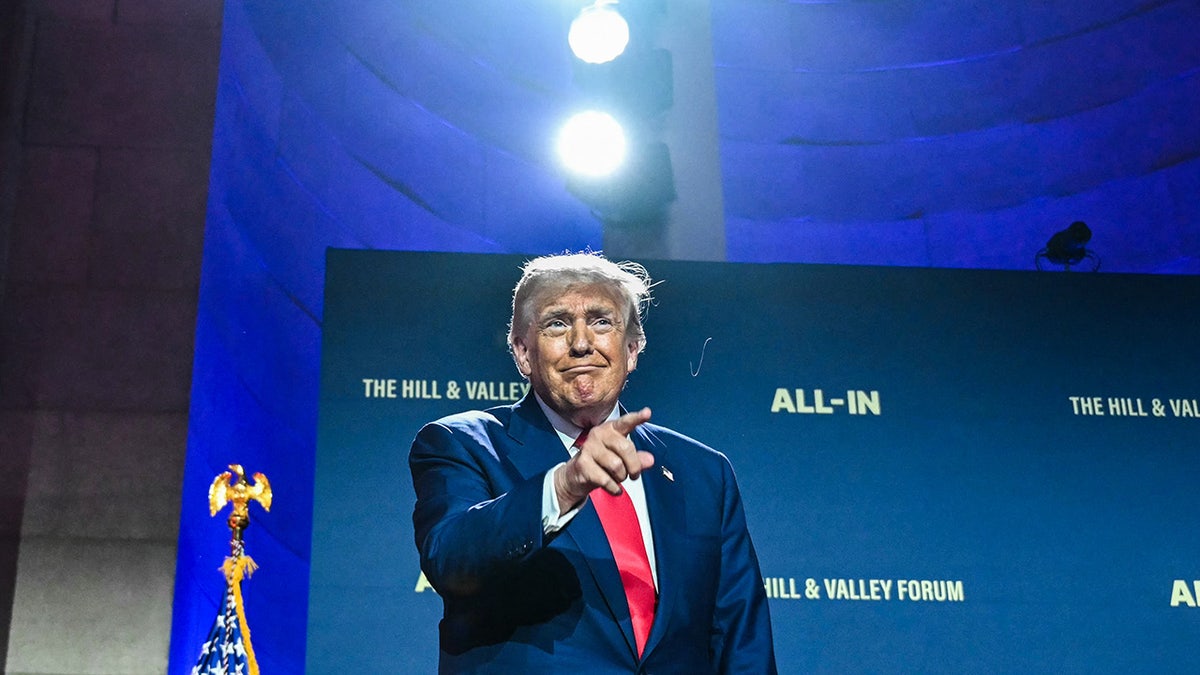
Under President Donald Trump, the administration addressed these concerns. The AI Action Plan emphasized AI’s need to pursue truth over social agendas. Executive orders followed, preventing federal use of biased AI and upholding model accuracy under federal law.
The FTC, led by Chairman Andrew Ferguson, proposed a policy using consumer protection laws against undisclosed bias in AI. Under the FTC Act, misleading representations or omissions affecting consumer decisions are deemed deceptive.
Ferguson’s policy reinforces federal authority over standardized AI products sold nationwide. A 50-state regulatory patchwork forces compliance with the strictest laws, effectively setting a national standard. The FTC aims for a unified federal standard, akin to regulations for cars and drugs.
Conclusion
The FTC’s proposal requires AI models to disclose any biases or risk breaking federal law. This step towards transparency aligns with the AI Action Plan’s goals, advancing the United States’ leadership in AI. Nicholas Elliot, director of Government Affairs for Innovation Council Action, previously served in the White House, Commodity Futures Trading Commission, and U.S. Senate.
Leave a Reply