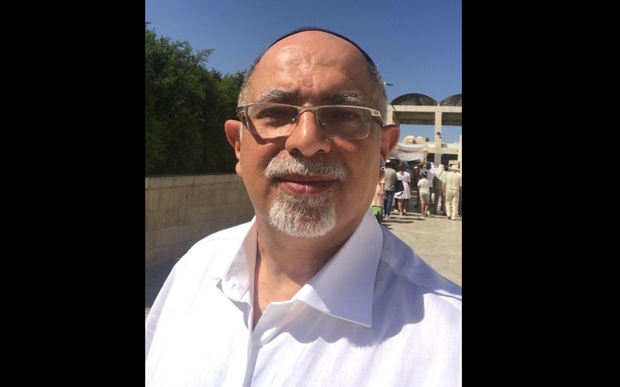
This week, CBS News released a recording from Reza Valizadeh, a U.S. citizen detained in Iran’s Evin Prison. Valizadeh, a dual Iranian American, last communicated in June. According to his lawyer, Ryan Fayhee, Valizadeh wants his statement made public.
Valizadeh is among five U.S. citizens held in Iran. Two are in Evin Prison. The others face exit bans, preventing them from leaving the country. In his recording, Valizadeh mentions his condition and that of fellow American Kamran Hekmati. Hekmati was recently forced back to prison after a short medical leave.
Hekmati, a Jewish Iranian-American from New York, sought medical care for suspected recurrent cancer. However, he was denied chemotherapy. Arrested post the 2025 Israel-Iran war, he faces charges linked to past travel to Israel. The State Department views both Hekmati and Valizadeh as wrongfully detained.
Valizadeh, formerly with Radio Free Europe’s Persian service, has been in prison since 2024. Iranian authorities have barred his family from visiting for the last five months, a move he believes is punitive. Of greater concern is a prisoner with tuberculosis symptoms. Prisoners have faced a year with nearly no medical care.
CBS News shared Valizadeh’s remarks with the United Nations’ Iranian mission, which declined to comment. Fayhee stressed the importance of President Trump prioritizing the release of detained Americans in talks with Iran. The Trump administration hasn’t confirmed raising these detentions in negotiations. However, a June statement indicated they are monitoring the situation and “working diligently” for their release.
Transcript from Reza Valizadeh:
“Evin prisoners have lost access to the library and sports facilities for over a year. Medical care is nearly absent, with only basic medicines available. Medicines brought by families often get intercepted by staff.
Prison doctors show little motivation or skill, dissuading prisoners from seeking treatment unless it’s essential. Diseases, like tuberculosis, thought eradicated have returned. One prisoner, after losing weight and experiencing TB symptoms for months, was hospitalized only when his condition became critical. He shared close quarters with others for months, raising contagion concerns.
Prison food quality is poor, leading many to refuse meals. Lately, non-political prisoners, mostly financial crime convicts, join our ward. This seems aimed at destabilizing political prisoners’ unity and worsening overcrowding.
Protesting prisoners risk losing phone and family visit access. I haven’t seen my family in five months, partly as punishment, partly attributed to wartime conditions.
Regarding other American detainees, I’m only aware of Kamran Hekmati. He was allowed medical leave for cancer care but was recalled early, curtailing required chemotherapy. Other U.S. citizens might be in different prisons.”
Leave a Reply