The ‘Protect College Sports Act’ faced a setback in the Senate after a late night effort, despite support from President Donald Trump. On a tense Friday, filled with amendments and political pressure, lawmakers attempted to push the bill through before the August recess. However, by early Saturday, the effort fell short.
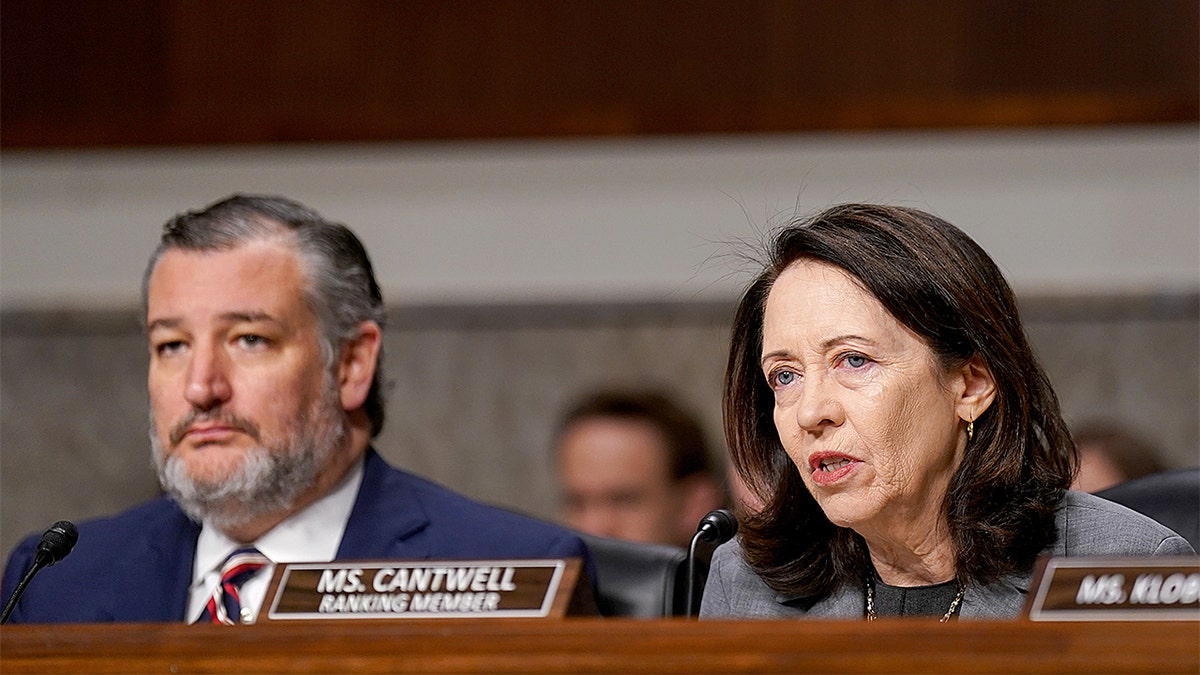
Senators Ted Cruz, Maria Cantwell, and Eric Schmitt led the charge, working with support from numerous sports conferences and organizations. A statement from Cruz and Schmitt highlighted the bill’s importance for saving college sports. They expressed disappointment in not reaching an agreement, but planned to secure a vote in September with Trump’s backing.
The day involved intense negotiations, with bipartisan discussions as college sports officials closely followed developments. Previous support from the SEC and Big Ten indicated a potential path forward for the bill before the recess. Senator Ted Cruz, as chairman of the Senate Commerce, Science, and Transportation Committee, and Senator Maria Cantwell, as the ranking member, played prominent roles in the proceedings.
As Friday progressed, senators filed numerous amendments to strengthen the bill. Despite anticipation, efforts to bring the ‘NIL Bill’ to a vote led to aides scrambling back to the Capitol. Ultimately, the negotiations stalled, delaying action until September.
Senator Maria Cantwell issued a statement noting the urgency of addressing student athlete issues and emphasizing the bill’s protections for athletes and sports. While immediate action wasn’t possible, a fixed date in September offered hope for future progress.
Among the proposed amendments, Senator Ashley Moody’s highlighted a controversial provision about conference realignment. This proposal could impact schools like Florida State and Miami, who had previously challenged the ACC. Amendment discussions included providing a window for schools to change conferences without penalty before new rules take effect.
This recognized ongoing conversations about NCAA lawsuits regarding student athlete eligibility and conference switching. Past legal actions by Florida State and Clemson against the ACC added layers to these debates.
The bill’s progress was hampered by multiple objections, with the need for unanimous support and 60 votes for passage. As of Friday afternoon, significant holds remained.
NCAA President Charlie Baker faced criticism regarding broad protections included in the bill. Senator John Kennedy questioned whether the legislation shielded the NCAA unjustly. Concerns about protecting women’s sports were also raised, with Riley Gaines arguing that the bill’s form might allow challenges to state rules by transgender athletes.
The White House stressed the legislation would not override state laws on gender-based sports participation. The National Black Caucus also stated its opposition in the bill’s current form, risking broader support.
Further Senate and House action is likely, but complex amendment processes suggest a lengthy legislative journey, extending into September and beyond. This period coincides with midterms and other significant political issues. Those advocating for the ‘Protect College Sports Act’ face ongoing challenges as they work to advance the legislation.
Leave a Reply