Dan Dakich, host of OutKick, criticized the WNBA and the media over their handling of Caitlin Clark. He argued that despite the league’s 30-year history, it fails to leverage the popularity of star athletes like Clark. Dakich pointed to issues of jealousy, racism, and sexism contributing to negative narratives and inadequate support for the 24-year-old athlete. He believes this affects both Clark and the league’s growth potential.
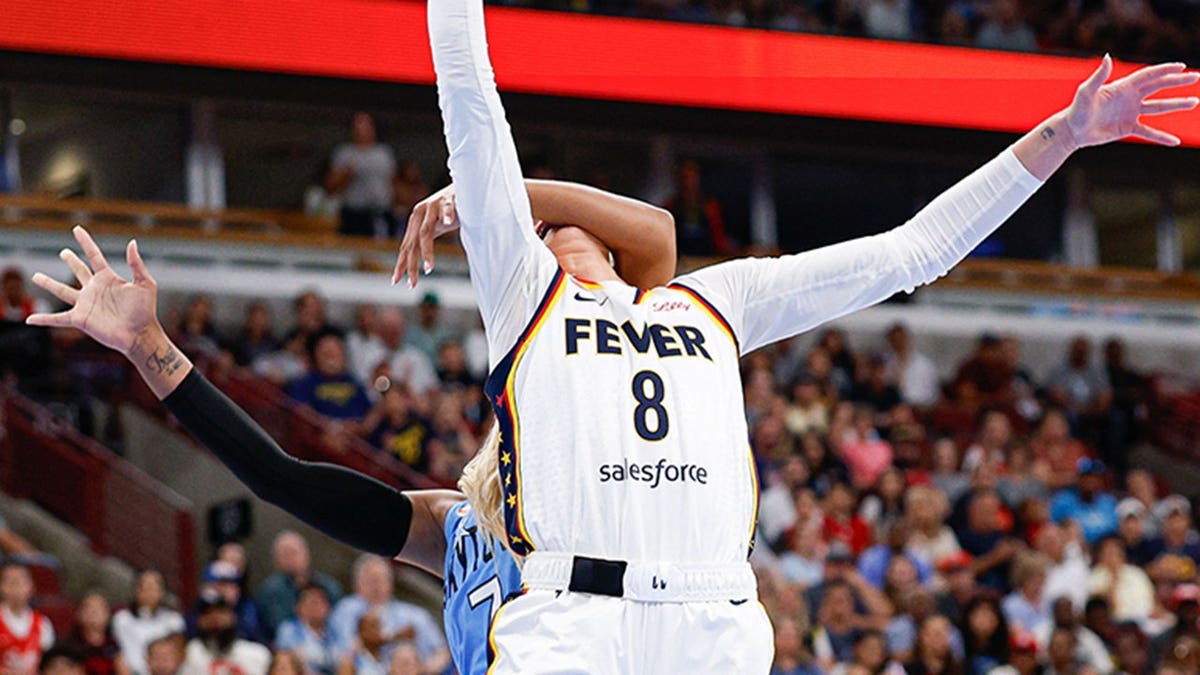
In a more recent incident, controversy erupted during a game between the Chicago Sky and the Indiana Fever. Chicago Sky guard DiJonai Carrington received a Flagrant 2 foul for striking Indiana Fever’s Sophie Cunningham in the head during a layup attempt. This resulted in Carrington’s automatic ejection from the game. Shortly after, Carrington wrote a post on Threads suggesting ‘white privilege’ influenced the foul decision, tagging the Indiana Fever in her accusation.
Many viewed this as a significant allegation that could warrant consequences. However, as of the report, the WNBA, the WNBA Players’ Association, and the Chicago Sky have not responded to inquiries about Carrington’s accusations.
Officials reviewed Carrington’s foul, confirming it as a Flagrant 2, which led to her ejection. Cunningham needed to be restrained afterward, visibly showing her mouth was bleeding. The incident added complexity to the game’s narrative, with Indiana winning 90-86 over Chicago.
Throughout the years, officiating complaints have been common in sports. Yet, accusations involving race bring a different dimension. Carrington’s post suggests she might believe racial factors influenced the decision. Clarification on her intent remains unprovided as the organizations have yet to respond.
The WNBPA recently made statements about combating hate and demonization but now faces the challenge of addressing Carrington’s public ‘white privilege’ accusation. The league has embraced discussions on politics, race, and societal issues. Thus, ignoring this claim could contradict its stance.
Cunningham’s stance against biological men competing in women’s sports has made her a polarizing figure, potentially adding layers to the incident. Carrington’s message might have aimed at broader issues, beyond officiating.
Clarification from Carrington and involved organizations would help understand the full scope of the situation. Presently, her two-word accusation remains open for interpretation.
Leave a Reply