Inflated Claims and Privacy Concerns in HSI’s Election Fraud Investigation
Homeland Security Investigations (HSI) has utilized its technological resources to search for noncitizens on voter rolls, despite warnings from within the agency that this could lead to numerous false positives. This initiative, under pressure from the White House, sought to support claims of widespread illegal voting by noncitizens. However, this effort has resulted in only a small number of prosecutions and even fewer convictions.
Efforts and Challenges
In March, Joe Teirab from Minnesota’s U.S. attorney’s office received urgent instructions from federal authorities to find cases supporting claims of illegal voting. HSI agents, tasked with investigating hundreds of leads, often faced disorganized processes and unrealistic pressures. A status report highlighted that after subpoenaing records of about 130 individuals, only one was referred for prosecution, pointing to a dysfunctional operation.
Trump Administration’s Push
Since Donald Trump’s return to the presidency, his administration has pursued initiatives to investigate noncitizen voting, claiming systemic vulnerabilities in the election system. The Department of Homeland Security (DHS) released data suggesting over 250,000 noncitizens were registered to vote in four states, though these claims lacked detailed explanations on how the numbers were derived.
HSI’s Role and Use of Resources
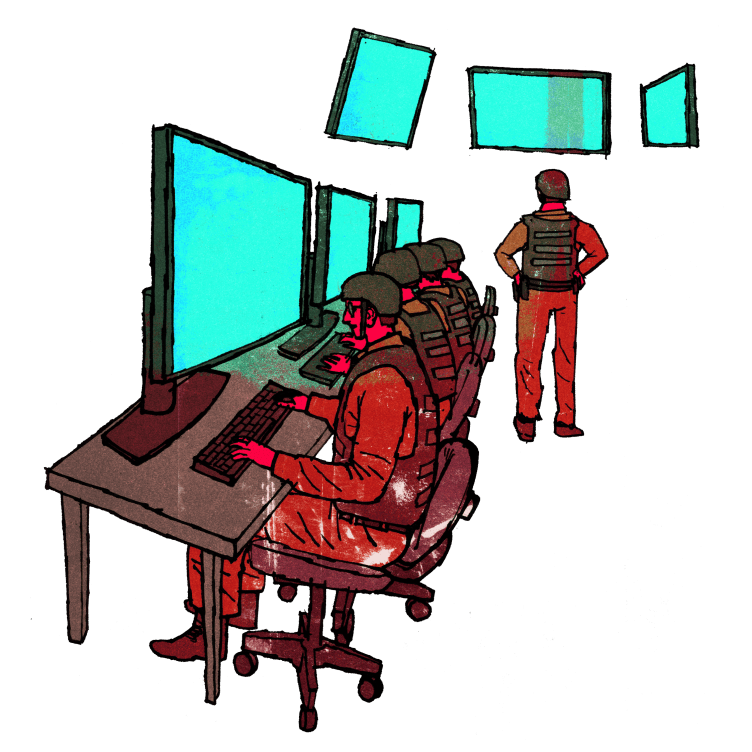
ProPublica’s investigation reveals how HSI’s resources were redirected toward this election fraud campaign. A directive from HSI leadership to address supposed illegal voting utilized the agency’s databases extensively, yet produced few actionable cases. Inside sources disclosed that long-term agency personnel warned about privacy violations and unreliable outcomes from tech-driven voter searches.
Legal and Privacy Implications
The legality of transferring voter rolls to HSI was questioned by DOJ career staff, who feared potential violations of federal privacy laws. These exchanges involved sensitive voter data, prompting concerns about the broader implications of such data handling and the disregard of privacy safeguards.
Case Investigation and Results
The initiative led to HSI reopening thousands of inquiries into potential cases of illegal voting, but a review showed these investigations were often fruitless due to flawed data matching. Fewer than 150 suspected illegal voters were prosecuted, a tiny fraction compared to the number involved in the last presidential election.
Administrative Challenges and Reactions
Modifications to the DOJ’s data-sharing agreements aimed at easing legal scrutiny appear to have been disregarded in later drafts. This raised additional privacy and legal concerns, pointing to a wide gap between initial concerns raised by officials and the administration’s subsequent actions.
Wider Consequences
Experts warn that such federal resource allocation might harm the effectiveness of critical investigations like drug trafficking and human trafficking. Additionally, the controversial approach to election fraud investigations has led to negligible prosecutions and increased public mistrust in governmenthandling of private data and elections administration.
Concerns persist about potential misuse of federal powers in the upcoming elections, with advocacy groups highlighting that undermining trust in the voting system could have significant consequences.
Leave a Reply