President Donald Trump has criticized Texas Governor Greg Abbott’s decision to pause approvals for new data centers. Trump called it a “mistake” as the state considers industry-related increases in electricity and water demands. The president shared his views during an interview with Punchbowl News released Friday. Abbott recently ordered a halt on data center approvals seeking connections to Texas’s electric grid, as reported by The Texas Tribune.
“I saw Texas the other day sort of is against data centers,” Trump stated. “I think it’s a mistake, because there are other communities that want it. When a community wants it, a lot of money is going to come into that community.” He emphasized the economic importance of data centers, suggesting the industry’s significance could surpass that of oil in Texas.
Data centers play a crucial role in supporting cloud computing and artificial intelligence, which demand significant electricity and water for cooling. Concerns about noise, grid pressure, rising electricity costs, and environmental impacts have been raised.
Abbott has ordered a comprehensive audit of data center approvals. This involves assessing anticipated electricity and water consumption, cooling systems, tax incentives, ownership, and impacts on surrounding communities. Projects failing to meet state requirements will face denial for grid connections.
Abbott’s press secretary Andrew Mahaleris stated the pause aims to safeguard Texas’s power grid and water supply amid increasing demand. He highlighted that ERCOT, the Electric Reliability Council of Texas, has noted a spike in peak electricity demand, necessitating protective measures.
Mahaleris pointed out that Texas law requires data centers to report power and water usage, but compliance is below 10 percent. The governor’s pause mandates data centers to supply necessary information to the Public Utility Commission of Texas (PUCT) and ERCOT for informed decision-making.
Texas Data Center Demand Surges
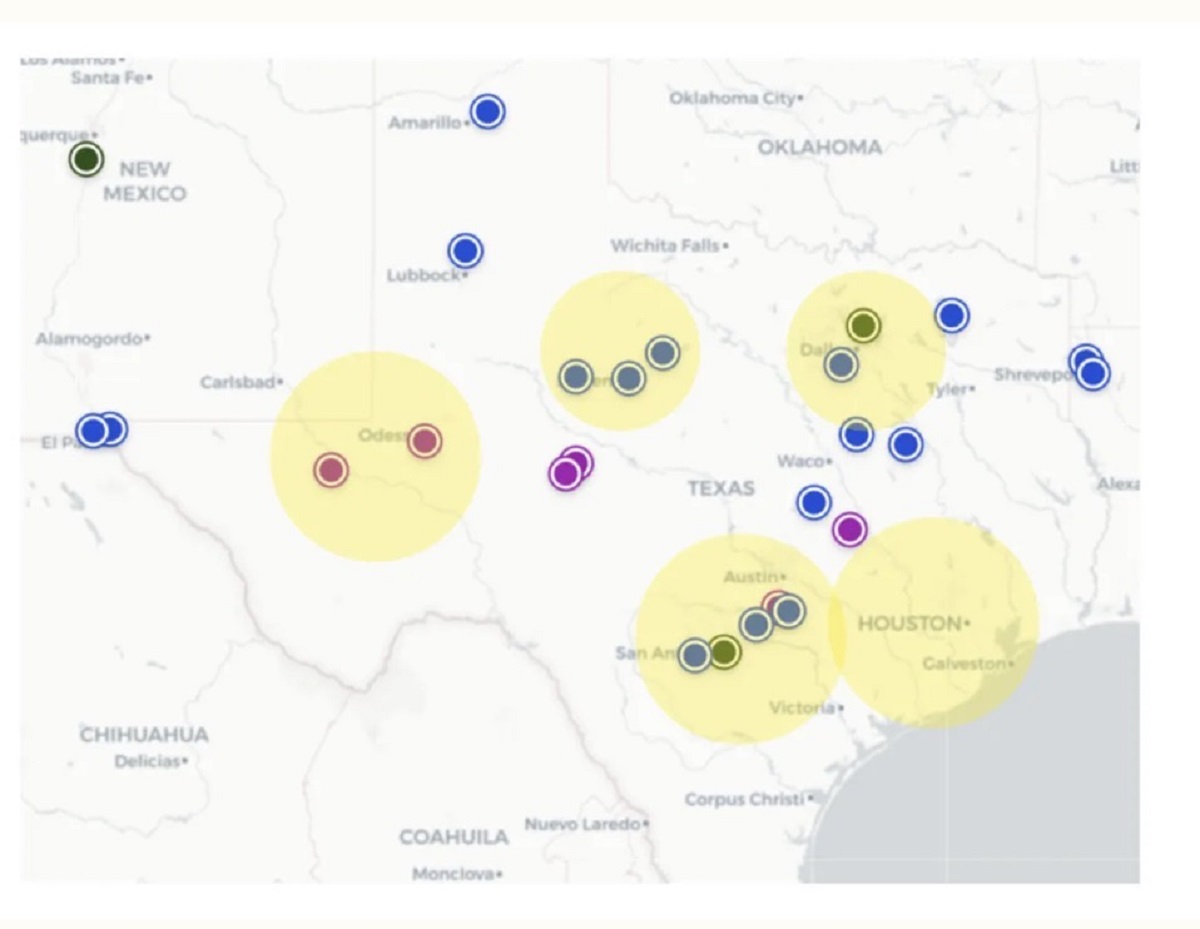
Texas is a hub for AI infrastructure growth. ERCOT’s long-term plans show significant growth in electricity demand, largely due to hyperscale data centers. Reports indicate that 90 percent of 474 gigawatts of interconnection requests are from data centers—a figure exceeding Texas’s record peak electricity demand.
Utility forecasts predict large-load requests to climb from five gigawatts in 2026 to over 109 gigawatts by 2032. ERCOT’s peak demand record stands at about 85.5 gigawatts, underlining future power needs. Oncor’s service territory, particularly around Dallas-Fort Worth, is expected to see the highest large-load growth. Counties like Dallas and Denton have become data center hotspots due to transmission infrastructure, fiber networks, and available land.
A $1.1 billion Fort Worth Data Center Project in Veale Ranch is already under scrutiny for its power and water impact concerns. City officials delayed a tax incentive package following public resistance.
Competing Priorities Over Infrastructure
Trump’s comments create a conflict with Abbott regarding data center expansion in Texas. Despite Abbott’s desire for facilities in the state, the pause mainly affects those seeking grid connections. Projects with private power generation may sidestep the grid-connection process.
During a Fox News interview, Trump remarked that opposing AI data centers hinders potential tax reductions and increases in property value. A July poll by Emerson College showed 63 percent of U.S. voters opposing AI data centers near their communities, a 21-point rise since December 2025.
The impact of data centers on property values remains uncertain. They may boost local economies and housing demand, but proximity concerns over noise and industrialization might lower prices. Future developments will determine these centers’ effects as over 1,500 are being developed nationwide, with reports indicating up to 3,000 projects.
Leave a Reply