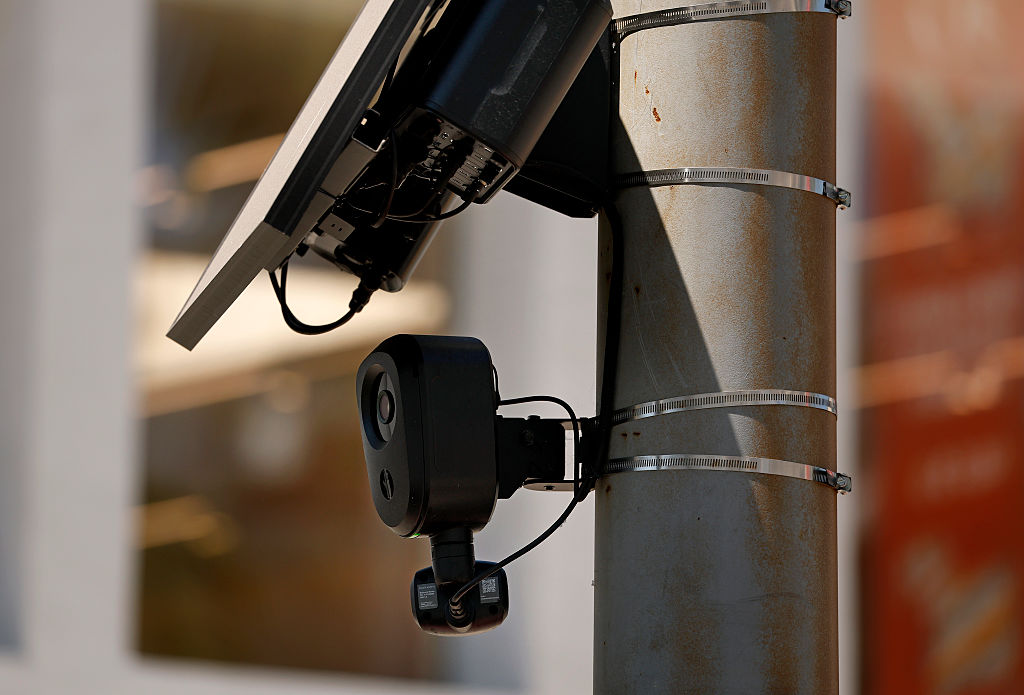
Flock Safety collaborates with over 5,000 law enforcement agencies across 6,000 communities using its advanced surveillance technology. These solar-powered cameras function as license plate readers, capturing data related to vehicles. Law enforcement agencies search this database for license plate numbers, vehicle make and model, or unique identifying features like bumper stickers.
Advocates believe Flock cameras aid in solving crimes. However, critics highlight the potential for misuse of data, allowing tracking of individuals without accusations, often with limited oversight.
“They’re just collecting data as an active surveillance system, and every car that passes through, the data is collected from that car license plate, using AI. They make a vehicle fingerprint of the car that includes distinguishing features, make, model, color, bumper stickers, roof racks, all these different things,” said Knox County Mayor Glenn Jacobs in an interview with NewsNation.
Founder Garrett Langley was motivated by the high crime rates in Atlanta. He developed license plate-reading cameras to tackle crime challenges. During a TED talk, he expressed frustration about criminal activities like car theft and murder often going unpunished.
Flock’s network includes nearly 100,000 cameras across 6,000 communities in 49 states. However, exact camera locations are not publicly available. DeFlock, an organization dedicated to raising awareness about privacy concerns with these cameras, offers a crowd-sourced map showing alleged camera locations nationwide.
The map relies on contributions from volunteers and the OpenStreetMap community, not official sources like private companies or government agencies.
Public concern over privacy has led to backlash. Many city councils are reevaluating or rejecting the deployment of Flock cameras. Jurisdictions like San Jose, California, impose limitations such as restricting data storage to 30 days and prohibiting cameras outside sensitive locations.
Leave a Reply