Proposed Changes to H-1B Visa Grace Period
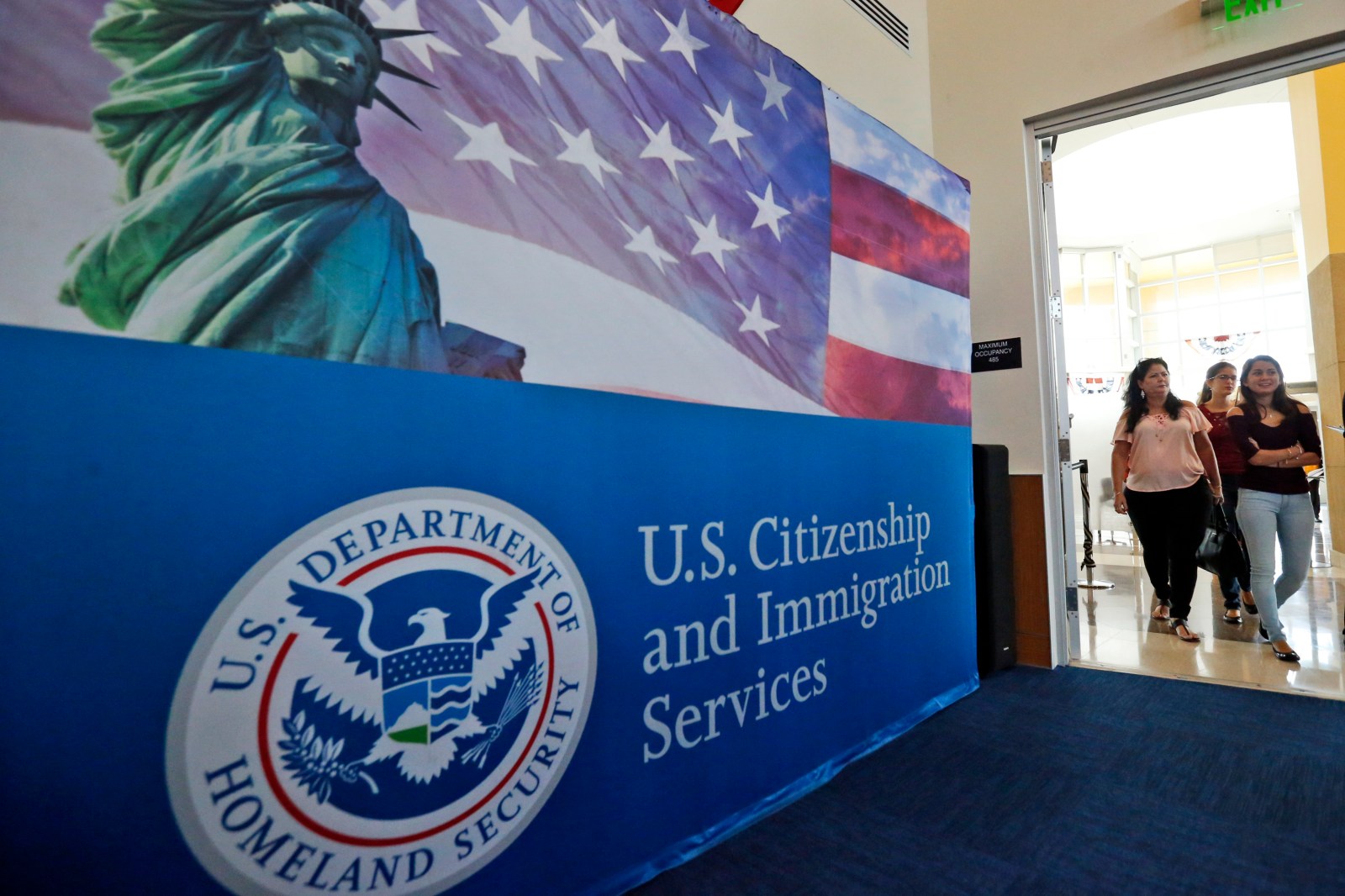
The Trump administration is proposing to eliminate the 60-day grace period currently afforded to H-1B visa holders and other foreign workers in the United States after job loss. This change could significantly impact workers’ legal status following layoffs.
Current Status and Proposal Details
The Department of Homeland Security (DHS) recently forwarded the proposal to the White House for regulatory consideration. Should it pass, the 60-day window that has been in place since 2017 would be removed.
At present, workers on employment-based visas can remain in the U.S. for up to 60 days post-employment loss. This allows time to secure a new job, adjust their immigration status, or make travel arrangements to leave the country.
Who Will Face Changes?
The grace period applies to various employment-based visa categories, including H-1B, H-1B1, L-1, O-1, TN, E-1, E-2, and E-3 visas. Estimates by immigration-policy group FWD.us indicate approximately 730,000 H-1B holders and around 550,000 dependent family members reside in the U.S., highlighting the broad implications of any changes.
Recent Changes to H-1B Rules
Since returning to office, the Trump administration has made efforts to increase costs for employers hiring foreign workers, tighten visa eligibility, and alter the visa allocation process. Although court action blocked a proposed $100,000 fee on certain H-1B petitions filed overseas, efforts continue to revamp the H-1B lottery to prioritize higher wages.
Furthermore, DHS recently finalized a rule expanding existing biometric screening fees, costing between $4,000 and $4,500 for some H-1B and L-1 visa extensions, impacting employer costs for retaining foreign personnel.
Ongoing Review Process
The proposed changes remain in regulatory review, and the current 60-day grace period is still effective. Should the proposal receive approval for publication, it would appear in the Federal Register, opening a period for public comment before concluding any policy alterations.
Implications for Foreign Workers
The grace period was originally introduced in late 2016 under the Obama administration to grant flexibility for highly skilled foreign workers facing job loss.
If the grace period is eliminated, H-1B workers may experience increased urgency in job seeking. They would need both a new position and employer sponsorship, adding further pressure to remain in legal status.
Until any final decisions occur, the existing grace period provisions remain valid while the rulemaking process is ongoing.
Leave a Reply