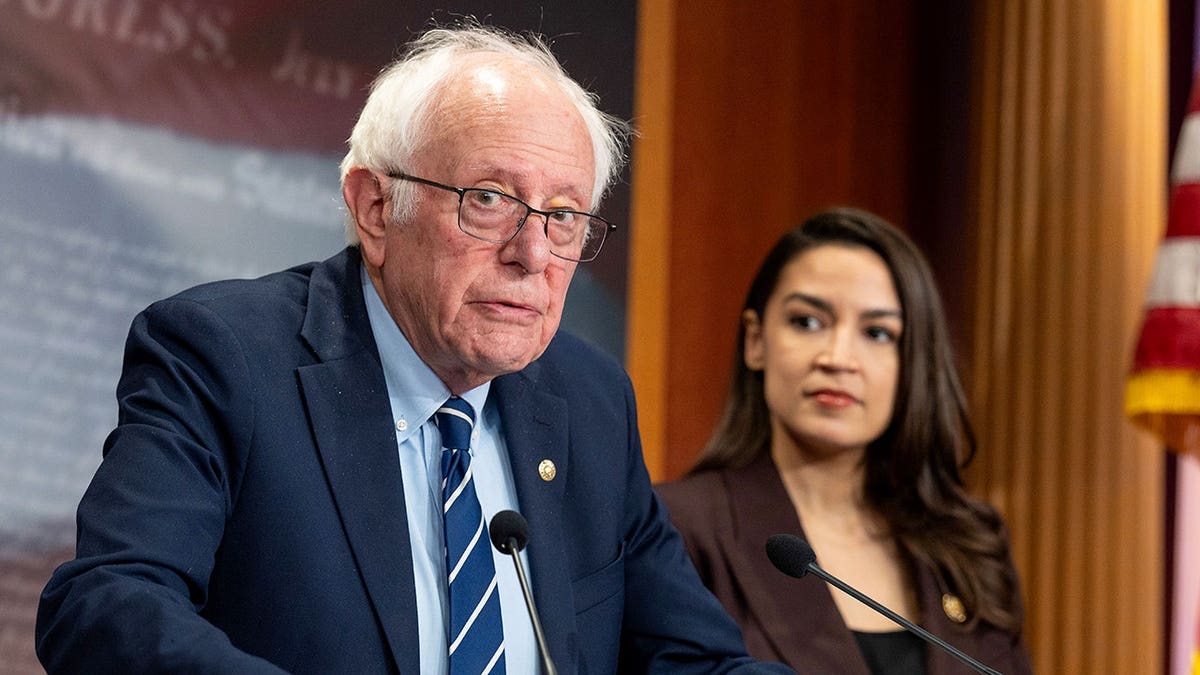
In recent months, prominent Democrats, such as Sen. Bernie Sanders, have expressed concerns about the potential impact of artificial intelligence (AI) on the job market. Sanders vocally questioned the lack of planning for the millions potentially affected by AI technology. However, since the release of AI chatbots in late 2022, the U.S. job market has continued to grow, as reported by the Bureau of Labor Statistics. The unemployment rate has remained low, highlighting a tension between different economic perspectives.
Richard Stern, an economist with Advancing American Freedom, believes this debate reflects a fundamental difference in worldviews. He argues that it demonstrates a clash between free-market dynamics and central planning approaches. According to Stern, innovation historically leads to some job losses but simultaneously allows workers to engage in new types of work and create novel products. He referenced the 19th-century invention of the Jacquard loom, which used an early punch card system to automate patterns, as an example of technology initially seen as a threat to jobs.
Since 2022, non-farm payroll employment has consistently increased. The unemployment rate has stayed below 4.5%. Despite this, many companies have adjusted their views and continued hiring when AI did not replace junior workers.
Democrat leaders, including Sanders and Rep. Alexandria Ocasio-Cortez, continue to call for government intervention to mitigate AI’s workforce impact. Citing a Stanford paper, Sanders mentioned a 16% employment decline in sectors exposed to AI, like programming and customer service. Rep. Greg Casar also voiced concerns, pointing out a lack of government awareness and efforts to regulate AI.
Taylor Budowich, a former deputy chief of staff under Trump, countered that AI enhances productivity for American workers. He claims that Trump’s AI initiatives will boost productivity and employability.
Concerns persist among other politicians, including Sen. Elizabeth Warren, regarding AI’s transformative effects on employment. AOC and Warren emphasize the need for proactive measures to address AI’s potential disruption.
Stern suggests that adapting to new technologies involves trust in markets versus trust in governmental control. He questions whether people trust diverse entrepreneurs or centralized government for solutions. This reflects a longstanding view of government as a problem-solver, akin to how some perceive AI, despite potential human errors.
Leave a Reply