In the ongoing series, Newsweek examines events leading up to September 11, 2001, with a focus on key figures involved. One such figure is Khalid Sheikh Mohammed (KSM), described as al-Qaeda’s top operational planner and the mastermind behind the attacks.
The Visa Applications
On August 13, 2001, KSM applied for an Australian visa, using a fraudulent Saudi passport with the alias Abdulrahman al Ghamdi. Although he received the visa, he never used it. Earlier, on June 23, under the same alias and using the same passport, he successfully obtained a B-1/B-2 visa to visit the United States. This was amid heightened terrorism concerns.
Background of KSM
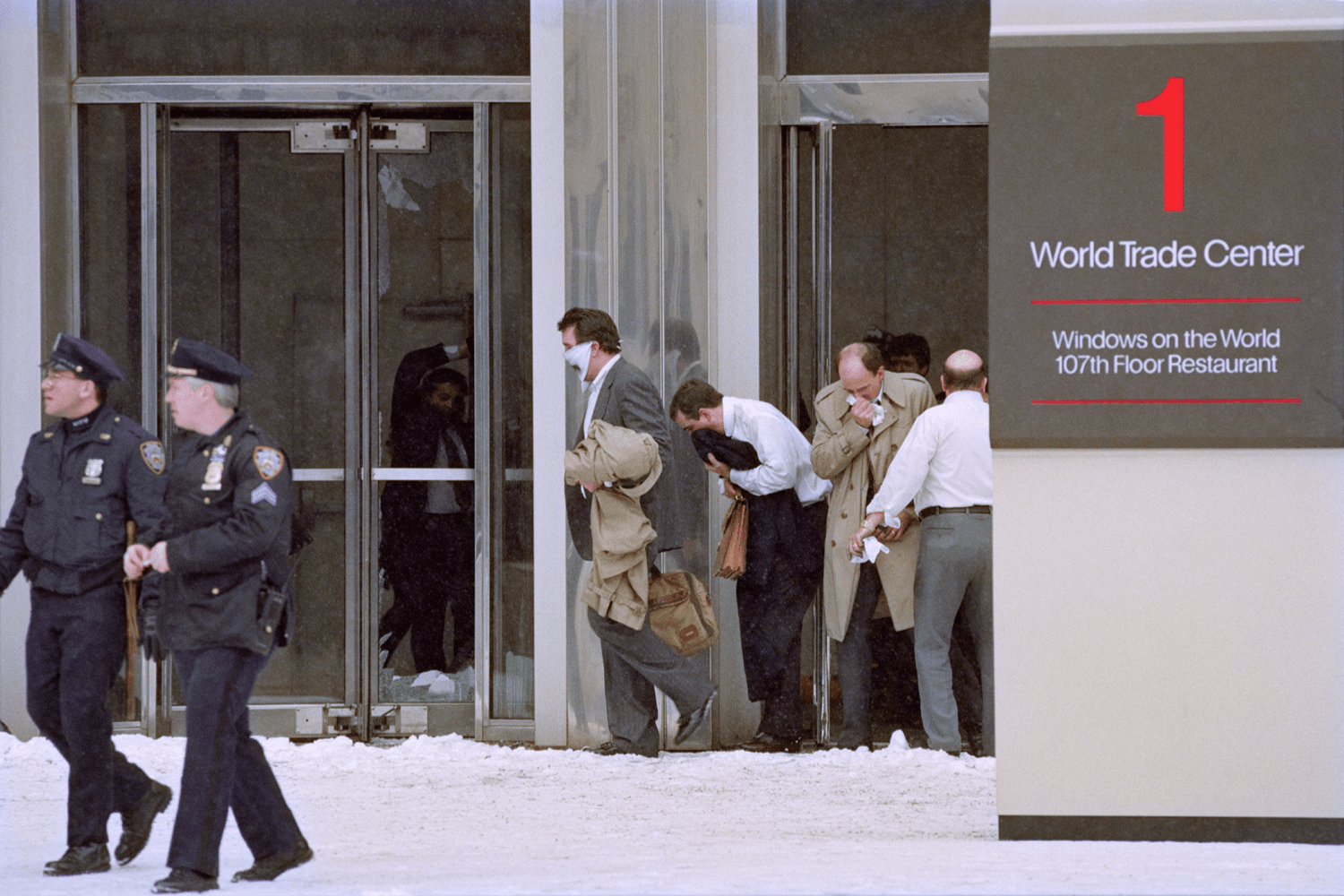
KSM, originally from Pakistan but raised in Kuwait, studied in the United States, graduating from North Carolina Agricultural and Technical State University in 1986. He later joined the jihad against the Soviet Union in Afghanistan, where he met Osama bin Laden. Following the Soviet defeat, he returned to Pakistan and became involved in various plots, including the 1993 World Trade Center attack.
During his time in the Philippines, he used the Abdulrahman alias in a plot involving airline bombings. Even after his main collaborator, Ramzi Yousef, was captured in 1995, the alias remained undetected. However, as Khalid Sheikh Mohammed, he was indicted in 1996 for terrorist conspiracy.
Attempts to Capture KSM
The FBI and CIA attempted a rendition of KSM in Qatar that year, even involving FBI director Louis Freeh. However, due to a tip-off by Qatari officials, KSM escaped capture. He was placed on the U.S. TIPOFF watch list but seemed to be largely forgotten afterward.
KSM’s Growing Influence
Despite his evasion of capture, KSM took on a mentorship role with the Hamburg cell, including Mohammed Atta, Marwan al-Shehhi, and Ziad Jarrah. He guided their operational security and the preparations leading to 9/11. KSM also managed the logistical and financial support for the plan.
Intelligence Oversight
A partially declassified report from the Intelligence Community noted that they had intelligence linking KSM to bin Laden and plans involving using aircraft as weapons. Yet, KSM was primarily regarded as a rendition target following his indictment.
The report criticized the lack of emphasis on understanding KSM’s activities, despite evidence of his role in sending operatives to the U.S. before the attacks. The intelligence community only realized his significant involvement over a year after 9/11.
Leave a Reply