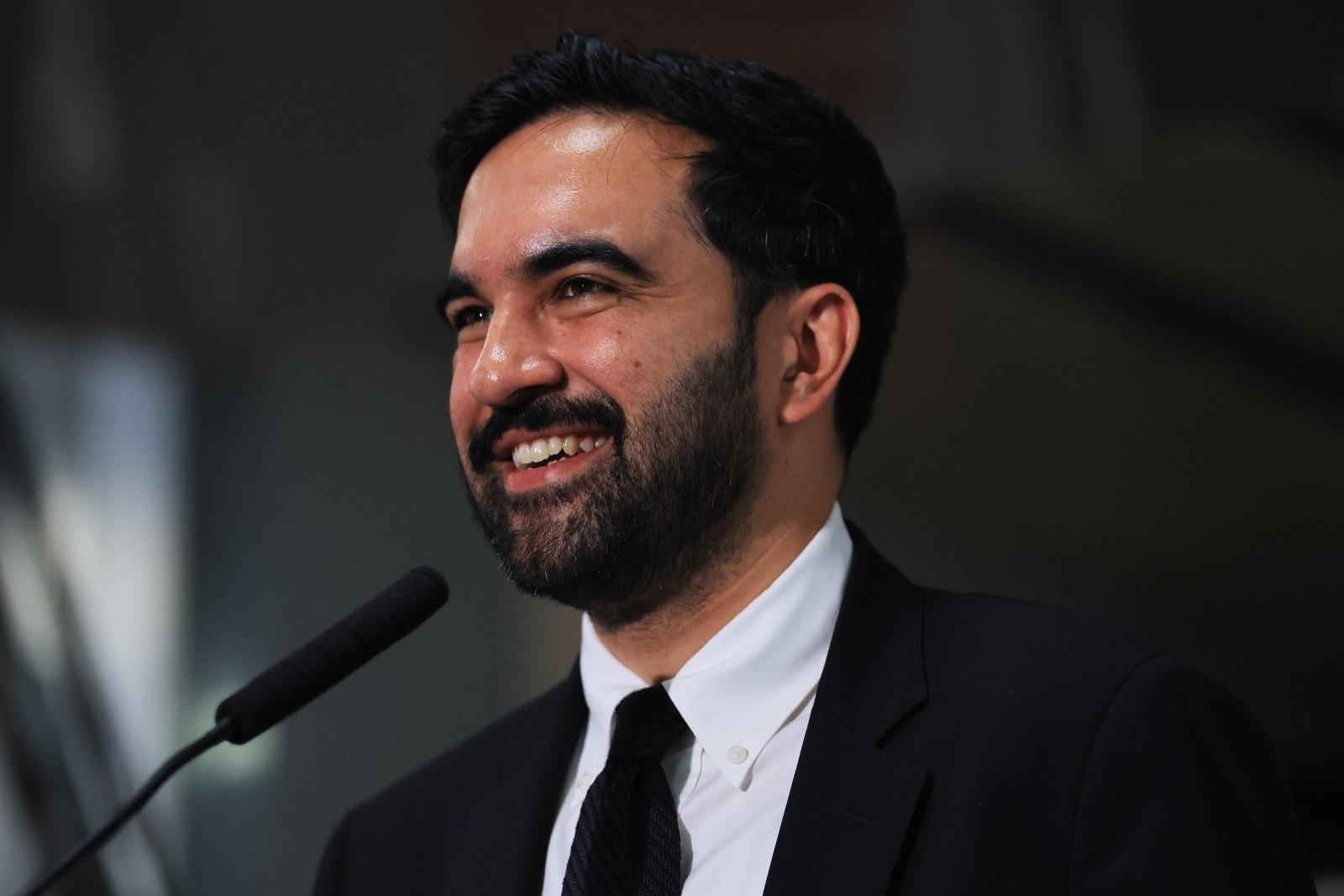
Rabbi Zalman Leib Teitelbaum, the Satmar Rebbe of Williamsburg, has voiced concern over efforts to label Mayor Zohran Mamdani as antisemitic. This stance positions him opposite Jewish organizations that criticize the mayor for fostering hostility towards Jews.
The situation highlights the complexity of viewing Jewish New York as a unified political body. Satmar’s disagreement with Mamdani’s progressive politics stems from religious opposition to Zionism that predates the mayor. Traditionally, Satmar leaders focus on establishing workable relations with governing authorities. In his remarks, Teitelbaum emphasized the biblical instruction to promote the welfare of the city where Jews reside, cautioning against conflict with political authorities.
Mamdani’s alignment with Satmar is driven by reasons that differ from those attracting anti-Zionist activists on the left. This disrupts the political shorthand assuming attitudes towards Israel predict Jewish alliances locally.
Satmar Complicates the Mamdani Divide
Satmar’s interaction with Mamdani isn’t an endorsement of progressive politics; their anti-Zionism stems from religious tradition, not the contemporary left. Progressive Jewish groups may support the mayor due to opposition to Israeli policy and broader political agreement. Meanwhile, liberal Zionists might disagree with Mamdani’s views on Israel but still prioritize a relationship with City Hall.
For Satmar, practical considerations are crucial, with City Hall decisions affecting housing, schools, and social services in Hasidic neighborhoods. Although other Orthodox voices advocated confrontation, Satmar figures urged continued relations with Mamdani during his campaign.
This dynamic allows varied constituencies to agree on working with Mamdani without aligning on Zionism or Israel.
The Jewish Consensus Has Limits
Satmar’s relationship with Mamdani shouldn’t be interpreted as a weakening of Jewish ties to Israel. The movement’s anti-Zionist stance is longstanding, and surveys indicate widespread favorability towards Israel among American Jews.
A 2026 Pew Research Center survey found that 64% of Jewish Americans view Israel positively, despite 56% expressing low confidence in Prime Minister Benjamin Netanyahu. The Jewish Majority’s poll of Jewish New York City voters shows two-thirds agree opposition to Israel’s existence as undermining Jewish identity.
This fracture extends to local political strategies. Jewish leaders supportive of Israel may debate Mamdani’s opposition while considering communal interests and ideological differences. Debates surfaced during a March meeting at City Hall, with Dov Hikind criticizing engagement, while Rabbi Yaacov Behrman viewed refusal as counterproductive.
These disagreements surpass Mamdani’s views on Israel, impacting political access and communal interests.
Who Gets to Speak for Jewish New York?
Traditionally, New York mayors consulted familiar Jewish institutions like UJA-Federation, Jewish Community Relations Council, and ADL. However, Mamdani’s approach questions their indispensability.
During Jewish American Heritage Month at Gracie Mansion, major Jewish organizations’ absence didn’t prevent a gathering of over 100 people, including progressive Jewish representatives, city employees, and Orthodox communities engaging with the mayor. Mamdani formed a Jewish-facing coalition without relying on established organizations.
Recently, Mamdani invited rabbis from various congregations to City Hall for discussions on antisemitism. Despite criticism of his rhetoric on Israel, the meeting demonstrated the emerging model of direct engagement with diverse religious leaders rather than relying on a single mediating organization.
If major Jewish organizations continue influencing city decisions despite conflicts, their role as intermediaries remains strong. Conversely, if the administration negotiates individually with Jewish constituencies, this shift marks an institutional change rather than an ideological one.
Teitelbaum’s defense of Mamdani highlights the lack of consensus, evident in the criticism at City Hall. His intervention emphasizes how the mayor can face opposition and receive support simultaneously. The debate centers on whether Jewish New York can still be seen as a single political constituency.
Leave a Reply