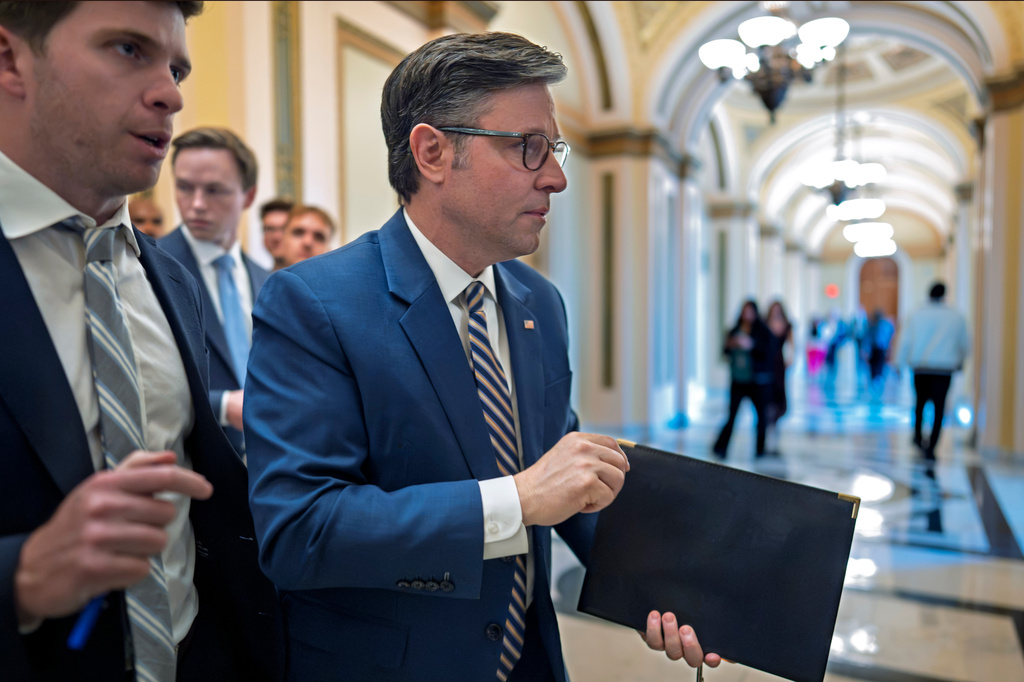
As Speaker of the House, Mike Johnson, R-La., exited the chamber after discussions over several key measures, including a continuing resolution to fund the government and a spending package for the conflict in Iran, the impression was that Congress had entered a pattern familiar to summer seasons. The legislature seems to be caught in a loop as it heads into a month-long recess. Despite the active efforts from both houses leading up to this break, progress appears stalled.
Recurring topics dominate discussions, such as the Iran conflict, border security, election law changes, and natural disaster responses. This repetition leaves many wondering if they are experiencing seasonal reruns in legislative activity. The design of the congressional process, however, requires revisiting similar issues through authorization and appropriations. This seemingly chaotic activity heightens as the fiscal year end approaches, with elections drawing near.
Attention is particularly focused on budget disputes, given their ties to influence and funding. The authorization process establishes policy directions and spending limits, while appropriations allocate actual funds. A budget resolution dictates spending allocations for 12 appropriations bills annually, which ideally pass by October 1, the new fiscal year’s start.
The House Appropriations Committee has issued all 12 regular funding bills, but only three have passed the House. The Senate has not progressed on any. Without timely passage, Congress relies on stopgap continuing appropriations resolutions (CRs) to prevent governmental shutdown, a scenario members want to avoid after last year’s lengthy shutdown. Both chambers recently passed CRs, with the House’s version extending to December 4 and the Senate’s until December 11.
House Speaker Mike Johnson explained the lengthy CR was a strategy to prevent Democrats from blaming Republicans for a potential shutdown before November’s elections. However, differences in the CRs require reconciliation when Congress reconvenes in early September before taking an October break for campaigning.
Reconciliation also plays a significant role in aligning budgetary goals with fiscal realities. Although two budget resolutions and reconciliation bills are already in place, a third budget resolution with updated reconciliation instructions was adopted by the House before its recess. This resolution includes $95 billion for defense, agricultural support, and state grants to implement voting restrictions. The Senate plans to prioritize the CR after returning in September.
The timeline is tight. Upon returning, Congress will have only four weeks to act before the new fiscal year begins. The legislative break eliminates further sessions before the midterms, as members will campaign throughout October. Consequently, both chambers and parties face challenges in presenting substantial achievements to sway voters in the upcoming elections.
Traditionally, the party not controlling the White House gains congressional seats during off-year elections. This expectation is uncertain as both parties grapple to communicate a consistent message and a path to majority control. President Trump has complicated things by expressing GOP voter dissatisfaction with congressional Republicans. Democrats too have added to the confusion by celebrating primary victories under the “Democratic Socialists of America” banner, a message not likely to resonate widely.
Former congressional staff veteran Don Wolfensberger, who served as chief of staff for the House Rules Committee, authored books discussing Congress’s dynamics. His insights suggest the legislative process is unpredictable, as evident from current conditions.
Leave a Reply