Introduction to Flock Safety’s ALPR Cameras
Flock Safety operates a network of automated license plate reader (ALPR) cameras placed at strategic locations like roads, intersections, and neighborhood entrances. These cameras capture license plate information along with vehicle details such as color, make, model, and other distinguishing features. Law enforcement agencies use this data for searches during investigations.
Support and Growth of Flock Cameras
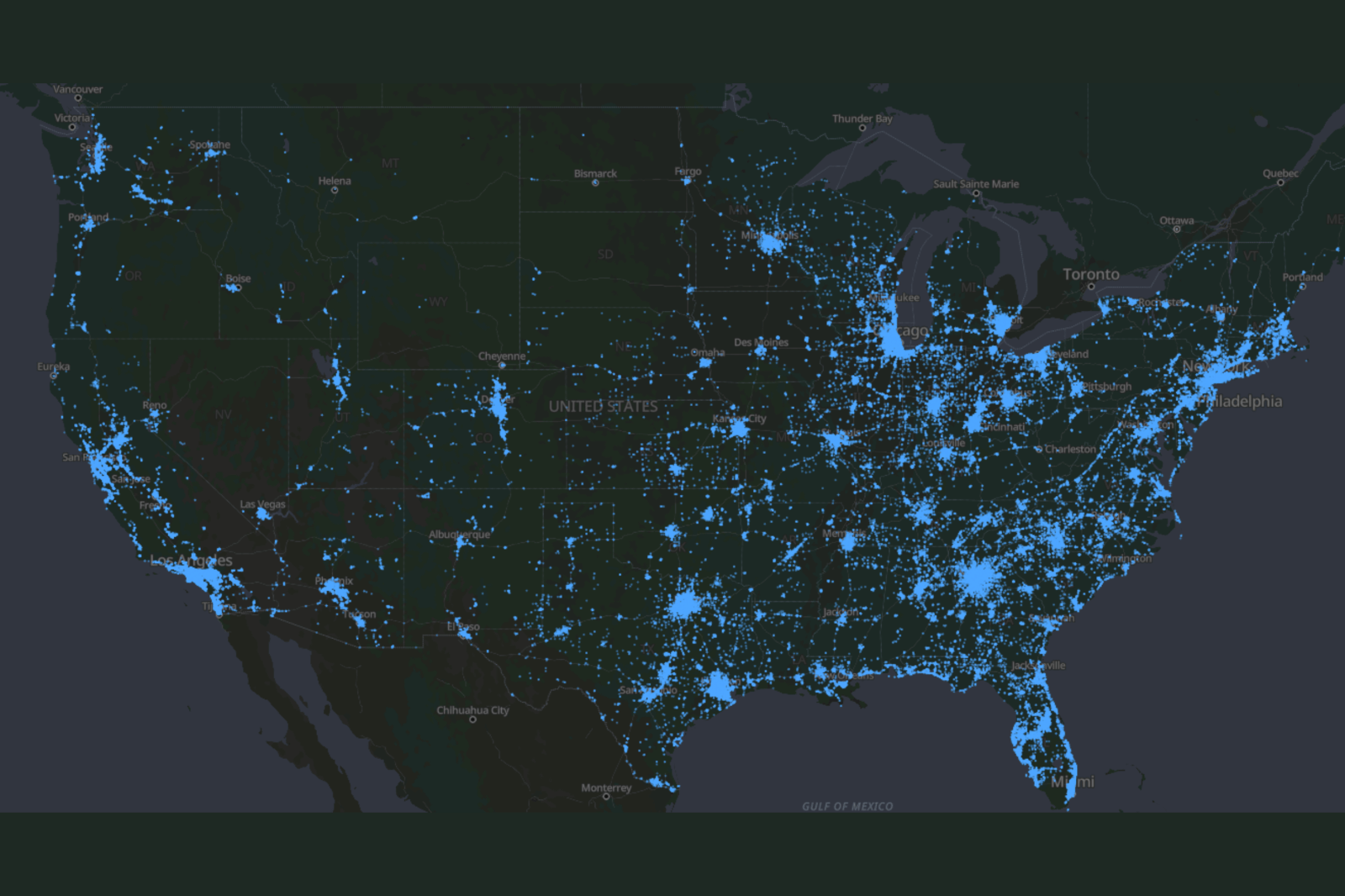
Supporters emphasize the system’s role as an essential tool in investigations. Various law enforcement agencies across the nation attribute their success in identifying suspects, recovering stolen vehicles, and generating leads to Flock cameras. These successes have contributed to the company’s swift expansion, with its cameras now operational in many communities across the country. Anti-surveillance group DeFlock reports mapping over 122,000 license plate reader cameras nationally.
The Controversial Aspect of Flock Cameras
Critics focus on the same tracking ability that supporters praise. While individual cameras capture brief snapshots, a network can document a person’s movements extensively over time. Privacy advocates warn that these systems could reveal sensitive information like where individuals live, work, seek medical care, or attend political events.
Opposition has grown beyond privacy groups. Certain communities have rejected Flock camera installations or dismantled existing networks due to surveillance and civil liberties concerns. Some Republican lawmakers have pushed for legislative measures to restrict or regulate ALPR technology, citing its transformation into a broad surveillance tool threatening privacy rights and constitutional protections, particularly the Fourth Amendment.
Misuse and Safeguards
There are concerns about potential misuse. Allegations have emerged of officers from various jurisdictions improperly accessing license plate databases, leading critics to question the effectiveness of safeguards against abuse. Supporters argue that these isolated incidents should not overshadow the technology’s crime-solving benefits. They advocate for heightened oversight, auditing, and access controls to address misuse while preserving the tool’s efficacy.
The Fourth Amendment Debate
The constitutional debate centers around the Fourth Amendment’s protection against “unreasonable searches and seizures.” Courts generally rule there’s no expectation of privacy for information openly displayed, like license plates. Supporters of Flock cameras lean on this precedent.
Critics assert that modern surveillance redefines this principle. The issue isn’t observing a car on a public street but accumulating vast amounts of such data into a searchable database, potentially reconstructing personal movements and routines. This argument cites the Supreme Court’s 2018 Carpenter v. United States decision, acknowledging privacy expectations regarding cellphone location data despite it being held by carriers.
Are Flock Cameras Unconstitutional?
No court has definitively ruled Flock cameras unconstitutional yet. A notable legal challenge, Schmidt v. City of Norfolk, involves Norfolk, Virginia’s Flock camera network. Plaintiffs claim the network represents a warrantless search infringing on the Fourth Amendment.
A federal judge ruled in favor of the city in January 2026, stating the system didn’t track all of a person’s movements and utilized public roadway information. The case, now on appeal, might set a precedent for constitutional privacy in surveillance technology.
FlockHopper and Wider Surveillance Concerns
The controversy has sparked tools and projects like FlockHopper, illustrating the Flock camera network’s scale. Privacy advocates highlight how these interconnected systems allow data searches across jurisdictions, often far from collection points. Supporters argue that such data sharing is crucial for investigating crimes spanning multiple regions.
A Constitutional Test for the Digital Age
The debate over Flock cameras extends beyond license plate collection. Supporters view them as a tool aiding criminal identification and resolution. Critics see a burgeoning surveillance infrastructure gathering data on innocent individuals.
The unresolved issue is whether collecting, storing, and cross-jurisdiction searches represent a fundamental change. This question permeates through courts, legislatures, and councils nationwide. Its resolution could define the Fourth Amendment’s application to future surveillance technology.
Leave a Reply