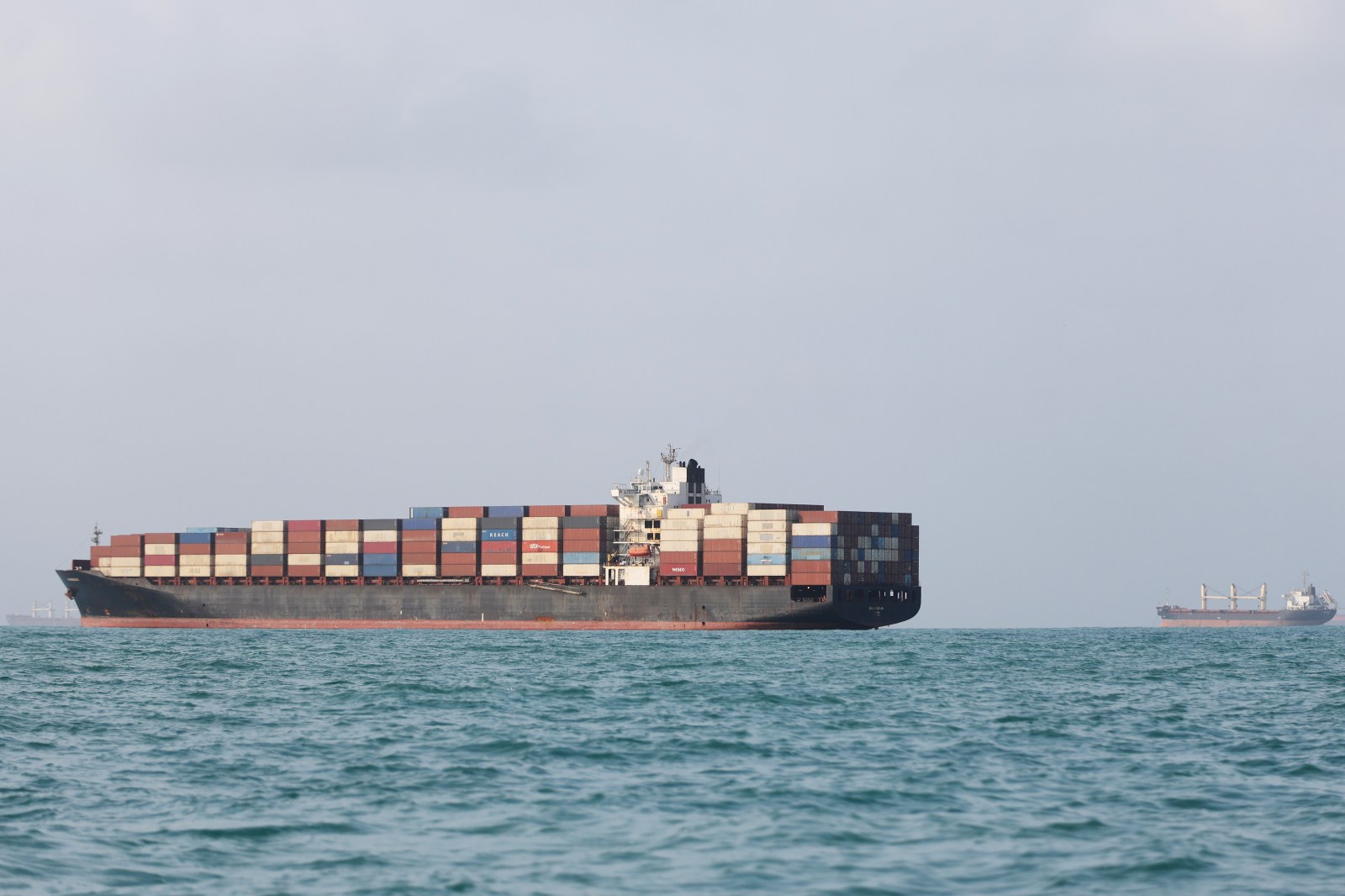
Gas prices have again surpassed $4 per gallon as efforts to resolve the Iran conflict stall, creating significant political risks for the Republican Party ahead of this year’s elections. The ongoing war in Iran has for months impeded the Strait of Hormuz, reducing Middle Eastern oil production and driving up fuel costs in the U.S. Initially, prices fell following an agreement between the conflicting sides, but recent breakdowns in negotiations and ongoing regional strikes have reversed the trend.
The Strait of Hormuz has been a key factor in the rising oil and gasoline prices,
said Carole Nakhle, CEO of the energy consultancy Crystol Energy. The disruption is real, and prices fluctuate almost daily based on diplomatic developments and conflict duration expectations.
Nakhle also noted that, outside the war, several domestic and global factors are likely to maintain high fuel prices.
State Gas Prices Overview
AAA reported on Wednesday that the national average price for regular unleaded had reached $4.04, up from $3.88 a month ago and under $3 before the conflict began on February 28. California leads with a price of $5.58 per gallon, followed by Hawaii at $5.54 and Washington state at $5.15. The West Coast’s reliance on Middle Eastern imports and refinery closures contribute to their vulnerability. California’s highest combined fuel taxes have also caught attention, with President Donald Trump urging gas retailers to lower prices.
Conversely, Indiana has the nation’s lowest prices at $3.52 per gallon, followed by Texas at $3.56 and Louisiana at $3.57.
Factors Keeping Gas Prices Elevated
The Iran war remains a significant source of volatility in the global oil market and domestic fuel prices. Prices fluctuate with disruptions or progress in Hormuz and Iran-U.S. negotiations. As violence persists in the region and hopes for diplomacy waning, oil prices hover around $90 a barrel. However, some remain hopeful about potential resolutions.
Khawaja Asif, Pakistan’s defense minister, stated to Bloomberg that both parties are nearing an arrangement, indicating a move towards peace. A credible agreement for normal passage through Hormuz, improved physical flows, or significant diplomatic progress could reduce pressure,
said Nakhle. Prolonged disruption or energy infrastructure attacks increase the risk,
she added.
The Department of Energy’s recent data showed the Strategic Petroleum Reserve dropped below 300 million barrels for the first time since 1983 after releasing 172 million barrels in March. A smaller reserve isn’t directly raising today’s oil prices,
explained Nakhle, but it limits the U.S.’s ability to counter prolonged supply disruptions.
Bob McNally, president of Rapidan Energy Group, confirmed that while reduced SPR levels aren’t directly linked to current prices, long-term disruptions could make high prices inevitable without a buffer. Additionally, Russian refineries suffer from Ukrainian attacks, further straining supplies globally. Kyiv’s intensified actions against Moscow’s energy routes may apply additional upward pressure on prices.
Political Implications of Gas Prices
Rising fuel costs pose political challenges for Republicans before the upcoming elections. Polls highlight voter dissatisfaction with gas prices and a tendency to blame the administration. The midterm elections will focus heavily on inflation as reflected in gas costs, rising due to Trump’s 2026 military campaign against Iran,
said Francesco D’Acunto, finance professor at Georgetown University. Ending the conflict fully reopening the Strait of Hormuz could decrease inflation-related voter frustration.
A Harris Poll in early July revealed 95% of Americans perceive an affordability crisis marked by rising costs for essentials like groceries and gas. Recent surveys connect these issues to Trump administration policies. An AP-NORC poll found only 32% approved of Trump’s economic handling, and 69% viewed the economy as in poor
condition. Between 40-45% described costs (for essentials) as a major life stressor.
Further, 57% believe the cost of living is at its worst. About 43% attribute economic problems to Trump, surpassing Biden at 27%. Moreover, 63% blame the Iran war for rising gas prices, with tariffs and economic management issues trailing behind. Gas prices have influenced 46% of voters’ plans for November.
Energy Reports Signal Challenges
Energy agencies continue to monitor oil and gas supply-demand trends as the Iran conflict persists. The International Energy Agency (IEA) in its August 2026 Oil Market Report noted that closures in the Hormuz Strait have depressed both demand and supply, spiking prices.
The U.S. Energy Information Administration (EIA) reported ongoing severe transit constraints through Hormuz, expecting the situation to persist until August. They project regional crude oil production to return near preconflict averages by early 2027, with about 0.6 million barrels per day of disruption continuing through the end of next year.
Leave a Reply