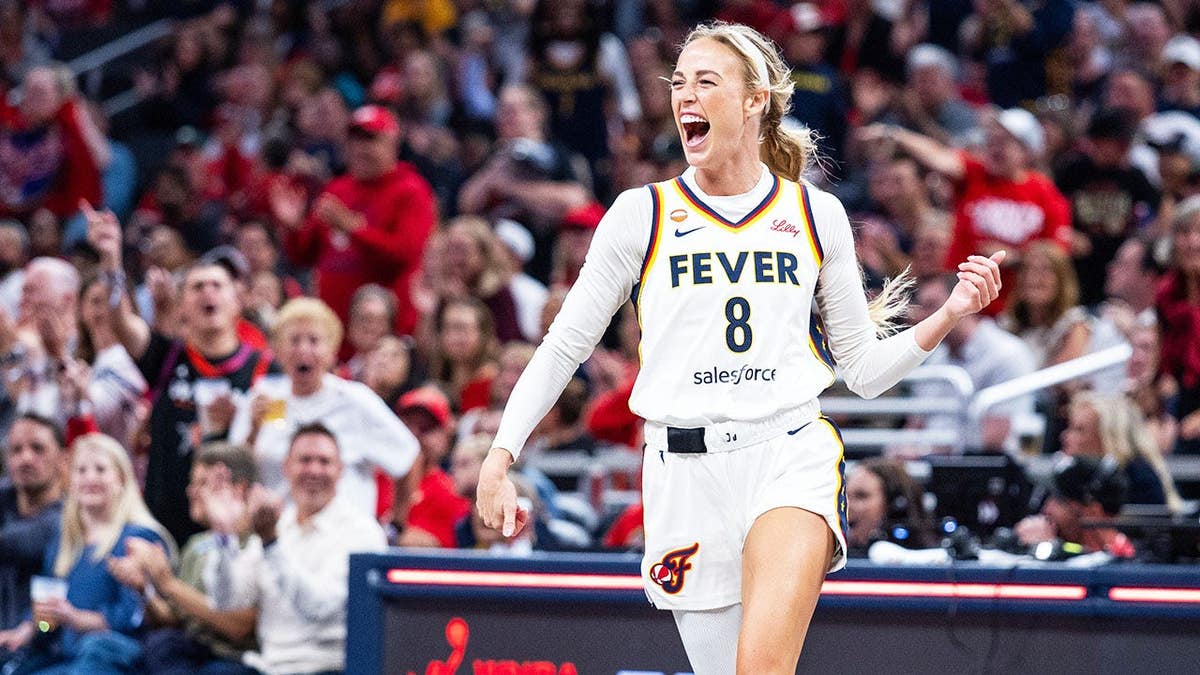
The WNBA recently faced scrutiny as its officials attempted to define what the ‘W’ in WNBA stands for. This move followed statements by Sophie Cunningham, a player for the Indiana Fever, who advocated for the protection of women’s sports. Concurrently, former NBA players declared their intent to join the WNBA Draft, further fueling the controversy.
Commissioner Cathy Engelbert and the league have yet to reach a conclusion, attributing this to external negativity. Instead, more meetings have been planned. Critics believe these actions hinder the WNBA’s progress.
The league has gained popularity in recent years due to players like Caitlin Clark. Her exceptional performance increased interest, resulting in better player salaries and travel perks. Yet, Clark’s presence is not entirely welcome among fans of rival teams and within parts of the league.
The WNBA’s internal conflicts have resurfaced, with the latest focus on Sophie Cunningham. Critics, including players and fans, have targeted Cunningham for her stance against biological men participating in women’s sports. Protests and criticisms have been directed at her, including t-shirts worn by opposing coaches.
Controversy further deepened with reported incidents during games, such as when DiJonai Carrington of the Chicago Sky fouled Cunningham. Allegedly, Carrington’s foul led to physical injury for Cunningham, adding to the tensions.
One of the surprising developments involved Cunningham’s name being banned from the WNBA subreddit. Moderators reported filtering content mentioning her due to concerns over attracting non-fans, leading to dissatisfaction among certain subreddit users.
Moderators faced backlash, highlighting issues with limiting discussions about active players in a subreddit dedicated to the WNBA. Some fans expressed frustration, seeing this as symptomatic of broader league disconnects. Critics argue these actions alienate new fans and undermine the league’s potential growth.
Comments from public figures, such as Riley Gaines, suggest the WNBA prioritizes activism over basketball. This perception challenges the league’s efforts to embrace support brought by players like Cunningham and Clark. Critics argue the WNBA’s approach risks eroding emerging support and harming its future prospects.
Leave a Reply