The initial 60-day negotiating period outlined in the U.S.-Iran memorandum of understanding (MOU) has concluded. This marks a new challenge for maintaining the agreement, which halted military actions between the two nations and set a framework for a comprehensive deal.
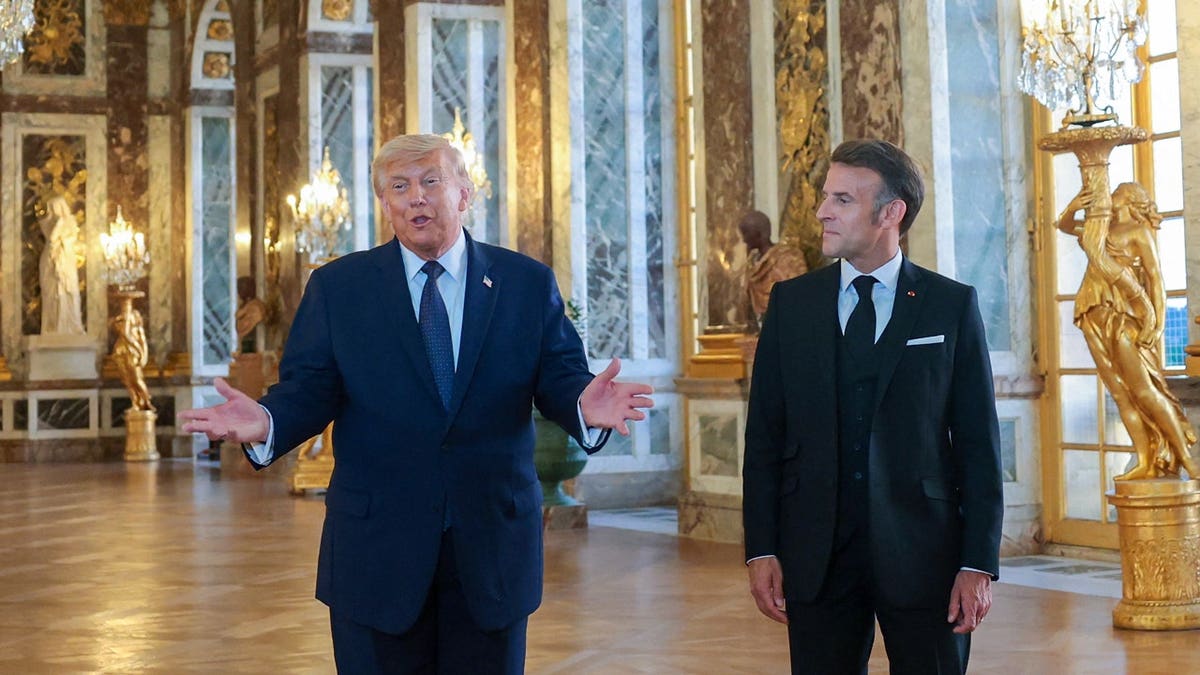
President Donald Trump signed the MOU at the Palace of Versailles on June 17 during the G7 summit. It gave Washington and Tehran up to 60 days, extendable with mutual consent, to negotiate a final agreement discussing sanctions, Iran’s nuclear program, and other outstanding issues.
In a conversation with chief foreign correspondent Trey Yingst, Trump asserted that Iran should yield. He indicated there was no new timeframe for Tehran, stating, “I have no time schedule. I’m not in a hurry.” Trump also warned Oman against obstructing negotiations, threatening severe military consequences.
The significance of Monday’s deadline is heightened by renewed hostilities. In July, tensions escalated when Iran attacked ships in the Strait of Hormuz, leading to U.S. airstrikes and retaliatory actions by Iran in the Gulf.
Trump declared Friday, “After we finish defeating Iran, I’ll be declaring the Hormuz Strait a territory of the United States.”
The MOU commits both the U.S. and Iran, along with their allies, to halt military operations on all fronts and respect sovereign nations’ territorial integrity. This includes agreeing to not interfere in each other’s domestic affairs. Both parties aim to seal a final deal within the original 60 days, extendable by mutual agreement.
Upon the MOU’s signing, the U.S. agreed to lift the naval blockade against Iran in 30 days, and Iran committed to securing commercial vessels’ peaceful passage through regional waters. Future plans for reconstructing Iran and economic development worth at least USD 300 billion are outlined.
Sanctions removal forms a crucial part of the negotiations, with the U.S. pledging to terminate various sanctions against Iran as part of the final agreement. Additionally, Iran reaffirms it will not develop nuclear weapons. Further discussions about Iran’s nuclear program, under supervision by the IAEA, are expected.
Pending the final agreement, both nations will maintain the current status quo. The U.S. will not impose new sanctions, and Iran will keep its nuclear program unchanged.
The MOU facilitates oil exports from Iran and the release of restricted funds to benefit designated entities. A monitoring mechanism ensures compliance with the MOU and eventual final bargain. The comprehensive final agreement will be ratified by a binding UNSC resolution.
Leave a Reply